
32 These are the clans of the sons of Noah, according to their genealogies, in their nations, and from these the nations spread abroad on the earth after the flood.
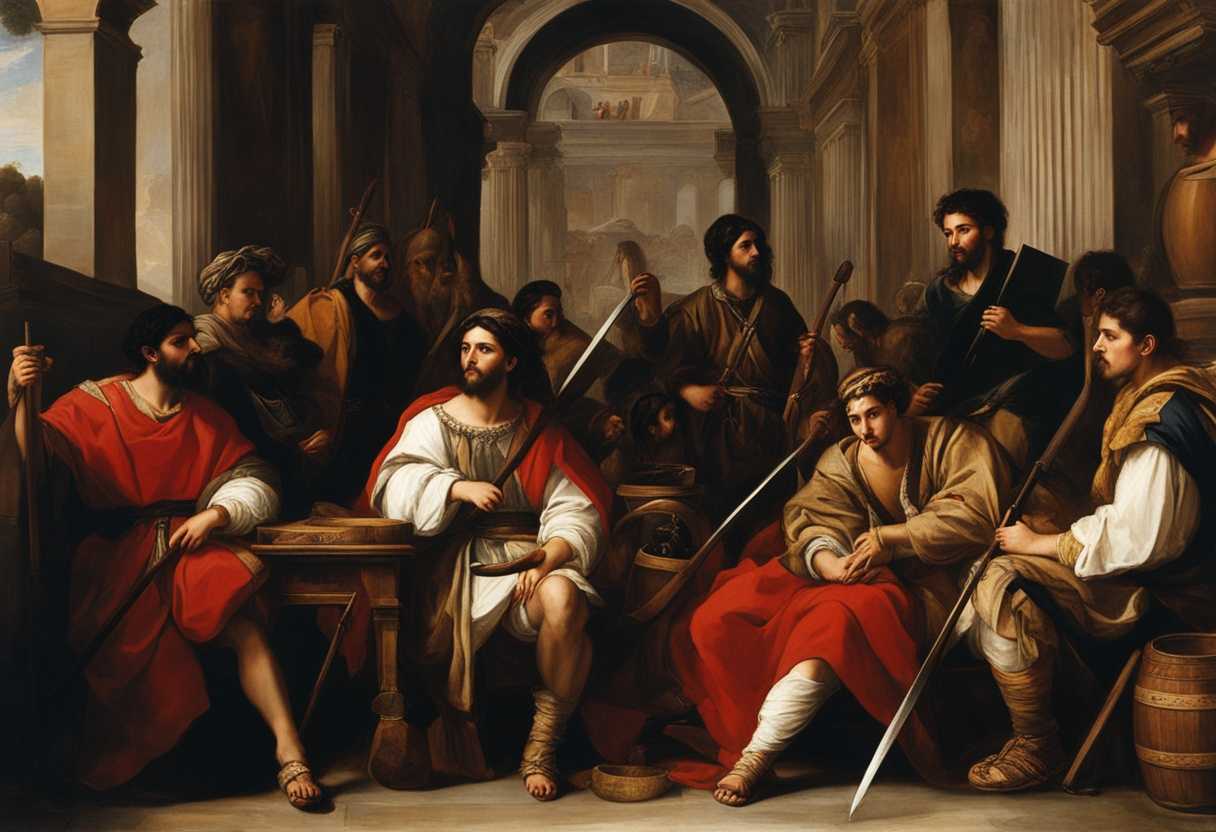
Setting the Scene for Genesis 10:32
In Genesis chapter 10, we find a detailed account of the descendants of Noah’s sons after the great flood. The scene is set in the ancient land of Mesopotamia, known for its fertile lands between the Tigris and Euphrates rivers. As the camera pans over the vast landscape, we see a diverse group of people gathered together in a bustling marketplace.
Among the crowd are descendants of Japheth, Ham, and Shem, each with their distinct features and languages. They have come together in this cosmopolitan hub to trade goods, share stories, and learn about each other’s cultures. The descendants of Japheth are known for their seafaring skills, while the descendants of Ham are skilled in agriculture and craftsmanship. The descendants of Shem, who are known for their reverence for God, are also present, sharing their knowledge and wisdom with others.
As the sun sets over the horizon, casting a warm glow over the scene, we see a sense of unity and diversity among the people. Despite their differences, they coexist peacefully, each contributing to the rich tapestry of human civilization. This moment captures the essence of Genesis 10:32, where it is mentioned that “These are the families of the sons of Noah, according to their genealogies, in their nations; and from these the nations were divided on the earth after the flood.”
What is Genesis 10:32 about?
The world’s nations and people became diversified after the great flood, as seen in Genesis 10:32. This verse highlights how different languages and territories were assigned to different groups of people. It marks a pivotal moment in history where the unity of humanity was fragmented into diverse nations, each with its own unique culture, language, and land.
Think about how this division of nations impacted the course of history. How did it shape the way societies developed and interacted with one another? This verse reminds us of the rich tapestry of diversity that exists among human beings, each with their own identity and heritage. It also serves as a reminder of the importance of understanding and respecting different languages, cultures, and boundaries. Let us reflect on Genesis 10:32 and appreciate the beauty of diversity while recognizing the interconnectedness of all nations. How can we learn from this verse to promote harmony and unity in our own communities, despite our differences? Let’s strive to celebrate our individual uniqueness while fostering a sense of global interconnectedness and understanding.
Understanding what Genesis 10:32 really means
We will delve into Genesis 10:32 by structuring our commentary thoughtfully to unearth its profound meanings and contemporary relevance.
Structure of Commentary:
1. Contextual Overview
2. Detailed Phrase Analysis
3. Related Scriptural References
4. Contemporary Relevance
5. Anecdotal Illustration
6. Encouragement for Reflection
1. Contextual Overview:
Genesis 10:32 serves as a summation of the genealogical account often referred to as the “Table of Nations,” which traces the descendants of Noah’s sons — Shem, Ham, and Japheth. This passage emphasizes the dispersion of peoples and the formation of nations following the flood, presenting a view of humanity’s shared origin and diverse development.
2. Detailed Phrase Analysis:
The verse highlights phrases like “these are the clans of Noah’s sons” and “from these the nations spread out.” These phrases signify not only the biological lineage but also the cultural and geographical dispersion of humanity. The term “clans” suggests a familial and tribal framework, emphasizing community and belonging. “The nations spread out” speaks to the movement, growth, and proliferation of human societies across the earth.
3. Related Scriptural References:
Connecting this verse to other scriptures enriches our understanding. For instance, Acts 17:26 reiterates the unity of humankind: “From one man he made all the nations, that they should inhabit the whole earth.” Similarly, the mention of diverse nations resonates with the vision in Revelation 7:9, where people from every nation and language stand together before God, highlighting the ultimate unity in diversity.
4. Contemporary Relevance:
Today, this verse reminds us of our shared humanity amidst cultural and ethnic diversity. Recognizing our common origin can foster a sense of unity and mutual respect in a world often divided by differences. How do we view and treat those who appear different from us, knowing we all descend from the same family?
**5. People of diverse backgrounds come together for a common cause in an anecdote from a community outreach program. A local church’s food bank initiative, for example, often sees volunteers from various cultures working side by side. This unity in service reflects the mutual human journey depicted in Genesis 10:32, illustrating how our differences can harmoniously contribute to a greater good.
6. Encouragement for Reflection:
Reflecting on Genesis 10:32, we are prompted to consider our role in bridging gaps and fostering community. Can we, as individuals and congregations, actively seek to understand and embrace our neighbors, celebrating both our shared humanity and our unique cultures? We ground ourselves in biblical wisdom while addressing modern societal challenges by appreciating these nuances. This passage, though ancient, offers a timely reminder of unity and diversity’s blessings.
What is the meaning of my cultural heritage?
Your cultural heritage holds the significance of your roots, lineage, and traditions, which have been passed down through generations. Just as Genesis 10:32 acknowledges the dispersion of people into different lands and the origins of various nations, your cultural heritage embodies the diverse experiences, beliefs, and practices that shape your identity. It reflects the stories of your ancestors, the values they held dear, and the customs they followed, providing you with a sense of belonging and connection to your heritage. You can delve into the rich tapestry of your background by exploring and embracing your cultural heritage, understanding where you come from and the legacy that has been entrusted to you. By honoring and preserving your cultural heritage, you not only pay tribute to those who came before you but also contribute to the continuation of traditions that have withstood the test of time. It is a reminder of the resilience, wisdom, and creativity of your people, serving as a source of inspiration and pride as you navigate your own journey in the world.
Application
Think of our world like a busy office filled with diverse talents or a family dinner where each dish brings a unique flavor. God crafted this variety, and it’s up to us to understand and celebrate it. Walk over to that coworker with a different background or chat with someone new at a community event. Show love and respect as if they were family. How will you bridge that gap and connect with someone different today?

Reverend Michael Johnson is an experienced Church Minister with a profound expertise in spirituality and guidance. With a serene presence and a compassionate heart, he has faithfully served his congregation for over 20 years, leading them on a spiritual journey towards inner peace and enlightenment. Reverend Johnson’s extensive knowledge of religious philosophies and profound understanding of human nature have made him a trusted confidant and mentor to many, as he seamlessly weaves his profound wisdom into life teachings. Reverend Johnson’s calming demeanor and empathetic nature continue to uplift and heal souls, nurturing a sense of unity and tranquility within his community.