
26 Then God said, “Let us make man in our image, after our likeness. And let them have dominion over the fish of the sea and over the birds of the heavens and over the livestock and over all the earth and over every creeping thing that creeps on the earth.”
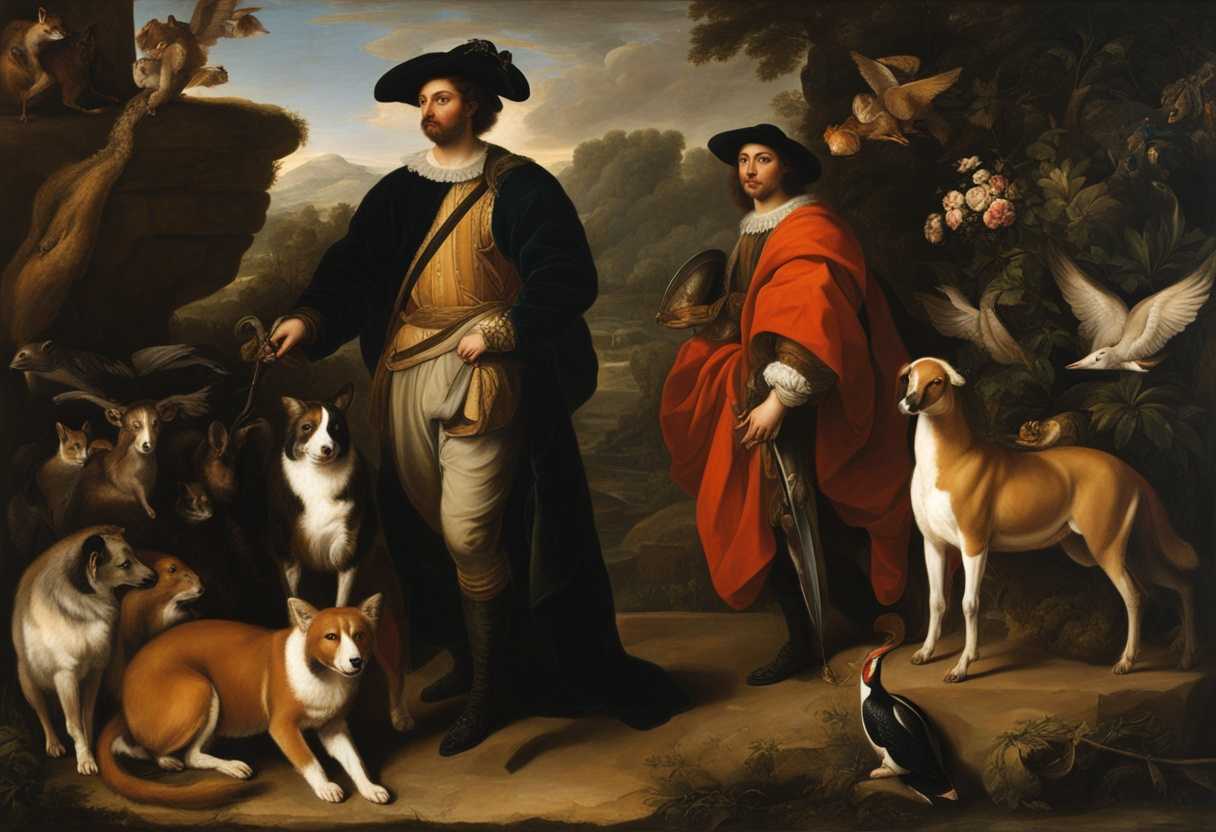
Setting the Scene for Genesis 1:26
In Genesis chapter 1, we find ourselves at the beginning of creation, where God is in the process of forming the world. The scene is set in a vast expanse of emptiness and darkness, with the Spirit of God hovering over the waters. The atmosphere is charged with anticipation and divine energy as God prepares to bring forth life and order out of chaos.
In this pivotal moment, God speaks, “Let us make mankind in our image, in our likeness.” The “us” here refers to the Trinity – God the Father, God the Son, and God the Holy Spirit. It is a profound moment of collaboration and intentionality as the divine beings come together to create humanity. The stage is set for the crowning glory of God’s creation, as He prepares to fashion Adam and Eve in His own image, endowing them with dignity, purpose, and the capacity for relationship with Him.
As the scene unfolds, we witness the intricate craftsmanship of God as He forms humanity from the dust of the ground and breathes life into their nostrils. The setting is one of divine artistry and love, as God bestows His image upon humanity, setting them apart as the pinnacle of His creation. The stage is now set for the unfolding drama of human history, as Adam and Eve step onto the world stage as stewards of God’s creation, called to walk in fellowship with their Creator.
What is Genesis 1:26 about?
This verse from the Bible, specifically from Genesis 1:27, emphasizes the belief that humans are created in the image of God. This significant concept teaches us that each individual carries a divine spark within them, reflecting certain attributes of God such as compassion, creativity, intelligence, and the capacity for love. We realize that every person is inherently valuable and worthy of respect, regardless of their background, beliefs, or actions by acknowledging this truth.
Furthermore, the idea of humans being given dominion over the earth suggests a responsibility to care for and steward the planet. This task involves not only utilizing the earth’s resources for our benefit but also ensuring its preservation and sustainability for future generations. Through this verse, we are reminded of our role as caretakers of the environment, tasked with protecting and nurturing the natural world that God has entrusted us with. Reflecting on these profound teachings can inspire us to live with purpose, mindful of our divine heritage and the importance of our role in the world.
Understanding what Genesis 1:26 really means
Certainly! Let’s delve into a structured commentary to understand Genesis 1:26.
1. Introduction
Genesis 1:26 is a pivotal verse in the Bible, introducing the concept of humanity being made in the image of God. This verse lays the groundwork for understanding human nature, purpose, and relationship with the Creator. Let’s break down its significant phrases, view it through the lens of complementary Scriptures, and reflect on its relevance today.
**2. This phrase suggests a divine council, highlighting the communal aspect of God’s nature. The words “image” and “likeness” indicate that humans reflect certain attributes of God, such as rationality, morality, and the ability to form relationships. This makes us unique in creation.
- “And let them have dominion”
Dominion implies stewardship rather than exploitation. Humans are entrusted by God to care for all creation responsibly. This stewardship is about maintaining balance and ensuring that all life flourishes.
3. Complementary Scriptures
-
Psalm 8:4-6: This passage emphasizes human dignity and the honor bestowed by God, reiterating the idea of dominion and stewardship over creation.
-
2 Corinthians 3:18: This verse discusses transformation into God’s image, reinforcing that being made in God’s image involves a dynamic process of becoming more like Him in character and actions.
-
Ephesians 4:24: Paul calls believers to “put on the new self, created to be like God in true righteousness and holiness,” indicating that our likeness to God involves moral and spiritual dimensions.
4. Relevance Today
Understanding that we are made in God’s image can profoundly influence our self-worth and how we treat others. This truth calls us to see each person as inherently valuable in a world often fraught with divisions and devaluation of human life. Recognizing our role as stewards can also inspire more sustainable and compassionate interactions with our environment.
5. Anecdote
Imagine a family planting a garden. They are not just owners but caretakers, nurturing each plant to grow and bear fruit. They tend to the garden with care, ensuring it thrives and contributes to the ecosystem. Similarly, seeing ourselves as stewards of God’s creation can transform our approach to life, encouraging us to nurture and protect our world.
6. Reflection
Think about the implications of being made in the “image of God.” How does this shape your understanding of yourself and others? What changes might it inspire in your daily interactions and responsibilities toward the environment?
7. Conclusion
Genesis 1:26 is not just a theological assertion; it’s a call to live out our divine image in meaningful, responsible ways. Embracing this truth can profoundly affect our perspectives and actions, urging us to reflect God’s character in all aspects of life. Let’s ponder how we can better reflect God’s image in our stewardship of the earth and in our relationships with others as we close. We honor the Creator and fulfill our purpose with intentionality and grace by doing so.
What does it mean to be made in God’s image?
Being made in God’s image means that humans are created with qualities and attributes that reflect aspects of God’s own nature. This includes characteristics such as creativity, intelligence, morality, and the capacity for relationships. Humans have inherent value and dignity, separate from any accomplishments or abilities they may have, because they are made in God’s image. This idea also implies a special connection between humans and God, as they are made to be in relationship with Him.
Furthermore, being made in God’s image carries a sense of responsibility and purpose. Just as God is a creator, humans are designed to cultivate and care for the world around them. This includes stewardship of the earth and all living creatures. Additionally, by reflecting the image of God, humans are called to live in a way that honors and glorifies Him, treating others with respect and love. Being made in God’s image signifies a unique status among all of creation and a call to reflect His character in all aspects of life.
Application
Imagine if every face you see at work or home reflected a brilliant light, a reminder of their inherent worth. Genesis 1:26 tells us we’re all made in God’s image. This notion isn’t just ancient text; it’s a call to action today. Treat every person with the respect and kindness they deserve. Will you honor that light in everyone you meet?

Reverend Michael Johnson is an experienced Church Minister with a profound expertise in spirituality and guidance. With a serene presence and a compassionate heart, he has faithfully served his congregation for over 20 years, leading them on a spiritual journey towards inner peace and enlightenment. Reverend Johnson’s extensive knowledge of religious philosophies and profound understanding of human nature have made him a trusted confidant and mentor to many, as he seamlessly weaves his profound wisdom into life teachings. Reverend Johnson’s calming demeanor and empathetic nature continue to uplift and heal souls, nurturing a sense of unity and tranquility within his community.