
8 And the Lord God planted a garden in Eden, in the east, and there he put the man whom he had formed.
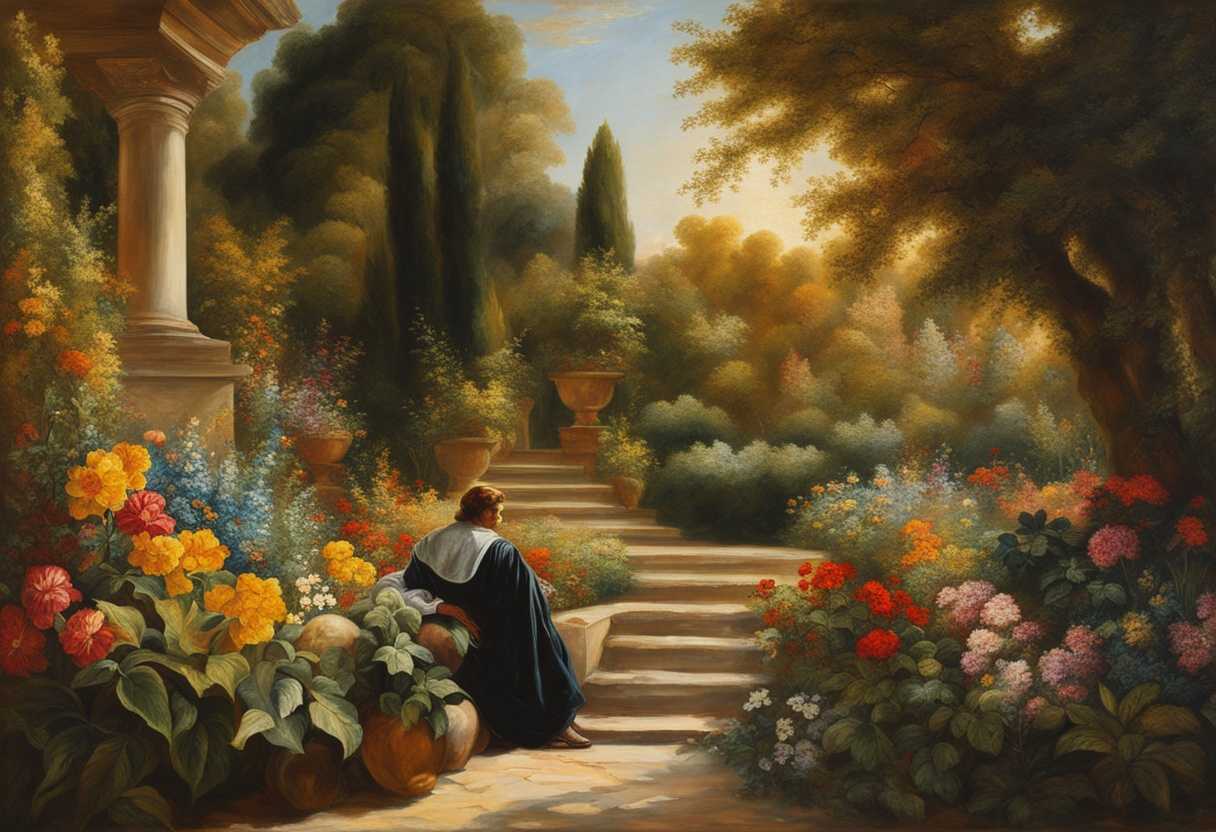
Setting the Scene for Genesis 2:8
In Genesis chapter 2, we find ourselves in the Garden of Eden, a lush and bountiful paradise created by God. The scene is set with Adam, the first man created by God, wandering through the garden, marveling at the beauty of the plants and animals around him. He is in awe of the perfection of this place that God has provided for him.
As Adam explores the garden, he comes across the Tree of Life and the Tree of the Knowledge of Good and Evil. God had placed these trees in the midst of the garden as a test of obedience for Adam and his future companion, Eve. The atmosphere is peaceful and serene, with the sound of birds chirping and the gentle rustling of leaves in the wind.
As Adam continues to explore, he eventually encounters God Himself, who walks in the garden in the cool of the day. This intimate moment between God and His creation sets the stage for the close relationship that God desires to have with humanity. The Garden of Eden serves as a perfect setting for this initial interaction between God and man, highlighting the beauty and harmony of God’s original design for the world.
What is Genesis 2:8 about?
The beginning of the story of creation in the Bible is seen in this verse. God creates a beautiful garden in Eden and places Adam, the first human, in it. This act symbolizes God’s intention for humans to live in harmony with nature and with each other. God shows care and provision for humanity by planting a garden and creating a space for Adam to dwell in.
Imagine the beauty and peace of the garden of Eden, a perfect setting created by God for Adam. It signifies a place of abundance, beauty, and harmony. Through this verse, we can also reflect on our own relationship with nature and how we are called to be good stewards of the earth that God has entrusted to us. Just as God provided for Adam in the garden, we are reminded of God’s continuous provision and care for us in our own lives. Let’s ponder on the significance of living in harmony with God’s creation as we read this verse and strive to cultivate a similar sense of peace and beauty in our own lives and interactions with the world around us.
Understanding what Genesis 2:8 really means
Structure for Commentary:
- Introduction to the Verse
- Breakdown and Explanation of Key Phrases
- Cross-References to Other Bible Passages
- Relevance to Contemporary Life
- Personal Anecdote
- Conclusion and Reflection Questions
Introduction to the Verse
Genesis 2:8 dives into the moment when God, having meticulously crafted the heavens and the earth, gives humanity a physical and symbolic space: the Garden of Eden. This verse sets the stage for a significant chapter in the human experience—a sanctuary meticulously designed by God for His creation.
Breakdown and Explanation of Key Phrases
“Planted a garden” implies intention and care. It wasn’t a random act; it was a deliberate placement. The garden symbolizes a place of abundance and divine providence. “Eastward in Eden” introduces Eden not merely as a garden but a larger region, suggesting that this paradise has boundaries, purpose, and direction—essential for understanding the concept of divine order. Finally, “put the man” signifies God’s ongoing role in guiding humanity, positioning Adam intentionally rather than randomly.
Cross-References to Other Bible Passages
This setting harks back to the serenity described in Revelation 21:1-4, linking the beginning and the end of God’s plan for humanity—the initial Eden to the New Jerusalem. Additionally, Jeremiah 29:11’s promise of a future and a hope echoes God’s intentionality in placing Adam in a nurturing environment, emphasizing divine care for mankind’s welfare and spiritual journey.
Relevance to Contemporary Life
How often do we consider our own “gardens”? Are the places we inhabit spaces of divine purpose? This verse underscores the importance of creating environments that foster growth, not just physically but spiritually and emotionally. Seeking or cultivating our “garden” can be a grounding exercise in a world filled with chaos and uncertainty.
Personal Anecdote
I recall visiting a friend who meticulously tended his garden, reflecting the care he took with his spiritual life. Each plant seemed to represent a scripture or a prayer, carefully nurtured and given attention. His garden was not just a collection of flora, but an expression of his faith and trust in God’s divine plan. It taught me that our environments can reflect our spiritual state and that tending to our lives carefully is as important as nurturing a garden. Genesis 2:8 is a powerful reminder of God’s care in providing a nurturing environment for humanity, urging us to consider the spaces we create and inhabit. Are we cultivating our “gardens” to reflect divine intent and purpose? How can we make our homes, workplaces, and communities more akin to Eden, nourishing our spirits and those of others?
This structure ensures that each segment builds upon the previous one, offering readers a deeper understanding of the verse while making relevant connections to their own lives.
What is the significance of spiritual growth in Eden?
Spiritual growth in Eden is significant because it portrays a place where humanity can be in harmony with God and experience closeness to Him. It is in this paradise that individuals have the opportunity to cultivate a deeper relationship with the divine and seek enlightenment. The setting of Eden symbolizes a state of purity and innocence, where one can pursue spiritual growth without the distractions and temptations of the outside world.
The mention of Eden in Genesis 2:8 signifies a sacred space where humans can draw closer to God and develop their spiritual selves. It highlights the importance of connecting with the divine and nurturing one’s faith to achieve a sense of fulfillment and purpose. Individuals in Eden can grow spiritually by following God’s guidance and walking in His ways, ultimately deepening their understanding of themselves and their place in the world.
Application
Think about your family and your job – we all juggle these responsibilities daily. Just like you care for your loved ones and work hard at your job, God asks us to take care of our world. Step up and act to safeguard our environment. What can you do today to protect and nurture this planet for future generations? How will you show your gratitude to God through your actions now?

Reverend Michael Johnson is an experienced Church Minister with a profound expertise in spirituality and guidance. With a serene presence and a compassionate heart, he has faithfully served his congregation for over 20 years, leading them on a spiritual journey towards inner peace and enlightenment. Reverend Johnson’s extensive knowledge of religious philosophies and profound understanding of human nature have made him a trusted confidant and mentor to many, as he seamlessly weaves his profound wisdom into life teachings. Reverend Johnson’s calming demeanor and empathetic nature continue to uplift and heal souls, nurturing a sense of unity and tranquility within his community.