
1 The oracle that Habakkuk the prophet saw.
2 O Lord, how long shall I cry for help,
and you will not hear?
Or cry to you “Violence!”
and you will not save?
3 Why do you make me see iniquity,
and why do you idly look at wrong?
Destruction and violence are before me;
strife and contention arise.
4 So the law is paralyzed, and justice never goes forth. For the wicked surround the righteous; so justice goes forth perverted.
5 “Look among the nations, and see; wonder and be astounded. For I am doing a work in your days that you would not believe if told.”
6 For behold, I am raising up the Chaldeans, that bitter and hasty nation, who march through the breadth of the earth, to seize dwellings not their own.
7 They are dreaded and fearsome;
their justice and dignity go forth from themselves.
8 Their horses are swifter than leopards, more fierce than the evening wolves; their horsemen press proudly on. Their horsemen come from afar; they fly like an eagle swift to devour.
9 They all come for violence,
all their faces forward.
10 At kings they scoff, and at rulers they laugh. They laugh at every fortress, for they pile up earth and take it.
11 Then they sweep by like the wind and go on, guilty men, whose own might is their god!
12 Are you not from everlasting,
O Lord my God, my Holy One?
We shall not die.
13 You who are of purer eyes than to see evil
and cannot look at wrong,
why do you idly look at traitors
and remain silent when the wicked swallows up
the man more righteous than he?
14 You make mankind like the fish of the sea, like crawling things that have no ruler.
15 He brings all of them up with a hook; he drags them out with his net; he gathers them in his dragnet; so he rejoices and is glad.
16 Therefore he sacrifices to his net
and makes offerings to his dragnet;
for by them he lives in luxury,
and his food is rich.
17 Is he then to keep on emptying his net
and mercilessly killing nations forever?
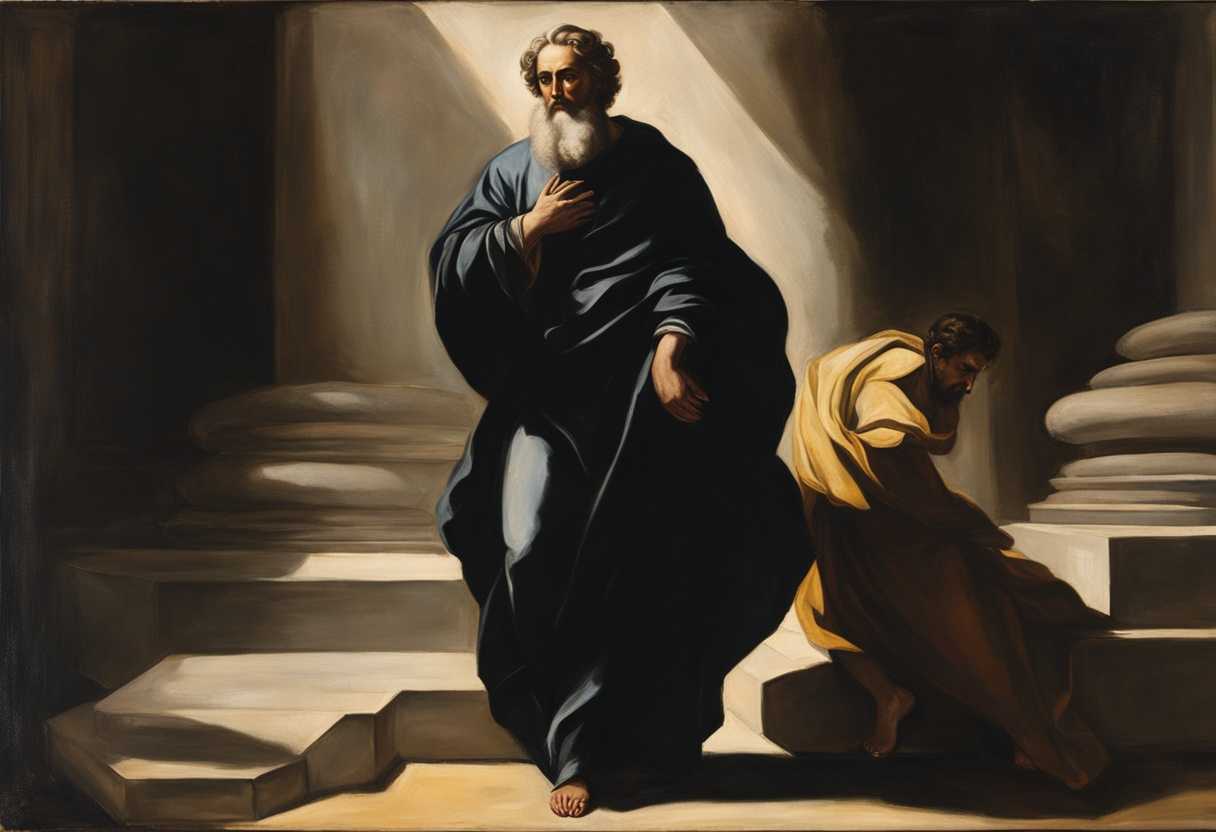
The True Meaning of Habakkuk 1
The book of Habakkuk was written by the prophet Habakkuk, who lived during the reign of King Jehoiakim of Judah, around 600 BC. Habakkuk was a man of faith who grappled with the apparent injustice and violence he witnessed in his society. He raises questions to God about the ongoing oppression and wickedness that seemed to go unchecked in this chapter.
Habakkuk’s dialogue with God reveals the prophet’s struggle to reconcile his faith with the harsh realities of his time. He expresses his frustration at the prevalence of violence, injustice, and the apparent triumph of the wicked. God’s response, however, challenges Habakkuk to trust in the divine plan, even when it is not immediately apparent. The chapter sets the stage for Habakkuk’s journey of faith, as he learns to walk by trust rather than by sight. As we delve into this chapter, we will witness Habakkuk’s bold questioning of God, the divine response, and the call to have faith in the midst of uncertainty. This passage resonates with the timeless human struggle to understand the ways of God and find meaning in the face of adversity. Approach this text with open hearts, ready to be challenged and encouraged in our own walk of faith.
Habakkuk 1:1-4
The prophet Habakkuk cries out to God in Habakkuk 1:1-4, lamenting the violence, iniquity, and destruction he sees around him. This passage opens with Habakkuk’s intense plea to the Lord, expressing his distress at the state of his nation. He questions why God allows such injustice and violence to persist unchecked. Habakkuk’s emotional reaction is a common theme throughout the Bible, where we often see prophets and believers grappling with the presence of evil in the world.
Habakkuk’s cry for help reflects the deep concern he has for his people and the moral decay he witnesses. Like many prophets, he is burdened by the sins of the nation and seeks answers from God regarding the suffering and chaos surrounding him. This is a poignant reminder that even those with great faith can struggle with doubts and questions in the face of adversity. As we delve deeper into these verses, Habakkuk acknowledges God’s holiness and eternal nature. Despite his questions and concerns, Habakkuk recognizes that God is righteous and unwavering. This acknowledgment serves as a foundation for Habakkuk’s dialogue with God, highlighting a key aspect of faith: the ability to trust in God’s character even in the midst of confusion and uncertainty.
Habakkuk’s cry for justice and his questioning of God’s apparent silence resonate with believers through the ages. People naturally seek understanding and reassurance from God in times of trouble and chaos. The prophet’s willingness to engage with God honestly and passionately underscores the importance of open and sincere communication in our relationship with the divine.
The timeless message in these verses encourages believers to bring their doubts, fears, and struggles before God. Just as Habakkuk did, we can pour out our hearts to the Lord, trusting that He hears our cries and will respond according to His perfect will. This passage serves as a powerful reminder that our faith does not require us to suppress our questions and uncertainties but invites us to bring them to the One who holds all the answers.
Habakkuk 1:5-11
Habakkuk and God have a conversation in Habakkuk 1:5-11. The passage begins with God speaking and revealing His plan to Habakkuk. God declares that He is raising up the Babylonians, a ruthless and impetuous people, to carry out His judgment on the wicked nation of Judah. This revelation shocks Habakkuk because he cannot understand how a nation more wicked than Judah could be used by God for such a purpose.
This section of the verse underscores the concept of God’s sovereignty and His ability to use even the unrighteous to accomplish His will and bring about justice. It shows us that God’s ways are not always easy to comprehend from a human perspective, but He ultimately works for the good of those who love Him (Romans 8:28). This message resonates throughout the Bible, reminding us of God’s overarching power and control over all things.
The mention of the Babylonians here is significant in biblical history. The Babylonians were a powerful empire that rose to prominence under the leadership of King Nebuchadnezzar. They were known for their cruelty and destruction, particularly towards Judah and Jerusalem. The Babylonian conquest of Judah and the subsequent exile of the Israelites were pivotal events in biblical history, fulfilling prophecies of judgment against God’s people for their disobedience. Despite their wickedness, God used the Babylonians as a tool for His divine purposes.
Habakkuk’s dialogue with God reflects a common theme throughout the Bible – the wrestling with the ways of God and seeking to understand His purposes in the midst of difficult circumstances. Habakkuk’s struggle with God’s plan serves as a reminder that it is okay to bring our questions and doubts before the Lord. It shows us the importance of honest communication with God and seeking His understanding in times of confusion or disillusionment. This passage in Habakkuk serves as a profound reflection on the complexities of God’s justice and the importance of trusting in His sovereignty, even when we do not fully understand His ways. It challenges us to have faith in God’s overarching plan, even in the face of hardship and uncertainty. The story of Habakkuk and the Babylonian conquests remind us of the consequences of sin, the reality of divine judgment, and the ultimate faithfulness of God in fulfilling His word.
Habakkuk 1:12-17
The prophet Habakkuk questions God about the apparent silence in the face of evil and injustice in Habakkuk 1:12-17. Let’s break down this passage into important sections for a detailed analysis.
-
**”Are you not from everlasting, O Lord my God, my Holy One? We shall not die. Habakkuk acknowledges God’s eternal nature and holiness in this opening statement. Despite the circumstances of the world around him, Habakkuk finds his hope and security in the steadfast character of God. This verse highlights the unwavering faith Habakkuk has in God’s existence and goodness, even as he struggles to understand the events unfolding before him.
-
“O Lord, you have ordained them as a judgment, and you, O Rock, have established them for reproof.”
Habakkuk reflects on the difficult situation facing his people and attributes it to God’s judgment and rebuke. This acknowledgment showcases Habakkuk’s recognition of God’s sovereignty over all things, including the rise and fall of nations. It serves as a reminder that God’s ways are higher than our ways, and He may allow challenges and difficulties to bring about a greater purpose or lesson. -
“You who are of purer eyes than to see evil and cannot look at wrong, why do you idly look at traitors and remain silent when the wicked swallows up the man more righteous than he?”
This section reveals Habakkuk’s struggle with the presence of evil and injustice in the world. He questions how God, who is holy and just, can remain silent in the face of such atrocities. Habakkuk’s inquiry reflects the universal human struggle with understanding why God allows suffering and injustice to exist. It is a cry for God to intervene and bring justice to a world filled with wrongdoing. -
**”You make mankind like the fish of the sea, like crawling things that have no ruler. Habakkuk in this verse compares humanity to fish and crawling creatures that are seemingly without direction or leadership. This analogy underscores the vulnerable state of mankind without God’s guidance and protection. It emphasizes the importance of acknowledging God as the ultimate authority and source of wisdom in navigating the complexities of life.
-
“He brings all of them up with a hook; he drags them out with his net; he gathers them in his dragnet; so he rejoices and is glad.”
Habakkuk concludes this passage by describing God’s sovereignty and power over nations and rulers. This imagery of God capturing nations like fish highlights His ability to control the affairs of the world and bring about His purposes. It serves as a reminder that God is actively involved in the events of history, shaping and directing them according to His will. Habakkuk 1:12-17 captures the prophet’s wrestling with God over the presence of evil and injustice in the world. It showcases his deep faith in God’s character while expressing his honest questions and concerns about the state of affairs. This passage challenges readers to grapple with the complexities of God’s sovereignty and the existence of evil, ultimately pointing towards the need for trust in God’s wisdom and ultimate justice. The timeless message conveyed here reminds believers to seek understanding and clarity in their relationship with God, even in the midst of difficult circumstances.
After Habakkuk 1
The prophet Habakkuk had voiced his concerns to God about the injustice and violence he saw in the land. God responded, revealing that He would use the Babylonians to punish Judah. This news troubled Habakkuk, who questioned how a righteous God could use such a wicked nation as His instrument of judgment. Habakkuk recognized the need to wait patiently for God’s timing and to trust in the Lord’s ultimate plan, even when it was difficult to understand, as he wrestled with these weighty matters. The prophet’s journey of faith would continue in the next chapter, as he sought to align his heart and mind with the sovereign will of the Almighty.

Reverend Michael Johnson is an experienced Church Minister with a profound expertise in spirituality and guidance. With a serene presence and a compassionate heart, he has faithfully served his congregation for over 20 years, leading them on a spiritual journey towards inner peace and enlightenment. Reverend Johnson’s extensive knowledge of religious philosophies and profound understanding of human nature have made him a trusted confidant and mentor to many, as he seamlessly weaves his profound wisdom into life teachings. Reverend Johnson’s calming demeanor and empathetic nature continue to uplift and heal souls, nurturing a sense of unity and tranquility within his community.