
Hebrews 12:18-24 is about the contrast between the old covenant given at Mount Sinai, characterized by fear and separation, and the new covenant through Jesus Christ, which offers access to God through grace and reconciliation.
18 For you have not come to what may be touched, a blazing fire and darkness and gloom and a tempest.
19 and the sound of a trumpet and a voice whose words made the hearers beg that no further messages be spoken to them.
20 For they could not endure the order that was given, “If even a beast touches the mountain, it shall be stoned.”
21 Indeed, so terrifying was the sight that Moses said, “I tremble with fear.”
22 But you have come to Mount Zion and to the city of the living God, the heavenly Jerusalem, and to innumerable angels in festal gathering,
23 and to the assembly of the firstborn who are enrolled in heaven, and to God, the judge of all, and to the spirits of the righteous made perfect,
24 and to Jesus, the mediator of a new covenant, and to the sprinkled blood that speaks a better word than the blood of Abel.
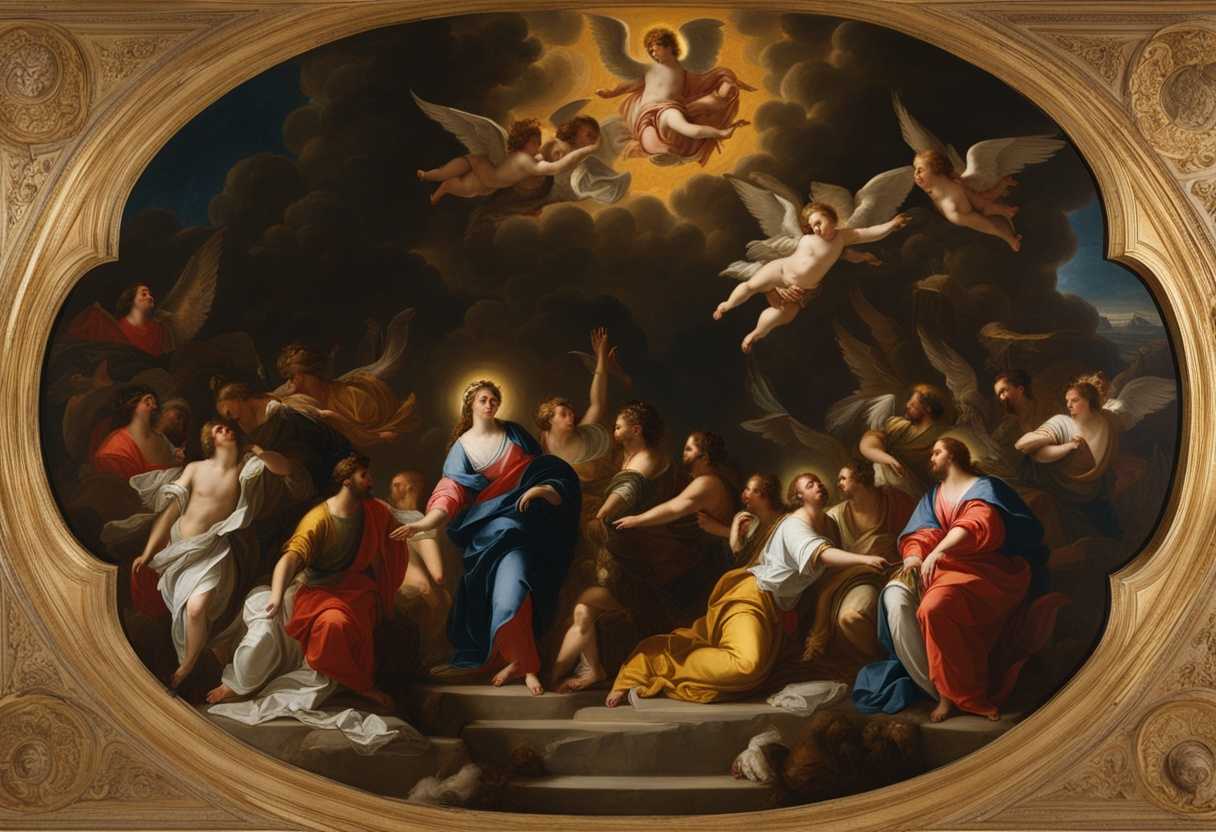
Setting the Scene for Hebrews 12:18-24
In Hebrews chapter 12, the author paints a vivid picture of a powerful scene to emphasize the greatness of the new covenant in Christ. The scene is set on Mount Zion, the heavenly Jerusalem, where an innumerable company of angels has gathered for a divine assembly. The atmosphere is charged with awe and reverence as the angels stand in the presence of God, the Judge of all, and the spirits of the righteous made perfect.
Among those present are the patriarchs and prophets of the Old Testament, such as Abraham, Moses, and Elijah, who have been brought into this heavenly assembly through their faith and obedience to God. They are joined by the believers of the new covenant, including the apostles and early Christians, who have also been made righteous through their faith in Jesus Christ. The scene is one of unity and continuity, as the faithful of all ages come together in worship and praise before the throne of God.
The surroundings are majestic and awe-inspiring, with Mount Zion symbolizing the eternal kingdom of God and the heavenly Jerusalem representing the ultimate destination of all believers. The scene serves as a powerful reminder of the superiority of the new covenant over the old, as the believers of today are invited to approach God with confidence and boldness, knowing that they are part of a glorious and unshakeable kingdom that cannot be moved.
What is Hebrews 12:18-24 about?
Imagine standing at the foot of Mount Sinai, with its quaking earth, billowing smoke, and booming thunder. It was a sight of fear and trembling, where even Moses said he was trembling with fear. Now, think about the peace and access we have through Christ under the new covenant. The author of Hebrews uses vivid imagery to contrast the terror of the old covenant with the joy and tranquility of the new covenant. It’s like moving from a place of strict rules and punishment to a place of grace and redemption. The author in these verses wants us to grasp the incredible privilege we have in Christ. We are no longer kept at a distance, like the Israelites were at Mount Sinai, but we have been brought near to God through the blood of Jesus. We can approach God with confidence, knowing that we are forgiven and accepted because of Christ’s sacrifice. The imagery of Mount Zion, the heavenly Jerusalem, and the company of angels and saints highlights the beauty and holiness of our new covenant relationship with God. It is a relationship built on love, grace, and fellowship, rather than fear and separation.
Understanding what Hebrews 12:18-24 really means
In Hebrews 12:18-24, the author paints a vivid contrast between Mount Sinai and Mount Zion, highlighting the shift from the Old Covenant to the New Covenant. Mount Sinai, known for the giving of the Law in the Old Testament, symbolizes fear and trembling in the presence of a holy God. In contrast, Mount Zion represents the grace and divine presence of the New Covenant, pointing towards the heavenly Jerusalem as a place of eternal communion with God.
Mount Sinai, as depicted in Exodus 19-20, was a mountain shrouded in smoke and fire, where God’s presence was so intense that the people trembled with fear. The giving of the Law on Sinai emphasized the holiness and righteousness of God, setting a standard that highlighted human sinfulness and inability to meet God’s perfect requirements. This imagery of fear and separation stands in stark contrast to the welcoming and spiritual nature of Mount Zion, which symbolizes the grace and mercy of God under the New Covenant.
The key phrases in Hebrews 12:18-24 further illuminate this contrast. The mention of “thousands upon thousands of angels in joyful assembly” paints a picture of divine celebration and community, reflecting the joy and fellowship that believers experience under the New Covenant. The reference to the “church of the firstborn, whose names are written in heaven” underscores the assurance and hope that come from being part of God’s chosen people, with the promise of eternal life and communion with Him.
Moreover, the passage speaks of God as “the judge of all” and the “spirits of the righteous made perfect,” highlighting the role of Christ in sanctifying believers and bringing them into a state of ultimate redemption. Jesus, as the mediator of the New Covenant, offers His sacrificial blood as a better word than the blood of Abel, signifying forgiveness and reconciliation instead of judgment and condemnation.
For modern believers, Hebrews 12:18-24 offers a message of hope and assurance. It reminds us that under the New Covenant, we are no longer bound by fear and trembling but are welcomed into a community of grace and joy. This passage encourages us to embrace the fellowship and divine presence available to us through Christ, finding peace and assurance in His sacrificial love.
In reflecting on these themes, we may recall moments of fear and uncertainty in our own lives, only to find peace and assurance through faith in Christ. Just as the Israelites trembled at Mount Sinai, we too may have experienced moments of doubt and anxiety, but through the New Covenant, we can find comfort in the grace and love of God, moving from fear to joy and from judgment to grace.
As we ponder the profound truths of Hebrews 12:18-24, let us embrace the grace and community offered through the New Covenant. May we find solace in the assurance of our names being written in heaven and rejoice in the fellowship of believers. Let us pray for the strength to live out our faith with confidence, knowing that we are part of God’s redeemed community, destined for eternal communion with Him.
How can we approach God with reverence and awe?
Approaching God with reverence and awe involves recognizing His power and holiness. The author in Hebrews 12:18-24 paints a vivid picture of the scene when the Israelites approached God at Mount Sinai. The description includes thunder, darkness, a consuming fire, and a voice that shook the earth. This imagery is meant to convey the awe-inspiring nature of God’s presence and the gravity of approaching Him.
When we approach God with reverence and awe, we acknowledge His greatness and sovereignty. It is a posture of humility and respect, recognizing that we are coming before the Creator of the universe. This reverence leads us to worship God with sincerity and devotion, understanding that He is worthy of our adoration and praise. We position ourselves to experience God’s presence more deeply and to grow in intimacy with Him by approaching Him in this way.
Application
Step into the breathtaking scene of Hebrews 12:18-24, where Mount Zion and the heavenly Jerusalem await you. Picture the divine presence of angels and the assembly of the firstborn. Feel the intensity of this vision urging you towards a life of purity and respect as you honor the God of unyielding light. Will you embrace this celestial calling and strive to mirror God’s kingdom’s brilliance in your daily existence?

Reverend Michael Johnson is an experienced Church Minister with a profound expertise in spirituality and guidance. With a serene presence and a compassionate heart, he has faithfully served his congregation for over 20 years, leading them on a spiritual journey towards inner peace and enlightenment. Reverend Johnson’s extensive knowledge of religious philosophies and profound understanding of human nature have made him a trusted confidant and mentor to many, as he seamlessly weaves his profound wisdom into life teachings. Reverend Johnson’s calming demeanor and empathetic nature continue to uplift and heal souls, nurturing a sense of unity and tranquility within his community.