
Hosea 1:1-2 is about God instructing the prophet Hosea to marry a promiscuous woman as a symbol of Israel’s unfaithfulness and idolatry towards God.
1 The word of the Lord that came to Hosea, the son of Beeri, in the days of Uzziah, Jotham, Ahaz, and Hezekiah, kings of Judah, and in the days of Jeroboam the son of Joash, king of Israel.
2 When the Lord first spoke through Hosea, the Lord said to Hosea, “Go, take to yourself a wife of whoredom and have children of whoredom, for the land commits great whoredom by forsaking the Lord.”
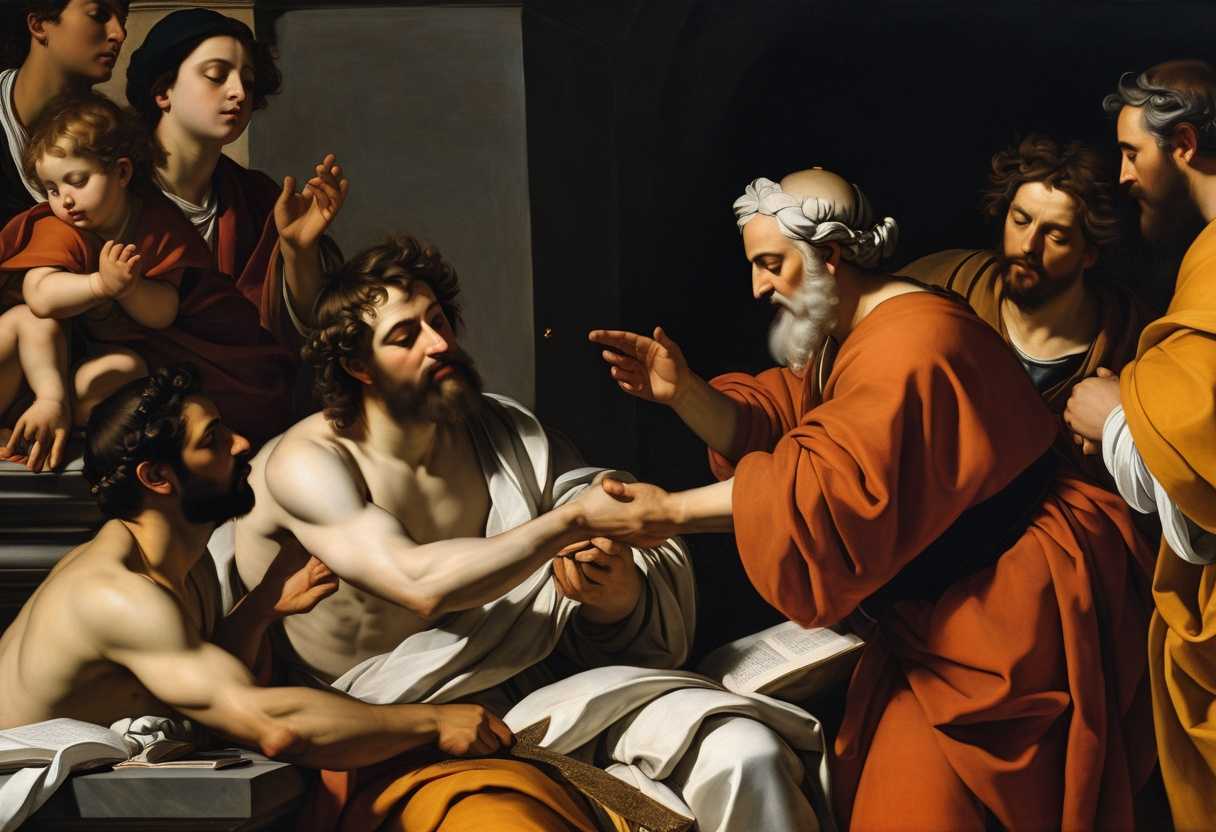
Setting the Scene for Hosea 1:1-2
The scene in Hosea 1:1-2 takes place in the ancient kingdom of Israel during a time of great political and spiritual turmoil. Hosea, a prophet of God, is called to deliver a message to the people of Israel. The setting is a bustling marketplace in the capital city, where merchants are selling their goods and people are going about their daily activities.
Hosea, a devout man of God, is standing in the midst of the crowd, his voice ringing out above the noise of the marketplace as he proclaims the word of the Lord. His message is one of warning and judgment, as he calls the people to repentance and warns of the consequences of their disobedience.
The people of Israel, represented by a diverse group of individuals in the marketplace, are a mix of curiosity, skepticism, and defiance as they listen to Hosea’s words. Some are moved to tears, recognizing the truth in his message, while others scoff and turn away, unwilling to heed the prophet’s warning. The scene is tense and charged with emotion, as Hosea delivers his message with passion and conviction, knowing the gravity of the task that has been entrusted to him by God.
What is Hosea 1:1-2 about?
Hosea 1:1-2 sets the stage for a powerful metaphorical message from God through the prophet Hosea. God is using this unconventional and challenging situation to symbolically represent the unfaithfulness of Israel towards Him by commanding Hosea to marry a prostitute named Gomer. Israel’s actions have turned away from their covenant with God, just as Gomer’s actions betray the commitment of a marital relationship.
Through this unique and dramatic illustration, God is revealing the depth of Israel’s unfaithfulness and the consequences of their actions. He is highlighting the pain and betrayal that come from straying from a loving and committed relationship. This passage ultimately serves as a call to repentance and a reminder of the importance of staying faithful to God’s commands and promises. It prompts us to reflect on our own relationship with God and consider where we may need to realign our hearts and actions towards Him. How does this metaphor of marriage with a prostitute bring to light the nature of our own relationship with God? How can we learn from Israel’s example and strive to be more faithful and committed in our walk with God?
Understanding what Hosea 1:1-2 really means
The Book of Hosea, penned by one of the twelve minor prophets in the Old Testament, unfolds against the backdrop of a turbulent era in Israel’s history. This period was characterized by political upheaval and a pervasive spiritual waywardness that plagued the nation. Hosea’s own life and marriage were not merely personal experiences but were divinely orchestrated to serve as a living allegory of God’s enduring relationship with Israel. The prophet’s marriage to a promiscuous woman was not a mere anecdote but a profound symbol of Israel’s unfaithfulness to God, manifested through idolatry and moral decay.
In the opening verses of Hosea, we witness the powerful impact of the word of the Lord on the prophet’s life. The divine command for Hosea to marry a woman of questionable reputation was a shocking directive, designed to mirror Israel’s spiritual adultery. Through this unconventional marriage, God vividly portrayed the depth of Israel’s transgressions and the consequences of their unfaithfulness. The phrase “The word of the Lord that came to Hosea” underscores the divine origin and authority of the message, emphasizing the gravity of the situation.
The imagery of an adulterous wife in Hosea’s narrative is not confined to his personal life but extends to the collective guilt of the land of Israel. The parallel drawn between Hosea’s marital struggles and Israel’s spiritual infidelity serves as a poignant reminder of the interconnectedness of personal actions and national consequences. This linkage between Hosea’s domestic tribulations and Israel’s moral failings highlights the profound impact of individual choices on the broader community and the nation as a whole.
The thematic resonance of spiritual unfaithfulness reverberates throughout the prophetic literature of the Old Testament. Passages from Jeremiah and Ezekiel echo Hosea’s message, portraying Israel as a faithless spouse who forsakes her covenant with God. These parallel accounts reinforce the urgent call for repentance and reconciliation, underscoring the timeless nature of God’s plea for fidelity and devotion from His people. The enduring relevance of these texts transcends historical contexts, speaking directly to the universal human experience of waywardness and the need for divine forgiveness.
The narrative of Hosea and Gomer serves as a poignant allegory of God’s relentless love and mercy towards His wayward people. It challenges contemporary readers to introspect and identify areas of unfaithfulness in their own lives, prompting a reevaluation of their relationship with God. The enduring image of a forgiving partner or a steadfast parent mirrors God’s unwavering commitment to His children, inviting us to reflect on the depth of His love and our response to it. Hosea’s message resonates across centuries, urging us to heed the call to repentance, embrace God’s grace, and renew our commitment to a faithful walk with Him.
How can we find hope in times of betrayal?
Understanding the deeper meaning of the verse can help us find hope in times of betrayal. This verse illustrates how even in the face of betrayal, there is an opportunity for redemption and reconciliation. It conveys the message that betrayal and hardship can ultimately lead to growth and a stronger connection with faith. We can find hope in the idea that our struggles and trials are not without purpose by reflecting on the message within this verse. Betrayal may be painful and difficult to endure, but it can also pave the way for forgiveness, healing, and transformation. This verse can ultimately serve as a reminder that even in the darkest times, there is hope for restoration and renewal.
Application
In the fast-paced world of deadlines and duties, let’s take a moment to connect with the one who always stays by our side, no matter what. Let’s be inspired by God’s unending loyalty, even when we falter in our own responsibilities. It’s time to realign our priorities with His purpose, ready to embrace forgiveness and start anew. Will you embrace His urging to come back to Him today?

Reverend Michael Johnson is an experienced Church Minister with a profound expertise in spirituality and guidance. With a serene presence and a compassionate heart, he has faithfully served his congregation for over 20 years, leading them on a spiritual journey towards inner peace and enlightenment. Reverend Johnson’s extensive knowledge of religious philosophies and profound understanding of human nature have made him a trusted confidant and mentor to many, as he seamlessly weaves his profound wisdom into life teachings. Reverend Johnson’s calming demeanor and empathetic nature continue to uplift and heal souls, nurturing a sense of unity and tranquility within his community.