
Isaiah 1:21-23 is about how the once faithful city of Jerusalem has become corrupt and filled with injustice, symbolized by the image of a promiscuous woman, which angers God and leads to the promise of purification and restoration through judgement.
21 How the faithful city has become a whore, she who was full of justice! Righteousness lodged in her, but now murderers.
22 Your silver has become dross,
your best wine mixed with water.
23 Your princes are rebels and companions of thieves. Everyone loves a bribe and runs after gifts. They do not bring justice to the fatherless, and the widow’s cause does not come to them.
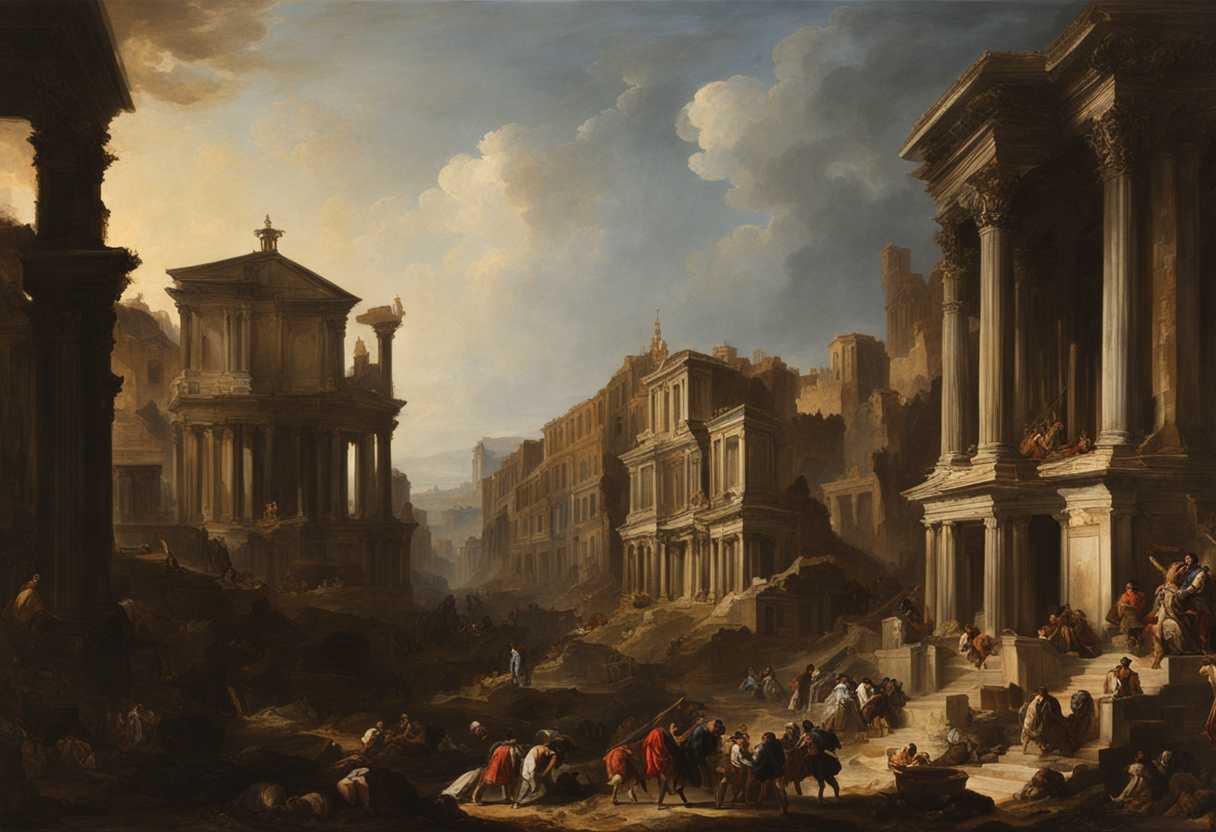
Setting the Scene for Isaiah 1:21-23
The scene in Isaiah 1:21-23 depicts a vivid and poignant image of a once righteous city, Jerusalem, now corrupted and filled with injustice. The prophet Isaiah paints a picture of a city that was once faithful and full of justice, likened to a faithful wife, but has now turned to wickedness and become like a prostitute. The leaders of the city, once known for their righteousness, have now become rebels and companions of thieves, accepting bribes and neglecting the cause of the fatherless and widows.
In this scene, we see the city of Jerusalem bustling with activity, but the atmosphere is tainted with corruption and injustice. The leaders, who were meant to uphold justice and righteousness, are now complicit in wrongdoing, turning a blind eye to the plight of the vulnerable in society. The once beautiful and righteous city is now marred by sin and rebellion against God’s commands. The surroundings are filled with the hustle and bustle of daily life, but there is an underlying sense of decay and moral decline that permeates the city.
The people in this scene have come to be in this state of moral decay through a gradual turning away from God’s laws and a pursuit of selfish desires. The leaders, in particular, have succumbed to greed and corruption, forsaking their duty to administer justice and care for the marginalized in society. As a result, the city that was once a beacon of righteousness has now become a symbol of moral degradation and rebellion against God.
What is Isaiah 1:21-23 about?
God expresses deep sorrow and disappointment over Israel’s unfaithfulness in this verse. God is highlighting the gravity of their betrayal by comparing Israel to a prostitute who abandons her lover. Just like a prostitute seeks relationships for personal gain without true love or commitment, Israel has turned away from God despite all the love and blessings He has showered upon them. This comparison emphasizes the hurt and betrayal that God feels from Israel’s actions. We must ponder the depth of God’s love and the pain caused by unfaithfulness as we reflect on this verse. Israel’s unfaithfulness breaks God’s heart just as a loving partner feels when betrayed. This verse serves as a poignant reminder of the importance of faithfulness and loyalty in our relationship with God. It challenges us to examine our own actions and ensure that we remain steadfast in our faith and commitment to God, resisting temptations that may lead us astray.
Understanding what Isaiah 1:21-23 really means
Isaiah 1:21-23, nestled within the opening chapter of the Book of Isaiah, paints a poignant picture of lament over the moral and spiritual decay of Judah and Jerusalem. The prophet Isaiah vividly portrays a city that was once faithful and just, now likened to a harlot, symbolizing unfaithfulness and moral corruption. The stark contrast between the city’s past righteousness and its current state of violence and injustice is strikingly evident in the phrase, “She was full of justice; righteousness lodged in her, but now murderers.” This transformation from a beacon of justice to a haven for wrongdoers serves as a stark warning against the dangers of moral decline.
The imagery of valuable silver turning to dross and pure wine being diluted with water vividly captures the degradation of integrity and worth within the city. The indictment of the leadership as rebels and companions of thieves underscores the pervasive corruption that has seeped into the highest echelons of power. The prevalence of bribery and the pursuit of personal gain at the expense of justice further highlight the moral decay that has taken root in the city. Moreover, the neglect of the fatherless and widows, the most vulnerable members of society, serves as a poignant reminder of the consequences of turning a blind eye to those in need.
Drawing parallels to contemporary society, the themes of justice, integrity, and care for the vulnerable remain as relevant today as they were in ancient times. The call to reflect on our communities and leadership resonates strongly in a world grappling with similar issues of corruption, injustice, and neglect of the marginalized. Isaiah’s words challenge us to strive for a society where justice and righteousness are upheld, and where the needs of the most vulnerable are not only acknowledged but prioritized.
Consider a modern-day scenario where a once close-knit community undergoes a transformation due to shifting values and priorities. As leaders prioritize personal gain over communal well-being, the fabric of society begins to unravel, leading to increased crime and a breakdown of trust. In this context, the role of a pastor advocating for a return to core values of justice and compassion becomes pivotal. Through individual introspection and collective action, communities can embark on a journey towards restoration and renewal, echoing the transformative message of Isaiah 1:21-23.
In conclusion, Isaiah 1:21-23 stands as a poignant reminder of the perils of moral decline and the enduring importance of justice, integrity, and compassion. It beckons us to examine our own lives and communities, to champion the cause of the vulnerable, and to strive for a society where righteousness prevails. By heeding this call to action, we can aspire to restore integrity and righteousness in our midst, echoing the prophetic vision of a faithful city reclaiming its former glory.
How can we maintain justice and righteousness in society?
Maintaining justice and righteousness in society is crucial for fostering a harmonious and equitable community. This involves upholding moral principles, treating others fairly, and ensuring accountability for wrongdoing. To achieve this, individuals must strive to act with integrity and compassion, working towards the betterment of society as a whole. We can address societal issues and prevent the oppression of the vulnerable by promoting justice and righteousness. This includes standing up against corruption, advocating for the marginalized, and actively working towards a more just society. Upholding these values not only benefits individuals but also contributes to the overall well-being and progress of the community.
Through practicing justice and righteousness in our daily lives and interactions, we can contribute to a more inclusive, compassionate, and fair society. It is essential to hold ourselves and others accountable for our actions, prioritize the well-being of others, and work towards a more just and equitable world for all individuals.
Application
Let’s cleanse our hearts of injustice and wrongdoing, aligning our actions with righteousness and justice just as the verse in Isaiah 1:21-23 urges. It’s time to step up and make amends for any wrongs in our lives. Will you dare to make a change today, walking in the path of what’s right and just, in line with God’s will?

Reverend Michael Johnson is an experienced Church Minister with a profound expertise in spirituality and guidance. With a serene presence and a compassionate heart, he has faithfully served his congregation for over 20 years, leading them on a spiritual journey towards inner peace and enlightenment. Reverend Johnson’s extensive knowledge of religious philosophies and profound understanding of human nature have made him a trusted confidant and mentor to many, as he seamlessly weaves his profound wisdom into life teachings. Reverend Johnson’s calming demeanor and empathetic nature continue to uplift and heal souls, nurturing a sense of unity and tranquility within his community.