
Isaiah 28:24-29 is about the wisdom and discernment of God displayed in the way he teaches the farmers and instructs them in the proper methods of farming, using specific examples like plowing, threshing, and sowing as metaphors for divine guidance and understanding.
24 Does he not work by measure? Does he not plow in sowing time and harrow the land?
25 When he has leveled its surface,
does he not scatter dill, sow cumin,
and put in wheat in rows
and barley in its proper place,
and emmer as the border?
26 For he dill his God instructs him and teaches him.
27 Dill is not threshed with a threshing sledge, nor is a cart wheel rolled over cumin, but dill is beaten out with a stick, and cumin with a rod.
28 When one prepares a fine flour, will he not sift it with a sieve before mixing it with oil?
29 This also comes from the Lord of hosts; he is wonderful in counsel and excellent in wisdom.
Setting the Scene for Isaiah 28:24-29
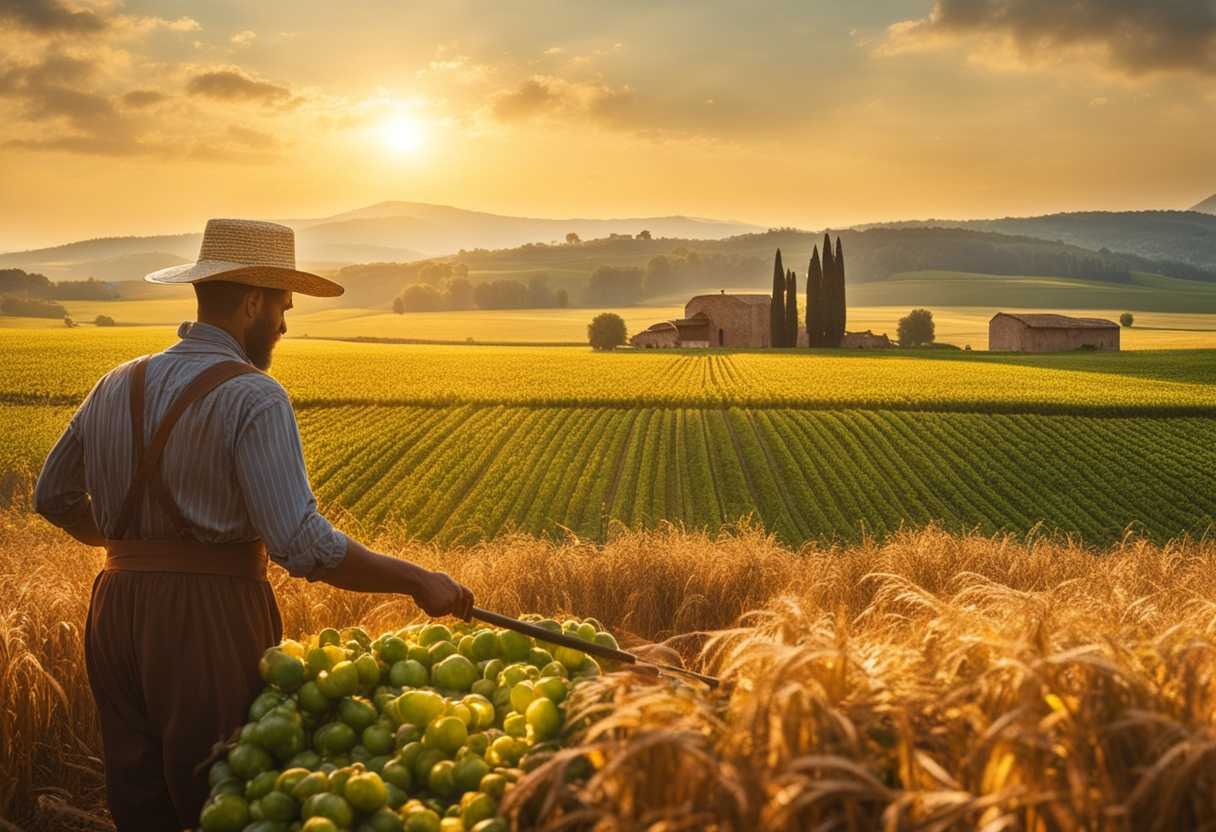
In Isaiah chapter 28, we find a scene set in an ancient vineyard in the kingdom of Judah. The prophet Isaiah is addressing the people of Judah, using the imagery of a farmer tending to his crops to convey a message from God. The vineyard is lush and well-tended, with rows of grapevines stretching out as far as the eye can see. The sun is shining brightly overhead, casting a warm glow over the scene.
Among those gathered in the vineyard are the leaders of Judah, including King Ahaz and his advisors. They have come to hear Isaiah’s words and seek guidance from the prophet. The farmers and laborers who work the land are also present, listening intently as Isaiah speaks. The atmosphere is tense, as Isaiah delivers a stern warning about the consequences of the people’s disobedience to God’s laws.
As Isaiah continues to speak, he uses the analogy of a farmer carefully tending to his crops to illustrate God’s patience and care for His people. He emphasizes the importance of diligence and wisdom in carrying out God’s will, drawing parallels between the work of a farmer and the spiritual responsibilities of the people of Judah. The scene is filled with a sense of urgency and conviction, as Isaiah urges the people to heed his words and turn back to God before it is too late.
What is Isaiah 28:24-29 about?
This verse highlights God’s intricate wisdom and guidance in the field of agriculture. Just like a teacher imparts knowledge and skills to their students, God teaches farmers how to sow seeds, thresh crops, and harvest with expertise and precision. It emphasizes the idea that the wisdom and understanding in farming come from God, who bestows this knowledge upon farmers to ensure bountiful harvests and sustenance for all.
Have you ever marveled at the complexity and beauty of the natural world, particularly in the realm of agriculture? This verse reminds us that there is a divine order and intelligence behind the growth and cultivation of crops. It serves as a reminder that God is not only present in the spiritual realm but also in every aspect of our physical world, guiding and teaching us through the processes of farming and cultivating the land. So, next time you see a field of ripe crops or witness the diligent work of a farmer, take a moment to appreciate God’s wisdom and guidance that is intricately woven into the fabric of agriculture.
Understanding what Isaiah 28:24-29 really means
In the book of Isaiah, specifically in chapter 28 verses 24-29, we find a passage rich with agricultural metaphors that convey profound spiritual truths. The prophet Isaiah uses the imagery of a plowman and the process of sowing to illustrate deeper principles about life and faith. Just as a farmer does not plow endlessly but follows a cyclical pattern of work, there are seasons in our lives and spiritual journeys. Ecclesiastes 3:1-2 reminds us that there is a time for everything, emphasizing the importance of recognizing and embracing the different seasons we go through.
Furthermore, the analogy of preparing the land before planting seeds speaks volumes about the significance of readiness in both physical and spiritual realms. Just as a farmer levels the surface before sowing, we are called to prepare our hearts to receive the seeds of truth and wisdom. This concept resonates with the Parable of the Sower in Matthew 13:3-9, highlighting the necessity of being good soil that is receptive to God’s teachings.
The verse “For He instructs him in right judgment, his God teaches him” underscores the vital role of divine guidance in our lives. Seeking wisdom from God, as encouraged in James 1:5, is essential for making sound decisions and navigating the complexities of life. Just as bread flour needs to be ground but not threshed endlessly, there is a process of refinement and growth that we undergo, leading to a more fruitful and righteous life. Hebrews 12:11 speaks to this discipline that ultimately yields peace and righteousness.
These timeless principles of preparation, patience, and seeking divine guidance are as relevant today as they were in ancient times. We can all benefit from reflecting on the wisdom embedded in these agricultural metaphors and applying them to our modern lives. Consider a personal anecdote or a well-known story that exemplifies the importance of these principles, showing how they can lead to success and fulfillment in various situations.
As we ponder phrases like “Does the plowman keep plowing all day to sow?” and “He instructs him in right judgment, his God teaches him,” let us internalize the lessons they hold. Recognize the importance of balance, the value of seeking divine wisdom, and the growth that comes through challenges and refinement. May we all strive to cultivate a heart that is receptive to God’s teachings and guidance, leading us to a life of purpose and righteousness.
How can we cultivate patience and wisdom in life?
To cultivate patience and wisdom in life, we can reflect on the verse that talks about the different ways farmers work the land and how they patiently wait for the right time to sow and harvest. This reminds us to trust in the process of life and have faith that things will come to fruition in their own time. We allow room for growth and development by embracing patience, just like a farmer nurtures plants until they are ready to bloom.
Additionally, by reflecting on the wisdom shared in this verse, we can learn the importance of having a deeper understanding of our actions and decisions. We can apply wisdom to our own lives by making thoughtful choices and considering the long-term consequences, just as a farmer uses knowledge and skill to tend to the land effectively. This verse encourages us to approach life with a sense of mindfulness and insight, leading to greater clarity and understanding in all that we do. We can cultivate a more balanced and harmonious existence by embodying the virtues of patience and wisdom highlighted in this verse. We can navigate challenges with grace and poise by trusting in the natural flow of life and making informed decisions. Through patience and wisdom, we can sow seeds of positivity and reap the rewards of a fulfilling and purposeful life.
Application
Just as a farmer diligently tends to his crops, let us nurture our spiritual lives with care and dedication. Sow seeds of kindness and love in your actions and thoughts, and watch as they blossom into abundant blessings in due time. Take the time today to cultivate your faith, just as a farmer tends to his fields, and reap a harvest of peace and fulfillment in the future. How will you sow the seeds of your faith today for a bountiful harvest tomorrow?

Reverend Michael Johnson is an experienced Church Minister with a profound expertise in spirituality and guidance. With a serene presence and a compassionate heart, he has faithfully served his congregation for over 20 years, leading them on a spiritual journey towards inner peace and enlightenment. Reverend Johnson’s extensive knowledge of religious philosophies and profound understanding of human nature have made him a trusted confidant and mentor to many, as he seamlessly weaves his profound wisdom into life teachings. Reverend Johnson’s calming demeanor and empathetic nature continue to uplift and heal souls, nurturing a sense of unity and tranquility within his community.