
1 Thus says the Lord: “Where is your mother’s certificate of divorce, with which I sent her away? Or which of my creditors is it to whom I have sold you? Behold, for your iniquities you were sold, and for your transgressions your mother was sent away.
2 Why, when I came, was there no man;
why, when I called, was there no one to answer?
Is my hand shortened, that it cannot redeem?
Or have I no power to deliver?
Behold, by my rebuke I dry up the sea,
I make the rivers a desert;
their fish stink for lack of water
and die of thirst.
3 I clothe the heavens with blackness
and make sackcloth their covering.”
4 The Lord God has given me the tongue of those who are taught, that I may know how to sustain with a word him who is weary. Morning by morning he awakens; he awakens my ear to hear as those who are taught.
5 The Lord God has opened my ear,
and I was not rebellious;
I turned not backward.
6 I gave my back to those who strike, and my cheeks to those who pull out the beard; I hid not my face from disgrace and spitting.
7 But the Lord God helps me; therefore I have not been disgraced; therefore I have set my face like a flint, and I know that I shall not be put to shame.
8 He who vindicates me is near. Who will contend with me? Let us stand up together. Who is my adversary? Let him come near to me.
9 Behold, the Lord God helps me;
who will declare me guilty?
Behold, all of them will wear out like a garment;
the moth will eat them up.
10 Who among you fears the Lord
and obeys the voice of his servant?
Let him who walks in darkness
and has no light
trust in the name of the Lord
and rely on his God.
11 Behold, all you who kindle a fire,
who equip yourselves with burning torches!
Walk by the light of your fire,
and by the torches that you have kindled!
This you have from my hand:
you shall lie down in torment.
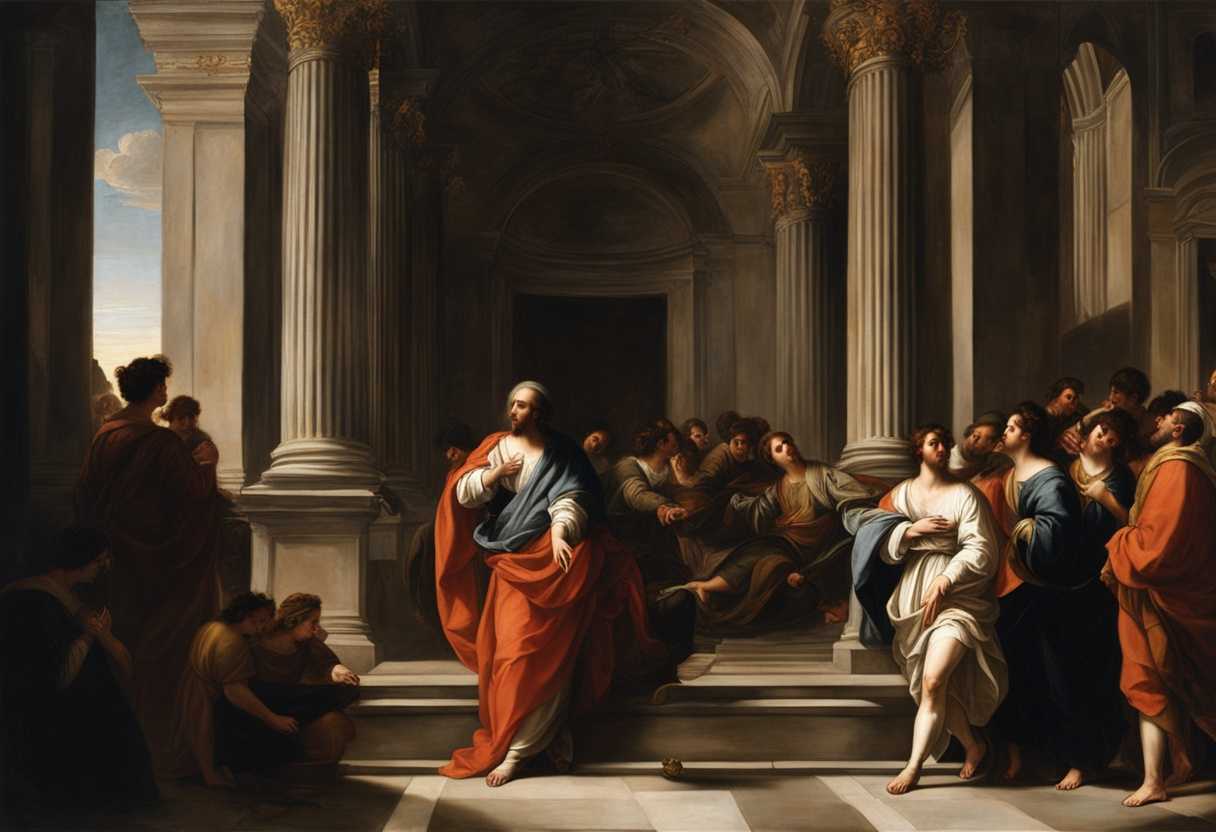
The True Meaning of Isaiah 50
The book of Isaiah was written by the prophet Isaiah, who lived during the reigns of several Judean kings in the 8th century BCE. Isaiah was known for his powerful messages of judgment and hope, as he spoke on behalf of God to the people of Judah and Jerusalem. Isaiah continues his role as a messenger in this chapter, delivering a powerful message from God to the people. He speaks of the people’s disobedience and the consequences they will face, but also offers hope and the promise of redemption. The events described in this chapter foreshadow the coming exile of the Israelites and the eventual restoration of God’s relationship with his people.
Throughout the passage, Isaiah makes references to other important biblical figures and events, such as the Exodus and the Suffering Servant (a prophetic figure who would suffer on behalf of the people). These connections help to situate this chapter within the broader narrative of God’s plan for his people.
Isaiah 50:1-3
Isaiah 50:1-3 says, “This is what the Lord says: ‘Where is your mother’s certificate of divorce with which I sent her away? Or to which of my creditors did I sell you? Because of your sins, you were sold; because of your transgressions, your mother was sent away. When I came, why was there no one? When I called, why was there no one to answer? Was my arm too short to deliver you? Do I lack the strength to rescue you? I dry up the sea by a mere rebuke, I turn rivers into a desert; their fish rot for lack of water and die of thirst. The Lord questions the people of Israel in the first section about the supposed divorce certificate He issued to their mother and asks if He sold them to any creditors. This metaphorical language highlights the relationship between God and Israel, comparing it to a marriage covenant. Throughout the Bible, God’s relationship with His people is depicted as a covenant, with Israel often straying from their commitment, leading to consequences such as exile and hardship. This verse underscores the idea that it was the people’s sins and transgressions that resulted in the difficulties they faced, rather than God’s abandonment or failure to deliver them.
The following questions posed by God emphasize His power and sovereignty. He questions why there was no one to respond when He called out, highlighting the people’s disregard for His commands and neglect of His guidance. The rhetorical questions present in these verses serve to remind the people of Israel of God’s omnipotence and ability to deliver them from any situation. This challenges the people to reflect on their own lack of faith and obedience. God reminds the people of His mighty deeds, such as drying up the sea and turning rivers into deserts. This serves as a powerful declaration of His unmatched power and authority over creation. God is emphasizing His ability to rescue and deliver His people from any predicament they may face by referencing these miraculous acts. This section of the verse serves as a declaration of God’s supremacy and His unmatched ability to bring about deliverance and salvation in times of need. Isaiah 50:1-3 serves as a poignant reminder of God’s faithfulness, power, and sovereignty. It highlights the consequences of Israel’s sins, emphasizes God’s ability to deliver His people, and underscores the importance of faithfulness and obedience in maintaining a relationship with the Almighty. These themes are prevalent throughout the Bible, reinforcing the timeless message of repentance, redemption, and reliance on God’s strength in the face of adversity.
Isaiah 50:4-6
The verses in Isaiah 50:4-6 can be broken down into several key sections for analysis. The first section begins with “The Sovereign Lord has given me a well-instructed tongue, to know the word that sustains the weary. He wakens me morning by morning, wakens my ear to listen like one being instructed.” This verse likely refers to the Servant of the Lord, who in the book of Isaiah is often understood to be a prophetic figure that some interpret as a reference to Jesus Christ. The Servant is described as being equipped by God with the ability to comfort and sustain those who are weary through the words that he speaks. This section emphasizes the role of the Servant as a teacher and a source of guidance for the people, one who is chosen and taught by God himself.
Moving on to the second section, it states, “The Sovereign Lord has opened my ears; I have not been rebellious, I have not turned away.” Here, the Servant declares his obedience to God’s will and his willingness to listen and follow the instructions given to him without rebellion or disobedience. This aspect of obedience and submission to the divine will is a recurring theme throughout the Bible, with many figures being tested to demonstrate their faith and trust in God. The Servant’s steadfast commitment to God’s guidance serves as an example for believers to remain faithful and obedient in their own lives.
The final section of these verses in Isaiah 50:6 reads, “I offered my back to those who beat me, my cheeks to those who pulled out my beard; I did not hide my face from mocking and spitting.” This portion is particularly poignant as it describes the suffering and persecution that the Servant endures for the sake of others. The imagery of offering his back to those who beat him and not hiding his face from mockery and spitting is evocative of the suffering and sacrifice that Jesus Christ would later endure during his crucifixion. This anticipatory glimpse of the suffering of the Servant for the sins of others points forward to the ultimate sacrifice that Jesus makes on the cross for the redemption of humanity, highlighting the theme of atonement and salvation that runs through the Bible. These verses contribute to the broader theme of redemption and restoration that is central to the prophet’s message when examining them in the context of the book of Isaiah as a whole. The Servant is portrayed as a figure who embodies the qualities of obedience, suffering, and redemption, setting the stage for the ultimate fulfillment of these themes in the person of Jesus Christ. These verses serve as a reminder of the profound love and sacrifice that God demonstrates for his people, ultimately culminating in the redemptive work of Christ on the cross, as foretold by the prophets of the Old Testament.
Isaiah 50:7-9
Isaiah 50:7-9 presents a powerful expression of faith and unwavering tenacity in the face of adversity. The verse begins with the declaration, “Because the Sovereign Lord helps me, I will not be disgraced. Therefore, I have set my face like a stone, determined to do his will.” This proclamation underscores the speaker’s unyielding trust in God’s support, which emboldens them to face challenges without fear of shame or defeat. The speaker symbolizes their unshakeable faith and resoluteness in fulfilling God’s purpose by likening their resolve to a stone.
The imagery of setting one’s face like a stone conveys a sense of determination and steadfastness in the midst of trials. This unwavering attitude serves as a model for believers to remain firm and resolute in their faith, regardless of the obstacles or opposition they may encounter. It inspires us to trust in the Lord’s assistance and remain undaunted in our commitment to His will, even when faced with adversity or persecution.
Furthermore, the speaker acknowledges the reality of adversaries who oppose them, stating, “He who vindicates me is near. Who then will bring charges against me? Let’s face each other! Who is my accuser? Let him confront me!” This challenge to their accusers reflects a profound confidence in God’s protection and assurance of his righteousness. It underscores the idea that when we are aligned with God’s will, we can confront our detractors with courage and confidence, knowing that ultimately, it is God who justifies and defends us.
The passage culminates with a declaration of divine support and vindication, proclaiming, “It is the Sovereign Lord who helps me. Who will condemn me?” This affirmation echoes the overarching theme of God’s sovereignty and unfailing assistance throughout the Bible. It highlights the assurance that when we place our trust in the Lord, we can rest in the knowledge that He will be our champion and shield against all accusations and condemnation. This passage resonates with the theme of redemption and divine deliverance in the broader context of Isaiah. It anticipates the ultimate vindication and salvation that God promises to His people. Just as the speaker in this verse finds strength and courage in the face of opposition through their trust in the Sovereign Lord, believers are encouraged to emulate this unwavering faith in God’s faithfulness and the assurance of His ultimate victory. Isaiah 50:7-9 serves as a poignant reminder of the power of faith, resilience, and trust in God’s unfailing support. It calls us to set our faces like a stone, unswervingly committed to God’s will, and to confront adversity with the confidence that God is near, ready to vindicate and uphold us. This passage invites us to draw strength from the Sovereign Lord, who is our ever-present help in times of trouble, and to walk in the assurance of His victory and righteousness.
Isaiah 50:10-11
The verses in Isaiah 50:10-11 are divided into two main sections – one addressing those who walk in darkness and another specifically focusing on those who fear the Lord.
The section addressing those who walk in darkness speaks about people who are living in spiritual darkness and feeling lost or confused. It describes a situation where people are facing significant challenges or hardships that are causing them to question God’s presence or care for them. The imagery used here is powerful, depicting individuals walking in darkness with no light to guide them, leading them to stumble and fall. This darkness symbolizes the absence of God’s light and truth in their lives, leaving them vulnerable and in despair.
The impact of this message is profound as it highlights the consequences of straying away from God’s path and losing sight of His presence. Throughout the Bible, darkness is often associated with ignorance, sin, and a lack of understanding. The importance of seeking God’s light and guidance to navigate through life’s challenges is emphasized here. The verse in Psalms 119:105 says, “Your word is a lamp to my feet and a light to my path,” indicating the importance of God’s word in illuminating our way and leading us out of darkness. The second section of these verses focuses on those who fear the Lord. It reassures them by emphasizing the importance of trusting in God and staying close to Him. The term “fear of the Lord” in the Bible does not refer to being scared of God but rather having a reverential awe and respect for Him. Those who fear the Lord are encouraged to trust in His name and rely on His guidance, even in the midst of difficult circumstances. This trust is likened to walking in the light of God’s presence, where His truth and promises become a source of strength and comfort.
The impact of this message is significant as it reminds believers of the importance of maintaining a close relationship with God and placing their trust in Him. Throughout the Bible, we see examples of individuals who trusted in the Lord despite facing various trials and tribulations. One such example is Job, who, even in the midst of immense suffering and loss, continued to trust in God’s sovereignty and faithfulness. Job 13:15a reflects this trust when Job says, “Though he slay me, yet will I hope in him.” This unwavering faith in God’s goodness and wisdom serves as a powerful testimony to the transformative power of trust and fear of the Lord. Isaiah 50:10-11 captures the dichotomy between those who walk in darkness and those who fear the Lord. It underscores the importance of seeking God’s light and guidance in times of darkness and trusting in His faithfulness and promises. These verses offer timeless wisdom for believers to remain steadfast in their faith and to rely on God’s strength to navigate through life’s uncertainties.
After Isaiah 50
The prophet Isaiah had spoken the words of the Lord, calling the people to repentance and obedience. Yet, the people had turned away, refusing to listen. The Lord made it clear that there would be consequences for their disobedience in the final verses of this chapter.
Those who walked in darkness would be left to their own devices, facing the judgment that their actions had brought upon them. But the Lord also offered a glimmer of hope, promising that those who trusted in Him would be delivered. The stage was set for the next chapter, where the Lord would reveal His plan for the ultimate redemption of His people.

Reverend Michael Johnson is an experienced Church Minister with a profound expertise in spirituality and guidance. With a serene presence and a compassionate heart, he has faithfully served his congregation for over 20 years, leading them on a spiritual journey towards inner peace and enlightenment. Reverend Johnson’s extensive knowledge of religious philosophies and profound understanding of human nature have made him a trusted confidant and mentor to many, as he seamlessly weaves his profound wisdom into life teachings. Reverend Johnson’s calming demeanor and empathetic nature continue to uplift and heal souls, nurturing a sense of unity and tranquility within his community.