
Isaiah 59:20 is about the promise of God sending a Redeemer to Zion, offering salvation and deliverance to those who turn from their sins and seek to walk in righteousness.
20 “And a Redeemer will come to Zion,
to those in Jacob who turn from transgression,”
declares the Lord.
Setting the Scene for Isaiah 59:20
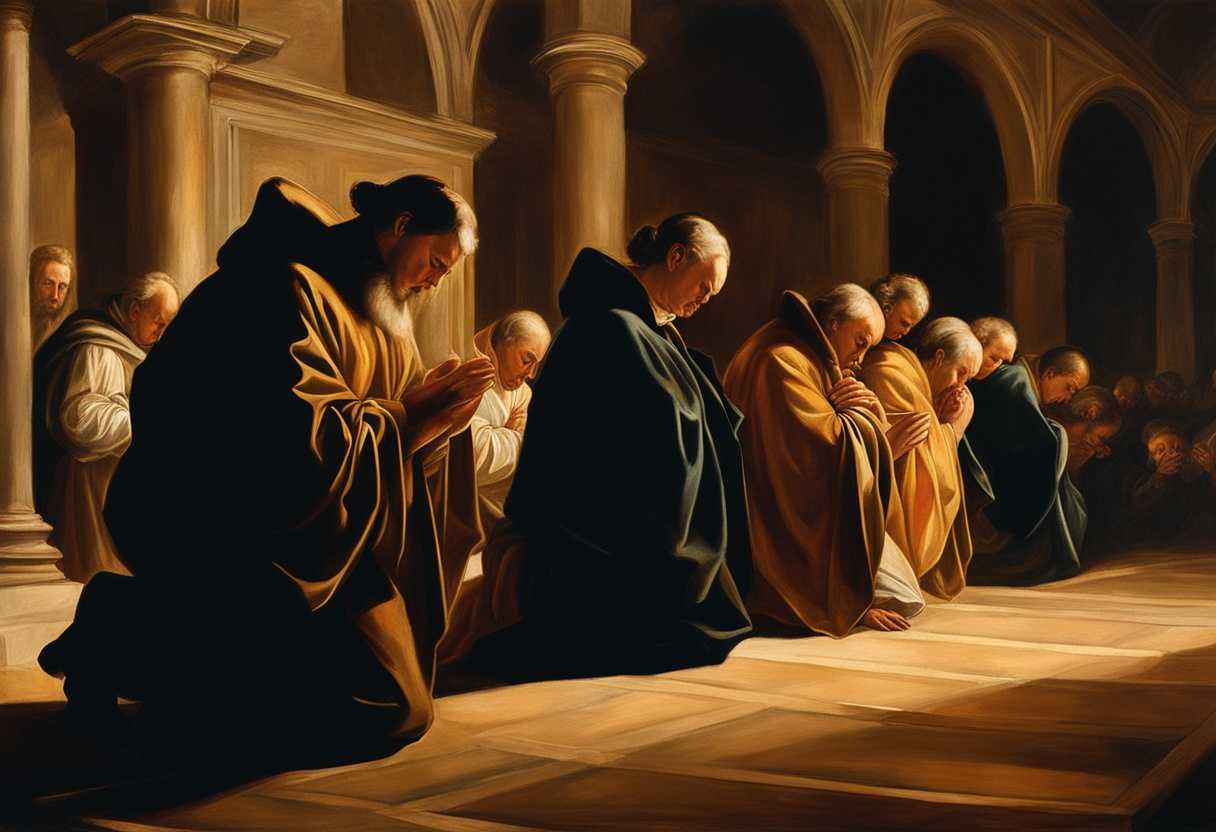
In Isaiah chapter 59, we find a scene of redemption and deliverance. The prophet Isaiah is speaking to the people of Israel, who have strayed from God’s ways and are facing the consequences of their actions. The atmosphere is heavy with the weight of sin and the brokenness of the people. The surroundings are likely a gathering of the Israelites, perhaps in a temple or a communal meeting place.
As Isaiah continues to deliver his message of warning and hope, he speaks of a Redeemer who will come to Zion, to those in Jacob who repent of their sins. This Redeemer is none other than the promised Messiah, who will bring salvation and restoration to the people. The mention of this Redeemer brings a glimmer of hope to the despairing hearts of the Israelites, reminding them of God’s faithfulness and mercy.
The people in this scene are likely a mix of those who are repentant and seeking God’s forgiveness, as well as those who are hardened in their ways. The message of Isaiah serves as a call to return to the Lord and a promise of redemption for those who turn back to Him. The scene is filled with a sense of urgency and longing for the fulfillment of God’s promises.
What is Isaiah 59:20 about?
This verse speaks of hope and redemption for those who have strayed from the right path. It tells us that a Redeemer will come to Zion, symbolizing a divine figure or source of salvation that will bring deliverance to those who seek forgiveness and make amends for their wrongdoings. The verse emphasizes the importance of acknowledging our shortcomings and actively seeking redemption through sincere repentance and a change of heart by mentioning “those in Jacob who repent of their sins.”
Reflect on the power of redemption and the transformative effect it can have on our lives. How does the promise of a Redeemer coming to Zion give us hope and encouragement to turn away from our mistakes and seek forgiveness? Consider how personal growth and spiritual renewal are significant in the process of repentance. The verse serves as a reminder that no matter how far we may have strayed, there is always a chance for redemption and forgiveness if we are willing to take the necessary steps towards reconciliation with ourselves and with our higher power.
Understanding what Isaiah 59:20 really means
In Isaiah 59:20, we find a profound message amidst the prophet Isaiah’s discourse on the separation caused by sin and the promise of redemption. To truly grasp the significance of this verse, it is crucial to delve into its historical and spiritual context. The phrase “The Redeemer will come to Zion” holds a powerful meaning, depicting a savior who delivers from sin and its consequences. This concept of a Redeemer is often associated with Jesus Christ in Christian theology, symbolizing hope and salvation for God’s people. Additionally, “Zion” represents not only the physical city of Jerusalem but also the spiritual dwelling place of the faithful.
Furthermore, the mention of “those in Jacob who repent of their sins” emphasizes the importance of repentance in the narrative of redemption. “Jacob” symbolizes the nation of Israel, highlighting the collective need for turning away from sin and seeking forgiveness from God. This call to repentance echoes throughout the Bible, resonating in passages like Romans 11:26-27, where Paul underscores the fulfillment of God’s promises through repentance. Similarly, in Luke 1:68-75 and Acts 3:19, we witness the themes of redemption and repentance intertwined in the prophecies and teachings of Zechariah and Peter.
The relevance of Isaiah 59:20 extends beyond its historical context, speaking directly to individuals today. The concept of a Redeemer offers hope and salvation to all who turn to God, regardless of the challenges they face. The timeless call to repentance urges introspection, forgiveness-seeking, and a pursuit of a deeper connection with the divine. In a world fraught with moral dilemmas, the promise of redemption serves as a beacon of light, guiding individuals towards spiritual renewal and growth.
To illustrate the transformative power of repentance and redemption, consider a personal testimony or a community story where someone experienced a profound change after turning away from destructive paths. Such narratives exemplify the promise of renewal and the significance of seeking forgiveness. By reflecting on these stories, we can draw parallels to the overarching message of Isaiah 59:20 and the universal call to repentance.
In conclusion, Isaiah 59:20 encapsulates the essence of redemption and repentance, offering a path to salvation for all who seek it. As we ponder on this verse and its implications, let us introspect on our own lives, identifying areas where repentance and renewal are needed. May we embrace the promise of redemption, strive for a closer relationship with God, and walk in the light of His grace.
What does it mean to seek God continually?
To seek God continually means to actively pursue a deeper relationship with Him, to earnestly desire His presence and guidance in your life on a consistent basis. It involves seeking His will and direction in everything you do, through prayer, studying His Word, and abiding in His presence. Seeking God continuously implies a lifestyle of seeking after his wisdom, guidance, and presence in all areas of your life, not just on occasion or when it is convenient.
This verse encourages believers to be constantly seeking after God, not just when we are in need or facing challenges, but as a daily practice. We demonstrate our dependence on God and acknowledge that He is the source of all wisdom, strength, and help by seeking Him continually. It is a call to prioritize our relationship with God above all else, to constantly seek His will and align ourselves with His purposes. We allow God to work in and through us, guiding us in the paths of righteousness and blessing us abundantly.
Application
Dear friend, let us embrace our purpose like we tackle our daily duties at work and nurture our loved ones at home. Let us be a light in this world, shining brightly in the chaos that surrounds us. The time is now to spread hope, kindness, and faith wherever we go. Will you join me in being a beacon of positivity and strength in a world that craves it?

Reverend Michael Johnson is an experienced Church Minister with a profound expertise in spirituality and guidance. With a serene presence and a compassionate heart, he has faithfully served his congregation for over 20 years, leading them on a spiritual journey towards inner peace and enlightenment. Reverend Johnson’s extensive knowledge of religious philosophies and profound understanding of human nature have made him a trusted confidant and mentor to many, as he seamlessly weaves his profound wisdom into life teachings. Reverend Johnson’s calming demeanor and empathetic nature continue to uplift and heal souls, nurturing a sense of unity and tranquility within his community.