
1 In the fourth year of Jehoiakim the son of Josiah, king of Judah, this word came to Jeremiah from the Lord:
2 “Take a scroll and write on it all the words that I have spoken to you against Israel and Judah and all the nations, from the day I spoke to you, from the days of Josiah until today.
3 It may be that the house of Judah will hear all the disaster that I intend to do to them, so that every one may turn from his evil way, and that I may forgive their iniquity and their sin.
4 Then Jeremiah called Baruch the son of Neriah, and Baruch wrote on a scroll at the dictation of Jeremiah all the words of the Lord that he had spoken to him.
5 And Jeremiah ordered Baruch, saying, “I am banned from going to the house of the Lord.
6 So you go, and read from the scroll, which you have written at my dictation, the words of the Lord in the hearing of the people in the Lord’s house on the day of fasting. And you shall also read them in the hearing of all Judah who come out of their cities.
7 It may be that their plea for mercy will come before the Lord, and that every one will turn from his evil way, for great is the anger and wrath that the Lord has pronounced against this people.”
8 Baruch the son of Neriah did all that Jeremiah the prophet commanded him about reading from the scroll the words of the Lord in the Lord’s house.
9 In the fifth year of Jehoiakim the son of Josiah, king of Judah, in the ninth month, all the people in Jerusalem and all the people who came from the cities of Judah to Jerusalem proclaimed a fast before the Lord.
10 Then, in the hearing of all the people, Baruch read the words of Jeremiah from the scroll, in the house of the Lord, in the chamber of Gemariah the son of Shaphan the secretary, which was in the upper court, at the entry of the New Gate of the Lord’s house.
11 When Micaiah the son of Gemariah, son of Shaphan, heard all the words of the Lord from the scroll,
12 he went down to the king’s house, into the secretary’s chamber, and all the officials were sitting there: Elishama the secretary, Delaiah the son of Shemaiah, Elnathan the son of Achbor, Gemariah the son of Shaphan, Zedekiah the son of Hananiah, and all the officials.
13 And Micaiah told them all the words that he had heard, when Baruch read the scroll in the hearing of the people.
14 Then all the officials sent Jehudi the son of Nethaniah, son of Shelemiah, son of Cushi, to say to Baruch, “Take in your hand the scroll that you read in the hearing of the people, and come.” So Baruch the son of Neriah took the scroll in his hand and came to them.
15 In their hearing all the officials sent Jehudi the son of Nethaniah, son of Shelemiah, son of Cushi, to say to Baruch, “Take in your hand the scroll that you read in the hearing of the people, and come.”
16 When they heard all the words, they turned one to another in fear. And they said to Baruch, “We must report all these words to the king.”
17 And they asked Baruch, “Tell us, please, how did you write all these words? Was it at his dictation?”
18 Baruch said to them, “He dictated all these words to me, while I wrote them with ink on the scroll.”
19 Then the officials said to Baruch, “Go and hide, you and Jeremiah, and let no one know where you are.”
20 So they went into the court to the king, having put the scroll in the chamber of Elishama the secretary, and they reported all the words to the king.
21 Then the king sent Jehudi to get the scroll, and he took it from the chamber of Elishama the secretary. And Jehudi read it to the king and all the officials who stood beside the king.
22 It was the ninth month, and the king was sitting in the winter house, and there was a fire burning in the fire pot before him.
23 As Jehudi read three or four columns, the king would cut them off with a knife and throw them into the fire in the fire pot, until the entire scroll was consumed in the fire that was in the fire pot.
24 Yet neither the king nor any of his servants who heard all these words was afraid, nor did they tear their garments.
25 Even when Elnathan and Delaiah and Gemariah urged the king not to burn the scroll, he would not listen to them.
26 And the king commanded Jerahmeel the king’s son and Seraiah the son of Azriel and Shelemiah the son of Abdeel to seize Baruch the secretary and Jeremiah the prophet, but the Lord hid them.
27 Now after the king had burned the scroll with the words that Baruch wrote at Jeremiah’s dictation, the word of the Lord came to Jeremiah:
28 “Take another scroll and write on it all the former words that were in the first scroll, which Jehoiakim the king of Judah has burned.”
29 And concerning Jehoiakim king of Judah you shall say, ‘Thus says the Lord, You have burned this scroll, saying, “Why have you written in it that the king of Babylon will certainly come and destroy this land, and will cut off from it man and beast”?
30 Therefore thus says the Lord concerning Jehoiakim king of Judah: He shall have none to sit on the throne of David, and his dead body shall be cast out to the heat by day and the frost by night.
31 And I will punish him and his offspring and his servants for their iniquity. I will bring upon them and upon the inhabitants of Jerusalem and upon the people of Judah all the disaster that I have pronounced against them, but they would not hear.’”
32 Then Jeremiah took another scroll and gave it to Baruch the scribe, the son of Neriah, who wrote on it at the dictation of Jeremiah all the words of the scroll that Jehoiakim king of Judah had burned in the fire. And many similar words were added to them.
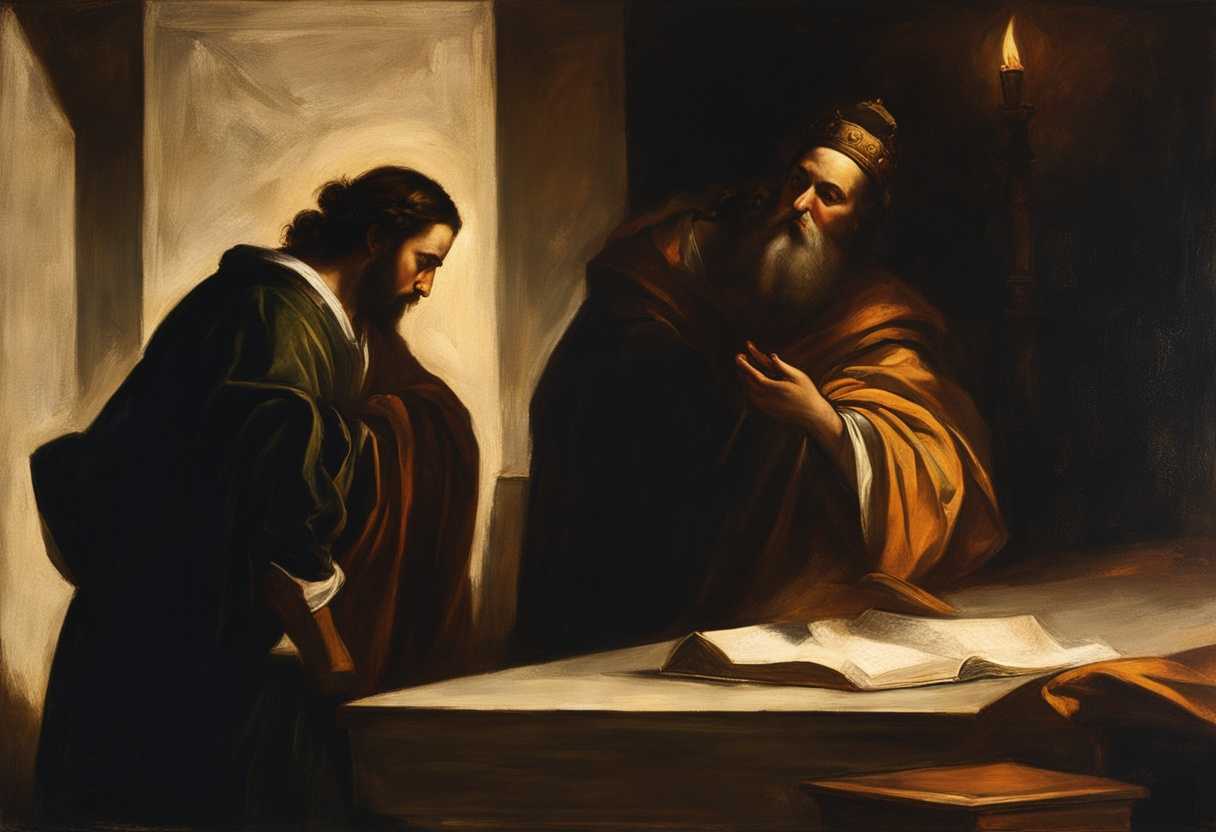
The True Meaning of Jeremiah 36
The book of Jeremiah was written by the prophet Jeremiah, a man called by God to speak His words to the people of Judah during a tumultuous time in their history. Jeremiah’s ministry spanned several decades, as he warned the nation of the impending judgment of God if they did not turn from their wicked ways. Jeremiah’s words are recorded and read to the people in this chapter, setting the stage for a dramatic confrontation between the king and the prophet. The events that unfold here will have far-reaching consequences, as the king’s response to God’s message will determine the fate of the nation.
Throughout this passage, we see the hand of God at work, preserving His word and using it to call the people to repentance. This is a theme that runs throughout the book of Jeremiah, as the prophet tirelessly proclaims the truth of God’s judgment and the hope of His mercy (Jeremiah 26:2-3).
Jeremiah 36:1-3
Jeremiah 36:1-3 presents an important event in the life of the prophet Jeremiah. The passage begins by stating that this event took place during the fourth year of the reign of King Jehoiakim of Judah. This dating helps to place the events in a historical context, highlighting the timeline in which Jeremiah was prophesying.
We are then introduced to Jeremiah receiving a message from the Lord, instructing him to write down all the words that had been spoken to him concerning Israel, Judah, and all the nations. Jeremiah, being a faithful servant of God, calls Baruch the son of Neriah to assist him in writing down these prophecies as dictated by the Lord. Baruch becomes an important figure in this event as he serves as Jeremiah’s scribe, faithfully recording the messages from God.
This section of the verse emphasizes the importance of documenting and preserving the words of God. It serves as a reminder of the significance of God’s messages and the duty of His prophets to relay them accurately. The act of writing down these prophecies highlights the permanence and importance of God’s word, as it is meant to be read, remembered, and shared with future generations.
Throughout the Bible, we see the theme of the written Word of God being central to the faith of believers. God breathes out all Scripture, which is profitable for teaching, reproof, correction, and training in righteousness, as stated in 2 Timothy 3:16.” This verse reinforces the idea that the writings inspired by God, such as those recorded by Jeremiah and Baruch, are meant to guide, instruct, and edify believers for generations to come.
Jeremiah’s obedience in faithfully recording and sharing the messages of the Lord despite facing opposition and persecution serves as an example for believers today. It illustrates the importance of remaining steadfast in our faith and commitment to God’s word, even in the face of adversity. Jeremiah’s courage and perseverance in fulfilling his role as a prophet demonstrate the faithfulness and trustworthiness of those who serve the Lord wholeheartedly.
Jeremiah 36:4-8
The Lord instructed the prophet Jeremiah in Jeremiah 36:4-8 to write down all the words that God had spoken to him concerning Judah, Israel, and all the nations. Jeremiah is directed to document the prophecies, warnings, and judgments that were to be proclaimed to the people. This act of documenting the messages from God was crucial because it was a tangible and lasting record of the divine words that Jeremiah received.
The act of writing down the words of God serves as a reminder that God’s messages are not to be taken lightly or forgotten. It emphasizes the importance of preserving and transmitting God’s revelations for future generations. The written word also ensures accuracy and clarity in the communication of God’s will, as human memory can be fallible. This instruction to write down the prophecies reflects the divine intention for the message to endure and be passed down through time.
This act of recording the messages from God is a theme that runs throughout the Bible. The importance of the written word is evident in passages like Deuteronomy 6:6-9, where the Israelites are commanded to write the commandments of God on their hearts and on their doorposts. The preservation of God’s word through writing is a powerful tool for teaching, rebuking, correcting, and training in righteousness (2 Timothy 3:16). It serves as a foundation for faith and a guiding light for those who seek to live in accordance with God’s will.
Jeremiah 36:9-10
Baruch, the scribe, interacts with the people in Jeremiah 36:9-10. Baruch was the faithful scribe of the prophet Jeremiah, tasked with writing down the messages from God that Jeremiah would speak. Baruch played a critical role in the prophecy of the destruction of Jerusalem, as he wrote down the words of God on a scroll. When Baruch read the words of the Lord to the people gathered at the temple, it caused quite a stir. The people, upon hearing the message of impending doom and the call for repentance, were alarmed and decided to inform the officials about what they heard.
This passage reflects the vital role of messengers and scribes in conveying God’s messages to His people. Baruch’s faithfulness in faithfully recording and sharing the words of God, even in the face of opposition and potential danger, serves as a powerful example of obedience and dedication. It reminds us of the importance of listening to and heeding the warnings and instructions of God, even when they are difficult to hear.
The reaction of the people to the prophecy highlights a common theme throughout the Bible – the response of individuals to God’s word. We are often called to examine our own lives in light of God’s teachings, just as the people in this passage were troubled by the message of judgment and felt compelled to act. This story serves as a reminder that God’s word is powerful and transformative, capable of stirring hearts and calling people to repentance.
The events in this passage also demonstrate the consequences of ignoring or rejecting God’s message. Despite the initial alarm and concern shown by the people upon hearing the prophecy, we know from later verses in Jeremiah 36 that the king and officials refused to heed the warning and even went as far as burning the scroll containing the words of God. This act of defiance led to further judgment upon Judah, illustrating the severe repercussions of disobedience and rebellion against God. Attentive listening to God’s word, faithful messengers conveying His messages, and accountability when faced with the choice to obey or disregard the instructions of the Almighty are all highlighted in this passage in Jeremiah 36. It underscores the timeless truth that God’s word remains a double-edged sword, bringing both conviction and hope, depending on our response to it.
Jeremiah 36:11-19
The scribes present the scroll with the words of Jeremiah to King Jehoiakim in Jeremiah 36:11-19. This section of the verse is crucial as it illustrates how the word of God is being brought before the king for his consideration and response. The scribes were the ones responsible for writing down and preserving the words of the Lord, serving as a link between the prophet Jeremiah and the royal court. They were fulfilling their duty to convey the message to the highest authority in the land by bringing the scroll to the king, even though it was a risky undertaking given the content of the prophecy.
When King Jehoiakim hears the words of the scroll being read to him, he shows complete disdain for God’s message by cutting it apart and burning it in the fire. This act of defiance and disrespect towards the word of God reflects the king’s hardened heart and his refusal to heed the warnings and instructions given by the prophet Jeremiah. Jehoiakim’s actions reveal his arrogance and rebellion against God, as he not only rejects the message but also seeks to silence it by destroying the written words.
The burning of the scroll by King Jehoiakim symbolizes the rejection of God’s authority and the consequences of disobedience. The king displayed his pride and unwillingness to submit to God’s will by destroying the words of the prophet. This event serves as a vivid illustration of the spiritual condition of the nation of Judah at that time, marked by rebellion, idolatry, and disregard for the law of the Lord.
This passage serves as a poignant reminder of the importance of humility, obedience, and respect for the word of God. The actions of King Jehoiakim stand in stark contrast to those of individuals like King Josiah, who, upon hearing the words of the law, tore his robes in repentance and sought the Lord’s favor (2 Kings 22:11-13). Jehoiakim’s response serves as a warning to all who would reject the word of God and underscores the timeless message of the consequences of pride and rebellion in the face of divine instruction.
Jeremiah 36:20-26
The verses in Jeremiah 36:20-26 describe the reaction of the officials to the reading of the scroll containing the words of the Lord that the prophet Jeremiah had dictated to Baruch, his scribe. The officials were seated in the winter chamber of the king at the time of the reading. They showed a mix of fear and concern as they heard the words being read.
The first section of these verses shows that when Michaiah, one of the officials, heard the words of the scroll, he immediately went to report to the other officials what he had heard. Their reaction was initially one of fear, recognizing the seriousness and dire predictions contained in the scroll. They realized that the message was indeed from the Lord, and its weight could not be ignored. This response is a reminder of the power and authority of God’s word. It demonstrates that even those who may have dismissed or ignored Jeremiah’s previous warnings were struck with fear when confronted with the direct revelation from God.
The reaction of the officials also reveals the underlying tension and conflict that often arises when God’s messages challenge the status quo or the actions of those in power. The officials recognized the gravity of the situation but also showed a lack of true repentance or humility in response to the message. This highlights the struggle of human nature to fully submit to God’s will, especially when it goes against personal interests or desires.
It is important to note that even in the midst of fear and recognition of the truth of God’s word, the officials did not immediately change their ways or seek repentance. Instead, they decided to inform the king of the contents of the scroll. This decision ultimately led to King Jehoiakim’s defiance and rejection of God’s message, as he cut up and burned the scroll in a brazen act of disobedience.
This event serves as a powerful illustration of the consequences of rejecting God’s word and refusing to heed His warnings. King Jehoiakim’s actions not only symbolized his defiance and pride but also led to severe judgment from God. It underscores the importance of humility, obedience, and repentance in the face of divine revelation. Throughout the Bible, there are numerous examples of individuals, rulers, and nations facing judgment or blessings based on their responses to God’s word. King Jehoiakim’s fate serves as a sobering reminder of the ultimate authority and power of God’s word, which demands a response of faith and obedience from all who hear it. The mixed reactions of the officials to God’s message in Jeremiah 36:20-26 lead to King Jehoiakim’s defiant response. It highlights the importance of heeding God’s word, the consequences of pride and disobedience, and the need for humility and repentance in the face of divine revelation. The story serves as a timeless lesson for believers today to fully submit to God’s will, even when it challenges our own interests or desires, and to trust in His authority and sovereignty over all aspects of life.
Jeremiah 36:27-32
King Jehoiakim of Judah and the prophet Jeremiah have a significant interaction in Jeremiah 36:27-32. This section of the chapter describes the king’s response to the reading of the scroll containing the words of God that Jeremiah had dictated to Baruch, his scribe. King Jehoiakim’s reaction to the words of the scroll is witnessed in verse 27. The king shows no signs of repentance or fear of God’s word as he reads the scroll before him. Instead, he brazenly takes a scribe’s knife, cuts the scroll into pieces, and throws it into the fire, showing utter contempt for the message delivered by Jeremiah.
This act of defiance by King Jehoiakim illustrates a dangerous pattern of rebellion against God’s prophets and His divine instructions. The destruction of the scroll symbolizes the king’s rejection of God’s authority and his refusal to heed the warnings and calls to repentance that Jeremiah had proclaimed. This blatant disregard for God’s word ultimately leads to King Jehoiakim’s downfall and the subsequent judgment on Judah.
The consequences of Jehoiakim’s actions are severe, as we see in verses 29-31. The Lord commands Jeremiah to rewrite the words that were on the first scroll and to add further prophecies against Jehoiakim and his descendants. The judgment pronounced on Jehoiakim is a result of his disobedience and his failure to humble himself before God.
This narrative in Jeremiah 36 serves as a sobering reminder of the importance of heeding God’s word and the severe consequences of disregarding His commands. It highlights the accountability that leaders, especially kings, have before God and the judgment that follows when they reject His divine instructions. The story of King Jehoiakim also foreshadows the eventual destruction of Judah due to the nation’s persistent disobedience and idolatry.
The actions of King Jehoiakim in response to God’s word stand in stark contrast to the examples of humility and repentance found in other biblical figures, such as King David who, despite his sins, sought forgiveness and reconciliation with God (2 Samuel 12:13). This contrast serves to emphasize the importance of humility, obedience, and reverence for God’s word as timeless lessons that are relevant to all believers throughout history.
After Jeremiah 36
The Lord’s message had been delivered, but the king’s response was one of defiance. He took the scroll and burned it, thinking he could silence the word of God. Yet, the Lord’s message would not be silenced. Jeremiah watched the scroll burn and knew that the Lord’s judgment would not be averted. The stage was set for the next chapter, where the consequences of the king’s actions would unfold before the people.

Reverend Michael Johnson is an experienced Church Minister with a profound expertise in spirituality and guidance. With a serene presence and a compassionate heart, he has faithfully served his congregation for over 20 years, leading them on a spiritual journey towards inner peace and enlightenment. Reverend Johnson’s extensive knowledge of religious philosophies and profound understanding of human nature have made him a trusted confidant and mentor to many, as he seamlessly weaves his profound wisdom into life teachings. Reverend Johnson’s calming demeanor and empathetic nature continue to uplift and heal souls, nurturing a sense of unity and tranquility within his community.