
John 15:1-5 is about the relationship between Jesus and his followers, using the metaphor of a vine and branches to convey the importance of staying connected to him in order to bear fruit and find strength and sustenance.
1 “I am the true vine, and my Father is the vinedresser.”
2 Every branch in me that does not bear fruit he takes away, and every branch that does bear fruit he prunes, that it may bear more fruit.
3 Already you are clean because of the word that I have spoken to you.
4 Abide in me, and I in you. As the branch cannot bear fruit by itself, unless it abides in the vine, neither can you, unless you abide in me.
5 I am the vine; you are the branches. Whoever abides in me and I in him, he it is that bears much fruit, for apart from me you can do nothing.
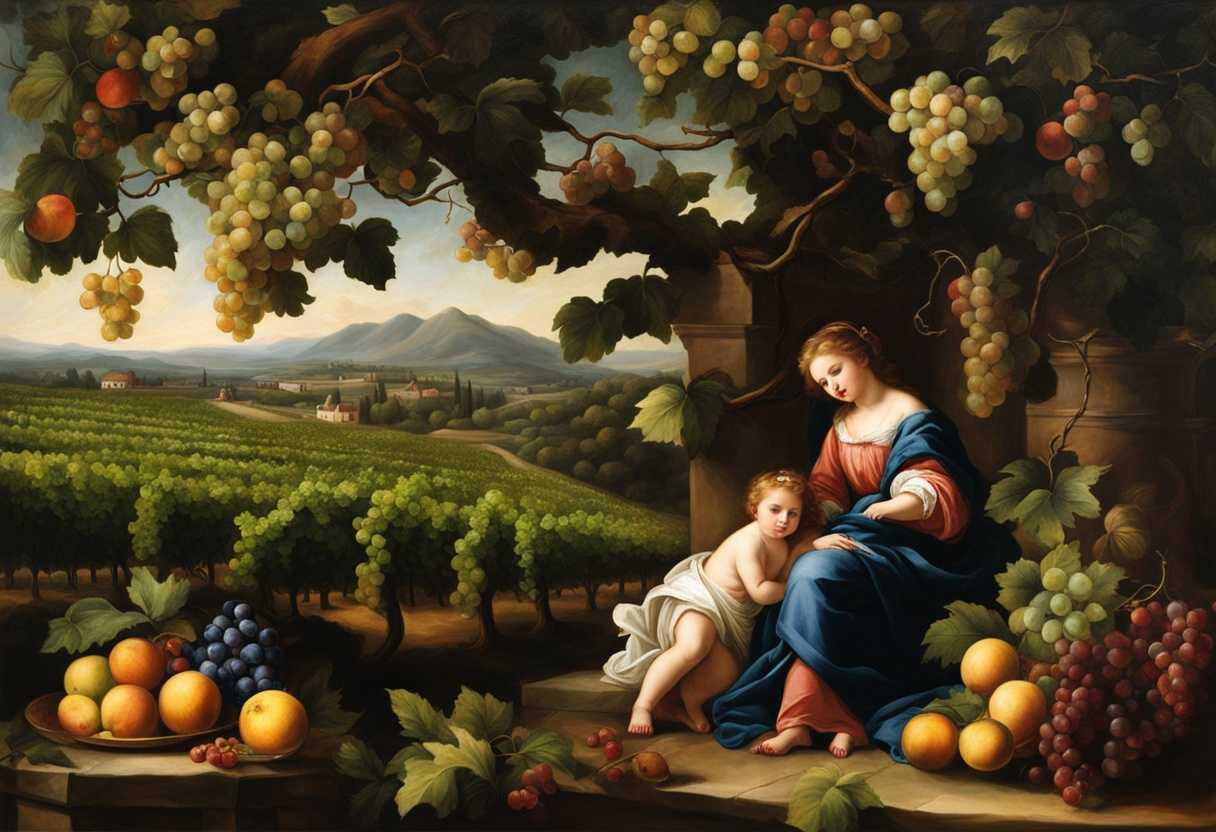
Setting the Scene for John 15:1-5
The scene in John chapter 15 opens with Jesus and his disciples gathered together in a quiet garden on the outskirts of Jerusalem. The evening sun casts a warm glow over the group as they sit under the shade of a large olive tree. The disciples, including Peter, James, John, and the others, are listening intently to Jesus as he begins to speak to them in a gentle and reassuring tone.
Jesus, knowing that his time on earth is drawing to a close, uses the imagery of a vineyard to convey a powerful message to his disciples. He compares himself to the vine, and his followers to the branches that must remain connected to him in order to bear fruit. The disciples, who have spent years following Jesus and witnessing his miracles, are captivated by his words and the depth of his love for them.
As the disciples listen, they are filled with a sense of awe and wonder at the profound teachings of their beloved teacher. They hang on his every word, eager to learn and grow in their faith. In this serene setting, surrounded by the beauty of nature and the presence of their Lord, the disciples are reminded of the importance of staying connected to Jesus in order to experience true spiritual growth and bear fruit in their lives.
What is John 15:1-5 about?
This verse serves as a beautiful analogy of our relationship with Jesus Christ. Believers must remain connected to Jesus to produce spiritual fruit in our lives, drawing their lifeblood just as branches do from the vine. Our connection to Christ is essential for our spiritual growth and ability to fulfill our purpose as His followers.
Think about it: when a branch is disconnected from the vine, it withers and dies—similarly, when we disconnect ourselves from Jesus, we can become spiritually stagnant or even regress. But when we abide in Him, staying connected through prayer, studying His word, and living out His teachings, we can experience His life-giving power flowing through us, enabling us to bear fruit that reflects His love, grace, and character in our lives.
So, the key takeaway from this verse is the invitation for us to remain steadfast in our relationship with Jesus, drawing our strength, nourishment, and purpose from Him. Our connection to Jesus, as branches of the true vine, sustains us, empowers us, and allows us to flourish spiritually. Let us abide in Him, rooting deeply in His love, to bear fruit that glorifies Him and impacts the world around us.
Understanding what John 15:1-5 really means
During the Last Supper, a poignant moment in Jesus’ ministry, He shares profound teachings with His disciples, offering them comfort and guidance as He prepares to depart. In John 15:1-5, Jesus uses the metaphor of a vine to illustrate His relationship with His followers, portraying Himself as the true vine and God as the gardener. This imagery conveys the intimate connection between Jesus and believers, highlighting God’s active role in nurturing and pruning them for spiritual growth. The metaphorical language employed by Jesus in this passage serves to deepen the disciples’ understanding of their relationship with Him and the Father.
In verse 2, Jesus speaks of the Father cutting off branches that bear no fruit, underscoring the significance of spiritual productivity and the consequences of spiritual barrenness. Conversely, He mentions that fruitful branches are pruned to enhance their productivity, symbolizing God’s discipline and guidance in the lives of believers. This process of pruning, though it may involve discomfort, is essential for believers to grow and bear more spiritual fruit. Jesus emphasizes the vital importance of abiding in Him for spiritual vitality, stating that apart from Him, believers can do nothing.
Drawing parallels from related Bible passages such as Psalm 80:8-16 and Isaiah 5:1-7, which depict God’s care for His people as a vine, and Galatians 5:22-23, which lists the fruits of the Spirit, we see a consistent theme of God’s desire for His followers to bear good fruit. Hebrews 12:5-11 further elucidates the concept of God’s loving discipline as a form of pruning to produce righteousness in believers. These passages collectively reinforce the idea of God’s active involvement in the lives of His children, nurturing them to bear fruit that reflects His character.
The timeless relevance of the vine and branches metaphor resonates with believers today, reminding them of the necessity of remaining connected to Jesus for spiritual nourishment and growth. In a culture that often exalts self-reliance, this passage challenges individuals to acknowledge their dependence on Christ for spiritual sustenance and effectiveness. It prompts introspection, urging believers to evaluate areas in their lives that may require pruning or a deeper commitment to abiding in Jesus.
Consider a gardener meticulously tending to their plants, pruning and nurturing them to yield the best fruit. Similarly, God works in the lives of believers, sometimes allowing challenging circumstances to refine and strengthen them. Through seasons of pruning, individuals may deepen their reliance on God, develop resilience, and ultimately bear more spiritual fruit. These experiences, though difficult, are instrumental in shaping believers into vessels that reflect the character of Christ.
In conclusion, the message of John 15:1-5 underscores the importance of abiding in Jesus and allowing God to work in our lives through His nurturing and pruning. As readers reflect on this passage, may they consider how they can cultivate a closer relationship with Christ, trusting in His care and guidance to produce abundant spiritual fruit in their lives.
How can we abide in Christ and bear fruit?
We can abide in Christ and bear fruit by staying connected to Him, just like branches are connected to a vine. This means having a close, intimate relationship with Jesus and allowing His Word to dwell richly in us. We can strengthen our connection to Christ and experience His life-giving presence in us by spending time in prayer, studying the Bible, and fellowshipping with other believers. We will naturally bear fruit as we abide in Christ. The fruit of the Spirit, such as love, joy, peace, patience, kindness, goodness, faithfulness, gentleness, and self-control, will be evident in our lives. This fruitfulness is a result of our relationship with Christ and is a testimony to the world of His transforming power and grace at work in us.
It is essential to remember that apart from Christ, we can do nothing. We need to rely on His strength, wisdom, and guidance to produce lasting fruit in our lives. We will not only bear fruit but also experience the fullness of joy and purpose that comes from being connected to the true Vine by abiding in Him.
Application
Think of your daily grind like plugging into a power source. Jesus is that constant energy, and you are the device needing recharging. Every moment you stay connected to Him, He fuels your strength, love, and joy. Do this consistently to power up your work and family life. Will you stay plugged in to shine brightly in everything you do?

Reverend Michael Johnson is an experienced Church Minister with a profound expertise in spirituality and guidance. With a serene presence and a compassionate heart, he has faithfully served his congregation for over 20 years, leading them on a spiritual journey towards inner peace and enlightenment. Reverend Johnson’s extensive knowledge of religious philosophies and profound understanding of human nature have made him a trusted confidant and mentor to many, as he seamlessly weaves his profound wisdom into life teachings. Reverend Johnson’s calming demeanor and empathetic nature continue to uplift and heal souls, nurturing a sense of unity and tranquility within his community.