
John 3:19-21 is about the concept that those who do evil prefer darkness to conceal their actions, while those who do what is right come into the light to reveal that their deeds have been done in accordance with God.
19 And this is the judgment: the light has come into the world, and people loved the darkness rather than the light because their works were evil.
20 For everyone who does wicked things hates the light and does not come to the light, lest his works should be exposed.
21 But whoever does what is true comes to the light, so that it may be clearly seen that his works have been carried out in God.
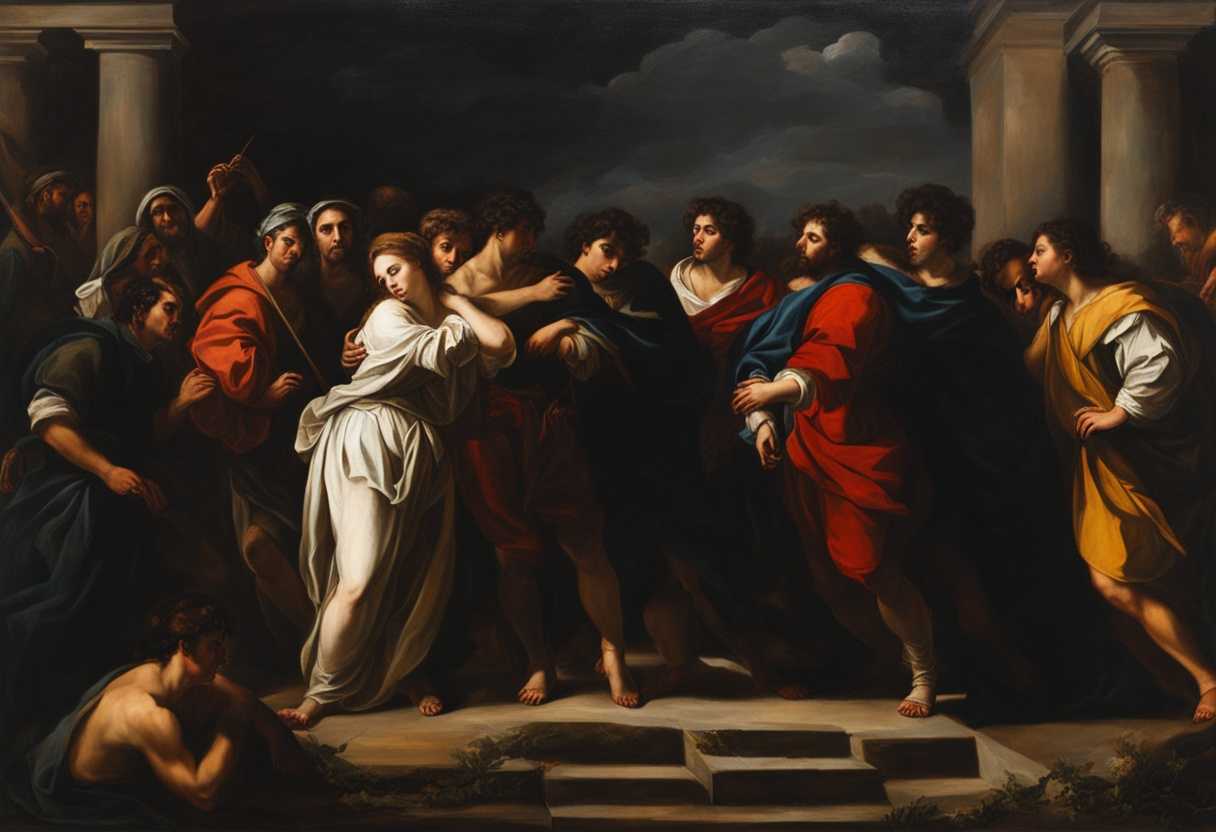
Setting the Scene for John 3:19-21
In John chapter 3, we find Nicodemus, a Pharisee and member of the Jewish ruling council, coming to visit Jesus under the cover of night. Nicodemus is curious about Jesus and seeks to understand His teachings. The scene is set in a dimly lit room, with the flickering light of oil lamps casting shadows on the walls. Jesus and Nicodemus engage in a deep and profound conversation about being born again and the nature of salvation.
As they converse, Jesus explains to Nicodemus the importance of belief and the light that has come into the world. The atmosphere is charged with tension as Nicodemus grapples with the radical ideas that Jesus presents to him. The weight of the moment hangs heavy in the air as Nicodemus struggles to reconcile his traditional beliefs with the revolutionary teachings of Jesus.
In this intimate setting, Jesus challenges Nicodemus to open his heart and mind to the truth, urging him to embrace the light and step out of the darkness of ignorance and unbelief. The encounter between Jesus and Nicodemus serves as a powerful reminder of the transformative power of faith and the eternal consequences of choosing to walk in the light.
What is John 3:19-21 about?
The verse uses the concept of light and darkness as a metaphor to symbolize the nature of our actions and deeds. Just like moths are drawn to a bright light in the darkness, our actions reflect our innate tendencies towards goodness or darkness. Good deeds are often associated with light, symbolizing positivity, purity, and righteousness. When we do good, we naturally gravitate towards the light, symbolizing a path of enlightenment and righteousness. Kindness and generosity have a way of brightening not just someone’s day but also your own. When we engage in acts of goodness, we not only illuminate the world around us but also illuminate our own souls. On the other hand, those who choose to engage in negative actions and harbor darkness within themselves will naturally be drawn towards more darkness. This verse serves as a reminder that our actions have consequences not only for others but also for our own spiritual and emotional well-being. It prompts us to reflect on the choices we make and encourages us to choose the path that leads to light and goodness.
Understanding what John 3:19-21 really means
In the Gospel of John, we find a profound conversation between Jesus and Nicodemus, a Pharisee seeking spiritual understanding. Within this dialogue, John 3:19-21 stands out as a poignant reflection on the contrast between light and darkness, revealing the human response to Jesus’ message. The imagery of light symbolizes Jesus Himself, embodying truth, purity, and divine revelation. Just as John 1:4-5 portrays Jesus as the light shining in the darkness, illuminating the path to salvation and redemption.
On the other hand, the mention of people loving darkness instead of light signifies a deeper spiritual truth. Darkness represents sin, ignorance, and a state of separation from God. This inclination towards darkness echoes the sentiments expressed in Romans 1:21-23, where humanity’s rejection of God’s truth leads to moral decay and spiritual blindness. The stark contrast between light and darkness underscores the fundamental choice individuals face in responding to Jesus’ teachings.
Furthermore, the passage highlights the response of those who engage in evil deeds, showing a tendency to shun the light that exposes their wrongdoing. Ephesians 5:11-13 encourages believers to confront and expose the deeds of darkness, emphasizing the transformative power of truth. Conversely, those who embrace the truth and live by its principles willingly step into the light, allowing Jesus’ teachings to illuminate their path. This aligns with the exhortation in 1 John 1:7 to walk in the light and experience fellowship with one another.
The timeless relevance of this message resonates in contemporary society, where individuals continue to grapple with the choice between embracing truth or succumbing to sin. The ongoing struggle between light and darkness underscores the importance of seeking truth and allowing it to shape one’s beliefs and actions. In a world filled with moral ambiguity and spiritual challenges, the call to choose light over darkness remains as urgent and compelling as ever.
Consider the story of someone who underwent a profound transformation by choosing to live in the light. Perhaps they conquered addiction or overcame dishonesty through faith and truth. Witnessing how their life blossomed with newfound peace and purpose serves as a powerful testament to the transformative power of embracing the light. Such narratives inspire us to reflect on our own choices and consider areas where we may need to invite the light of truth to illuminate our path.
In conclusion, the passage in John 3:19-21 serves as a timeless reminder of the enduring conflict between light and darkness in the human heart. As we navigate life’s complexities and moral dilemmas, may we heed the call to embrace the light of Jesus’ teachings and allow them to guide our steps. Let us reflect on our response to truth and commit to walking in the light, knowing that it leads to fellowship, transformation, and ultimately, eternal life.
How can we choose to walk in light?
We can choose to walk in the light by loving the light and coming to the light. This means actively seeking truth, goodness, and righteousness in our thoughts, actions, and decisions. Walking in the light involves living in a way that is transparent and honest, free from hidden agendas or deceit. It is a conscious choice to align our lives with the principles of goodness and righteousness.
When we choose to walk in the light, we are participating in a transformational process that exposes and challenges the darkness within us. Embracing the light allows us to see and know our true selves, leading to personal growth, healing, and a deeper connection with God. Walking in the light involves a commitment to ongoing self-examination, repentance, and a willingness to be molded and shaped by the truth revealed to us.
Application
Think about your daily life – your work, your family. Don’t hide in the shadows of the past or fear. Embrace the light, let it reveal your true efforts, and let your actions reflect your best self. Show that you’re living with purpose, shining boldly in everything you do. The world needs your light right now. Why dim it when you can shine brightly for all to see?

Reverend Michael Johnson is an experienced Church Minister with a profound expertise in spirituality and guidance. With a serene presence and a compassionate heart, he has faithfully served his congregation for over 20 years, leading them on a spiritual journey towards inner peace and enlightenment. Reverend Johnson’s extensive knowledge of religious philosophies and profound understanding of human nature have made him a trusted confidant and mentor to many, as he seamlessly weaves his profound wisdom into life teachings. Reverend Johnson’s calming demeanor and empathetic nature continue to uplift and heal souls, nurturing a sense of unity and tranquility within his community.