
Luke 12:18 is about a rich man who, in his selfishness and greed, tears down his barns to build bigger ones to store his excess harvest, revealing the folly in placing importance on material wealth over spiritual fulfillment.
18 And he said, ‘I will do this: I will tear down my barns and build larger ones, and there I will store all my grain and my goods.
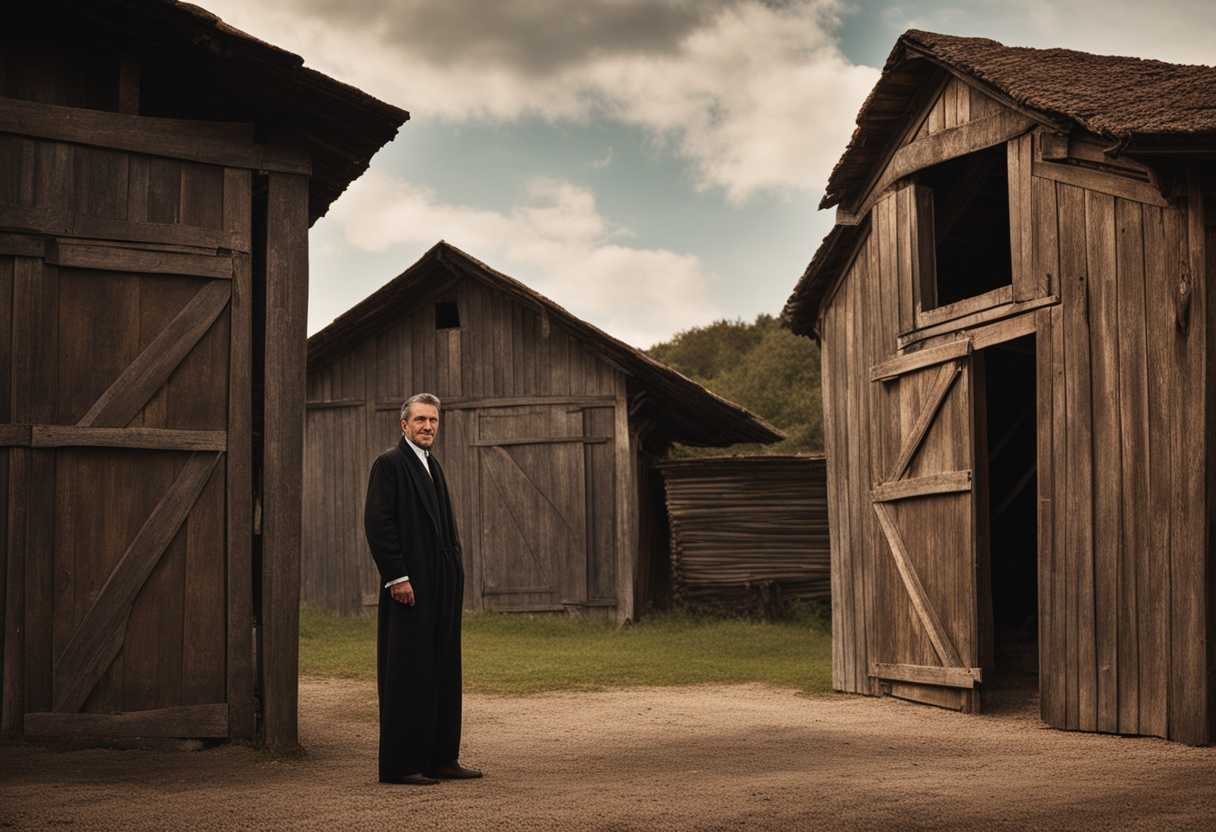
Setting the Scene for Luke 12:18
In Luke chapter 12, Jesus tells a parable about a rich man who had a bountiful harvest and decided to tear down his barns to build bigger ones to store all his crops and goods. The man planned to relax, eat, drink, and be merry for many years to come, thinking he had secured his future. However, God called him a fool, saying that his life would be demanded of him that very night, and all his wealth would be of no use to him then.
The scene is set in a bustling marketplace where Jesus is surrounded by a large crowd of people eager to hear His teachings. Among the crowd are His disciples, who have been following Him closely and learning from His wisdom and parables. The marketplace is filled with the sounds of merchants selling their goods, the smell of various foods being cooked, and the chatter of people going about their daily business.
As Jesus speaks, the crowd listens intently, absorbing His words and pondering the deeper meanings behind His parables. The disciples are gathered around Him, asking questions and seeking clarification on the lessons He is imparting to them. The atmosphere is charged with anticipation and curiosity as Jesus imparts valuable lessons on the dangers of greed, the importance of being rich toward God, and the fleeting nature of earthly possessions.
What is Luke 12:18 about?
Jesus tells the story of a wealthy man who decides to tear down his small barns and build bigger ones to store all his crops and possessions in the Parable of the Rich Fool. This man’s main focus is on his material wealth and personal gain, without considering the bigger picture or the needs of others. He plans to relax and enjoy his plentiful goods, thinking he has secured his future. However, God calls him a fool because that very night his life is required of him, and he cannot take his wealth with him.
This parable is a cautionary tale about the dangers of placing too much emphasis on material possessions and wealth. It challenges us to reflect on our priorities and consider what truly matters in life. Are we investing our time and resources in things that have eternal value, or are we solely focused on accumulating material wealth? It reminds us of the transient nature of life and the reality that true wealth lies in relationships, kindness, and spiritual growth rather than material goods that can be left behind.
So, as we ponder this parable, let us examine our own hearts and actions. Are we building bigger barns for ourselves, metaphorically speaking, or are we investing in the things that truly last? May we choose to prioritize what is truly important and build our lives on a foundation of love, generosity, and faith, knowing that our ultimate security and fulfillment come from our relationship with God and others.
Understanding what Luke 12:18 really means
In the Parable of the Rich Fool, Jesus narrates the story of a wealthy man who plans to build bigger barns to store his abundant harvest, envisioning a life of ease and enjoyment. However, his sole focus on material wealth and security blinds him to the spiritual richness and the unpredictability of life. This cautionary tale serves as a poignant reminder for us today amidst a culture fixated on consumerism and the relentless pursuit of material success. It prompts us to reevaluate our priorities, urging us to place greater emphasis on nurturing our spiritual well-being over the accumulation of earthly possessions.
Jesus’ teachings in Luke 12:18 echo similar sentiments found in other biblical passages. In Matthew 6:19-21, he advises against hoarding treasures on earth, emphasizing the eternal value of storing up treasures in heaven. James 4:13-15 warns against boasting about future plans without acknowledging God’s sovereignty over our lives, underscoring the uncertainty of our earthly existence. Proverbs 27:1 further cautions against presumptuously boasting about tomorrow, recognizing the fragility and unpredictability of life.
Consider a successful entrepreneur consumed by the relentless pursuit of wealth, sacrificing time with family, neglecting personal well-being, and overlooking spiritual growth in the relentless pursuit of financial gain. Suddenly faced with a health crisis, he realizes the emptiness of his pursuits as all his riches cannot buy back lost time or provide genuine peace and fulfillment. This anecdote serves as a stark reminder of the fleeting nature of material possessions and the importance of investing in what truly matters.
The rich man’s declaration to tear down his barns and build bigger ones reflects a mindset of insatiable greed, perpetually seeking more without finding contentment. His desire to hoard surplus grain for personal security highlights a lack of concern for others and a failure to acknowledge the impermanence of earthly treasures. The proclamation to “take life easy; eat, drink and be merry” exposes a hedonistic attitude that prioritizes self-indulgence over communal responsibilities and spiritual growth.
In conclusion, Luke 12:18 challenges us to reassess our values and redefine the source of our security. It beckons us to strike a balance between responsible stewardship of resources and unwavering trust in God’s provision and timing. By meditating on this verse and its related passages, we can cultivate a spirit of generosity, humility, and spiritual abundance that transcends the fleeting allure of material wealth. Let us heed the wisdom embedded in these teachings, striving to build a legacy grounded in faith, compassion, and eternal significance.
What is the true source of our security?
The true source of our security lies not in material wealth or possessions, but in our relationship with God. Jesus teaches about a rich man who plans to tear down his barns and build bigger ones to store his abundant harvest, thinking that he can secure his future through his own efforts and possessions in this verse. However, God challenges this mindset by emphasizing that true security comes from being rich towards God. This highlights the importance of focusing on spiritual wealth and seeking a relationship with God rather than relying solely on material riches for security.
When we prioritize our relationship with God, seeking His kingdom and righteousness above all else, we can find true security and peace. Our trust in God’s provision and care for us can help dispel fears about the uncertainty of the future, knowing that He is faithful and will always provide for our needs. We can experience a security that goes beyond temporary possessions or worldly achievements by ensuring that our hearts are aligned with God’s will and storing up treasures in heaven. Placing our trust in God, who is our ultimate provider, protector, and source of peace, ultimately gives us true security. We can navigate life’s uncertainties with confidence and assurance by recognizing that our value and security come from our relationship with Him, knowing that God’s love and faithfulness will sustain us through all circumstances.
Application
Isn’t it time to recalibrate our hearts just like the parable in Luke 12:18? Are we consumed by material possessions and personal gains, forgetting the essence of compassion and spiritual growth? Let’s redirect our energies towards kindness, empathy, and nurturing our spiritual connections. Will you join me on this journey to create a more meaningful and spiritually abundant life?

Reverend Michael Johnson is an experienced Church Minister with a profound expertise in spirituality and guidance. With a serene presence and a compassionate heart, he has faithfully served his congregation for over 20 years, leading them on a spiritual journey towards inner peace and enlightenment. Reverend Johnson’s extensive knowledge of religious philosophies and profound understanding of human nature have made him a trusted confidant and mentor to many, as he seamlessly weaves his profound wisdom into life teachings. Reverend Johnson’s calming demeanor and empathetic nature continue to uplift and heal souls, nurturing a sense of unity and tranquility within his community.