
Luke 1:59-66 is about the naming of John the Baptist and the miraculous restoration of Zechariah’s speech, highlighting the fulfillment of God’s promise and the recognition of John’s unique role in preparing the way for Jesus.
59 And on the eighth day they came to circumcise the child. And they would have called him Zechariah after his father,
60 But his mother answered, “No; he shall be called John.”
61 And they said to her, “There is no one among your relatives who is called by this name.”
62 And they made signs to his father, inquiring what he wanted him to be called.
63 And he asked for a writing tablet and wrote, “His name is John.” And they all wondered.
64 And immediately his mouth was opened and his tongue loosed, and he spoke, blessing God.
65 And fear came on all their neighbors. And all these things were talked about through all the hill country of Judea.
66 And all who heard them laid them up in their hearts, saying, “What then will this child be?” For the hand of the Lord was with him.
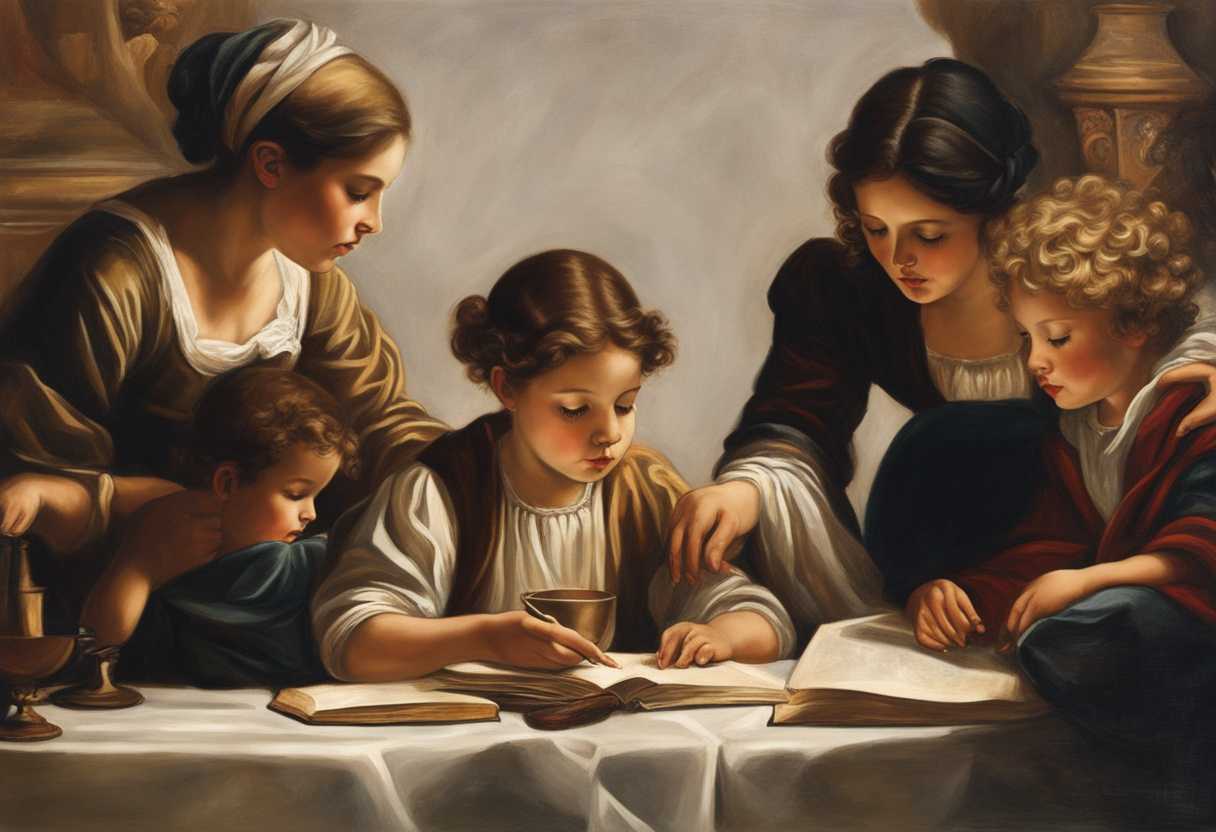
Setting the Scene for Luke 1:59-66
In Luke chapter 1, we find ourselves in a small Judean town, where a miraculous event has just taken place. Elizabeth, the wife of Zechariah, has given birth to a son in her old age, as foretold by the angel Gabriel. The townspeople are filled with wonder and excitement at this unexpected blessing from God.
The scene is set in the humble home of Elizabeth and Zechariah, where friends and relatives have gathered for the baby’s circumcision ceremony on the eighth day, as was the custom. The child is to be named John, as instructed by the angel. The family is overjoyed, and there is a sense of awe and reverence in the air as they witness the fulfillment of God’s promise.
Among the guests are neighbors and extended family members, who have come from near and far to celebrate this miraculous birth. The news of Elizabeth’s pregnancy and the extraordinary circumstances surrounding it have spread throughout the town, and everyone is eager to see the child and witness the unfolding of God’s plan. As Zechariah confirms the child’s name, his speech is miraculously restored, and all those present are filled with fear and amazement, recognizing that God’s hand is truly at work in their midst.
What is Luke 1:59-66 about?
We witness a powerful moment of divine intervention and fulfillment of prophecy in this verse. Zechariah, the father of John the Baptist, had been struck dumb as a sign of disbelief when he questioned the angel’s message about his son’s birth. However, after faithfully carrying out the angel’s instructions and naming his son John as commanded, his mouth is opened, and he is able to speak again. This act not only underscores the faithfulness of God to His promises but also demonstrates the importance of obedience and trust in God’s plan.
The reaction of the people to Zechariah’s restored speech – amazement – reflects the miraculous nature of this event. It serves as a testament to the power and faithfulness of God, and also highlights the significance of John’s birth and the role he is destined to fulfill in preparing the way for the Messiah. God works in our lives in intricate ways that sometimes defy logic or human understanding as we reflect on this verse. It challenges us to trust in God’s timing and plan, even when things seem impossible or uncertain, knowing that He is always at work fulfilling His purposes in ways that are beyond our comprehension.
Understanding what Luke 1:59-66 really means
The passage in Luke 1:59-66 delves into the significant events surrounding the naming of John the Baptist, the son of Zechariah and Elizabeth. Zechariah, who had been struck mute by the angel Gabriel due to his disbelief, regains his speech after confirming the name of his son as John. This narrative underscores essential themes of obedience, faith, and the ultimate fulfillment of God’s promises in the lives of His people.
“On the eighth day they came to circumcise the child,” a phrase from the passage, reflects the Jewish tradition of circumcision, symbolizing the covenant between God and Abraham as outlined in Genesis 17:12. The act of circumcision held deep cultural and religious significance for the Jewish people, marking a covenantal relationship with God. Furthermore, the mention that “they were going to name him after his father Zechariah” highlights the customary practice of naming a child after a family member, emphasizing continuity and honor within the family lineage.
When Zechariah declares, “His name is John,” it signifies a pivotal moment guided by divine instruction. The name “John,” meaning “God is gracious,” foreshadows the unique role John would play in God’s unfolding plan of redemption. As a result of Zechariah’s obedience and faith in confirming the name, his speech is miraculously restored, leading to an outpouring of praise to God. This restoration serves as a tangible sign of God’s faithfulness and Zechariah’s submission to His will.
The passage finds resonance in related biblical texts such as Genesis 17:12, emphasizing the covenantal significance of circumcision, and Luke 1:13, where the angel Gabriel instructs Zechariah regarding the name of his son. Additionally, Isaiah 40:3 prophesies about a voice crying out in the wilderness, a role that John the Baptist fulfills in preparing the way for the Messiah.
In contemporary times, the narrative of Zechariah and Elizabeth resonates with themes of obedience, faith, and the fulfillment of God’s promises. Their story serves as a poignant reminder of the importance of trusting in God’s timing and embracing His unique plans for our lives. The name “John” symbolizes a divine purpose and identity, urging individuals to seek and embrace the distinct roles God has ordained for them.
To illustrate the enduring relevance of this passage, consider a couple who, after years of infertility, receive a promise from God of a child. Despite doubts and societal expectations, they choose to name their child according to the name they believe God has ordained. This act of faith not only brings them profound joy but also serves as a testimony to others of God’s faithfulness and the beauty of His perfect timing.
In conclusion, the narrative of John the Baptist’s naming encapsulates profound lessons on faith, obedience, and the unwavering fulfillment of God’s promises. It beckons individuals to trust in God’s sovereignty, embrace their unique identities and purposes, and walk in obedience to His divine will.
How can we recognize God’s hand in our lives?
We can recognize God’s hand in our lives through the fulfillment of His promises. Just like how Elizabeth and Zechariah experienced the fulfillment of God’s promise to give them a son in their old age, we can see God’s faithfulness in the blessings He bestows upon us. When we see things falling into place in a way that is beyond coincidence or human effort, it is a clear sign of God’s hand at work in our lives.
Additionally, we can recognize God’s hand in our lives through the sense of joy and wonder that His blessings bring. We can experience a deep sense of joy and awe when God’s grace touches us, just as the people around Elizabeth and Zechariah marveled at God’s goodness and foresaw special things for their son, John. This joy and wonder point to the presence of God in our lives and remind us of His love and care for us.
Lastly, we can recognize God’s hand in our lives through the guidance and direction He provides. We can discern God’s will for us through prayer, Scripture, and the wise counsel of others, just as Zechariah’s prophecy about his son, John, revealed God’s plan for him. When we see doors opening, opportunities arising, and our paths aligning with God’s purpose, we can be assured that His hand is leading and guiding us every step of the way.
Application
Are you ready to embrace God’s guiding hand in your life, just as John the Baptist did? Let’s take a moment to ponder the significance of obedience and faith in our own journey. Like John’s parents, let’s trust in God’s divine plan, even when it requires courage and unconventional steps. Are you open to following where God leads you, even when the path ahead appears uncertain? Let’s step forward with faith and conviction, knowing that God’s guidance will always light the way.

Reverend Michael Johnson is an experienced Church Minister with a profound expertise in spirituality and guidance. With a serene presence and a compassionate heart, he has faithfully served his congregation for over 20 years, leading them on a spiritual journey towards inner peace and enlightenment. Reverend Johnson’s extensive knowledge of religious philosophies and profound understanding of human nature have made him a trusted confidant and mentor to many, as he seamlessly weaves his profound wisdom into life teachings. Reverend Johnson’s calming demeanor and empathetic nature continue to uplift and heal souls, nurturing a sense of unity and tranquility within his community.