
Mark 12:26 is about Jesus affirming the resurrection of the dead by referencing the passage where God speaks to Moses from the burning bush, highlighting the continuity of God’s existence beyond earthly life.
26 And as for the dead being raised, have you not read in the book of Moses, in the passage about the bush, how God spoke to him, saying, ‘I am the God of Abraham, and the God of Isaac, and the God of Jacob’?
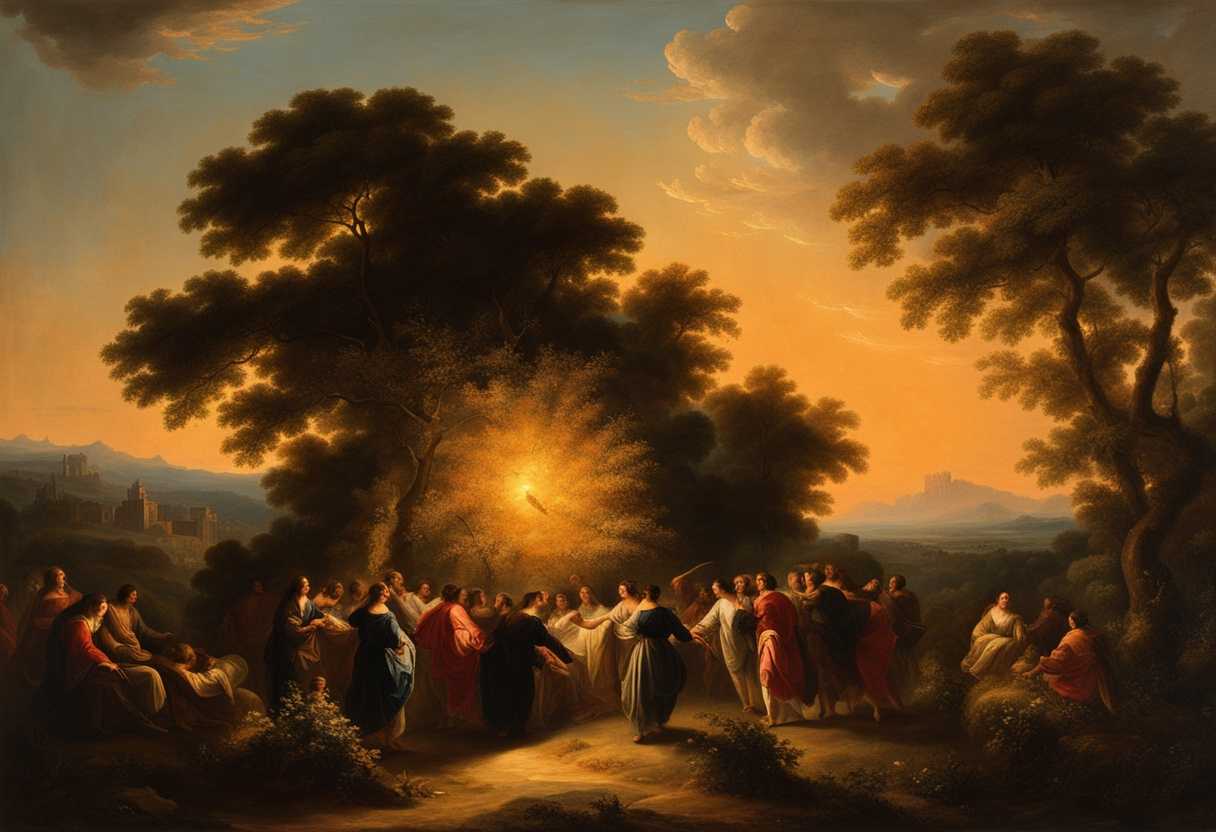
Setting the Scene for Mark 12:26
In Mark chapter 12, Jesus is engaged in a discussion with the Sadducees, a Jewish sect that did not believe in the resurrection of the dead. The scene takes place in the temple in Jerusalem, a place where Jesus often taught and debated with religious leaders. The atmosphere is tense as the religious leaders are trying to trap Jesus with their questions.
Among those present are the Pharisees, scribes, and other onlookers who are curious to see how Jesus will respond to the challenges posed by the Sadducees. Jesus, known for his wisdom and ability to navigate tricky situations, calmly addresses their questions and uses the opportunity to teach important truths about the kingdom of God.
The setting is significant as it showcases the clash between Jesus and the religious authorities of the time, highlighting Jesus’ authority and knowledge of the scriptures. The scene is filled with tension and anticipation as Jesus navigates the complex theological debates with grace and wisdom, ultimately revealing profound truths about the nature of God and the afterlife.
What is Mark 12:26 about?
This verse is a powerful affirmation of the resurrection, as Jesus refers to God’s words to Moses at the burning bush to validate his belief in life after death. Jesus emphasizes that even though these patriarchs had passed away, they were still considered living in the eyes of God by referencing God’s statement “I am the God of Abraham, the God of Isaac, and the God of Jacob.” This serves as a reassurance that death is not the end, but rather a transition to an eternal life with God.
The verse challenges us to reflect on the concept of resurrection and question our own beliefs about life after death. It prompts us to ponder the significance of Jesus using such a foundational story in Jewish tradition to support the idea of resurrection. Jesus invites us to consider the continuity of life beyond physical death and the enduring presence of God’s promise of eternal life by drawing a connection between the past and the present. This verse ultimately encourages us to contemplate our own understanding of the resurrection and challenges us to deepen our faith in the promise of life after death.
Understanding what Mark 12:26 really means
In Mark 12:26, Jesus responds to the Sadducees’ skepticism about the resurrection by pointing to the account of the burning bush. This interaction is part of a larger dialogue where Jesus addresses their doubts and affirms the reality of life after death. The Sadducees, known for their disbelief in the resurrection, sought to challenge Jesus with a hypothetical scenario. However, Jesus uses the story of Moses and the burning bush to illustrate the truth of the resurrection, emphasizing God’s power over life and death.
“In the account of the burning bush,” Jesus refers to the pivotal moment in Exodus 3:6 where God speaks directly to Moses from a burning bush. This reference underscores the divine authority behind the message Jesus is conveying. When God said to Moses, “I am the God of Abraham, the God of Isaac, and the God of Jacob,” He establishes His eternal relationship with these patriarchs, signifying that they are alive to Him. This declaration highlights the continuity of life beyond physical death and the enduring nature of God’s covenant with His people.
The parallel passages in Matthew 22:31-32 and Luke 20:37-38 echo the same message of the resurrection and God’s role as the God of the living. These passages reinforce the significance of Jesus’ response to the Sadducees and emphasize the continuity of life in God’s eternal kingdom. Today, Mark 12:26 continues to offer believers assurance and hope regarding the afterlife. In a world where questions about what happens after death abound, this verse provides a firm foundation for faith in the resurrection and the eternal nature of God’s relationship with His people.
Consider a family grappling with the loss of a loved one, seeking solace and answers about life after death. Mark 12:26 can serve as a source of comfort, assuring them that their departed loved one is not lost but alive in God’s presence, awaiting reunion in the resurrection. Similarly, a pastor’s encounter with a terminally ill church member illustrates how the truth of God being the God of the living brings peace and hope in the face of mortality. This verse speaks to the deep human longing for continuity beyond the grave and the promise of eternal life in God’s presence.
In conclusion, Mark 12:26 stands as a poignant reminder of the hope and certainty we have in the resurrection through Christ. It calls us to trust in God’s eternal promises, knowing that death is not the final chapter but a transition to everlasting life with Him. By embracing this truth, we can navigate life’s uncertainties and losses with a profound sense of peace and hope, grounded in the assurance of God’s enduring love and faithfulness.
How does belief in the afterlife impact life now?
Belief in the afterlife can have a profound impact on life now by providing comfort and solace in times of hardship and loss. Understanding that there is more to existence beyond this earthly life can offer hope and reassurance that there is a greater purpose to our struggles and challenges. This belief can help individuals find meaning and direction in their lives, knowing that their actions and choices in this world have significance in the eternal realm.
Additionally, a belief in the afterlife can influence one’s priorities and values, leading to a focus on spiritual growth, acts of kindness, and selfless service. Individuals who keep the afterlife in mind may strive to live a life that aligns with their beliefs and values, seeking to cultivate virtues such as compassion, generosity, and forgiveness. This perspective can shape daily interactions and decisions, encouraging a mindset that looks beyond immediate gratification and material gain to consider the lasting impact of one’s actions on the soul.
Application
Think of your faith journey as a crucial project at work or a commitment to your family. Just as you wouldn’t neglect your job or loved ones, don’t neglect your spiritual growth. Open the Word, study, and seek understanding. Strengthen your faith as you would any other vital part of your life. Will you take the steps to deepen your relationship with the Lord today?

Reverend Michael Johnson is an experienced Church Minister with a profound expertise in spirituality and guidance. With a serene presence and a compassionate heart, he has faithfully served his congregation for over 20 years, leading them on a spiritual journey towards inner peace and enlightenment. Reverend Johnson’s extensive knowledge of religious philosophies and profound understanding of human nature have made him a trusted confidant and mentor to many, as he seamlessly weaves his profound wisdom into life teachings. Reverend Johnson’s calming demeanor and empathetic nature continue to uplift and heal souls, nurturing a sense of unity and tranquility within his community.