
Matthew 13:38 is about the spiritual battle between good and evil, symbolized by the wheat representing the righteous and the weeds representing the wicked in the kingdom of God.
38 The field is the world, and the good seed is the sons of the kingdom. The weeds are the sons of the evil one,
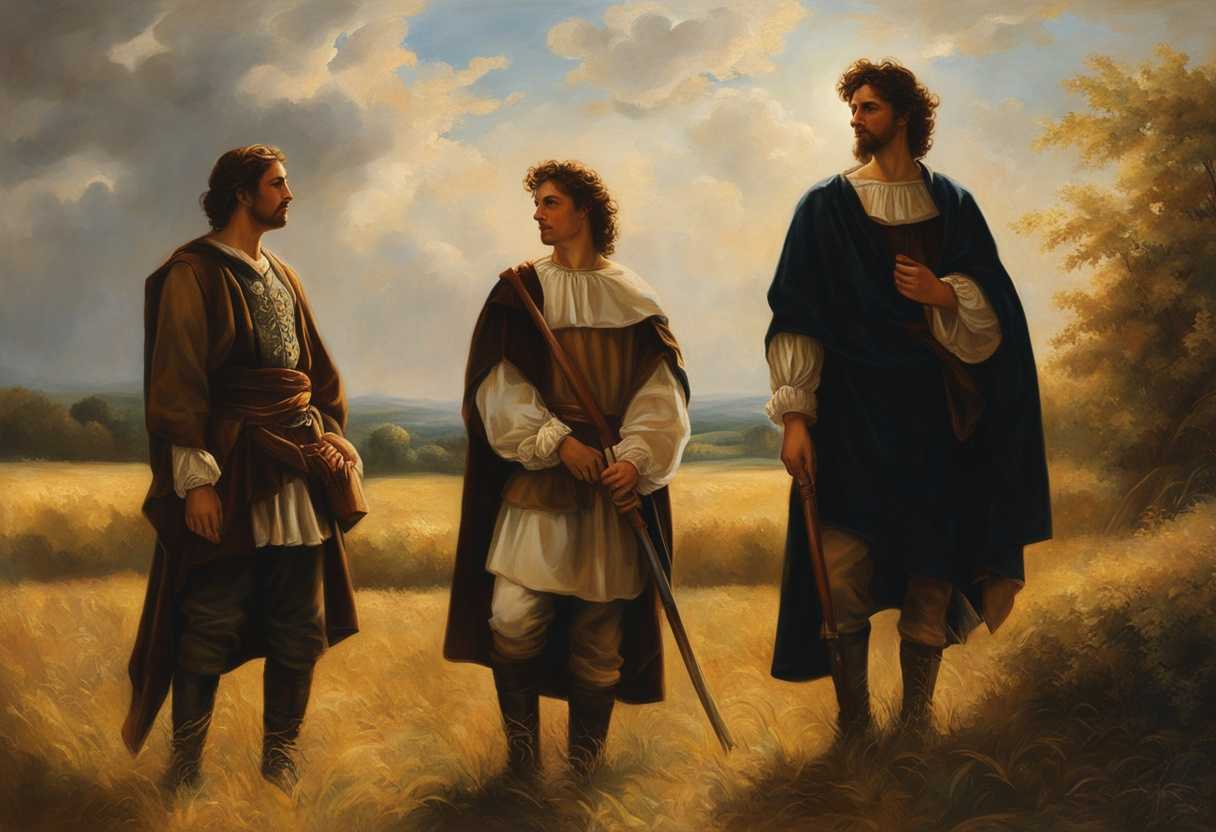
Setting the Scene for Matthew 13:38
In Matthew chapter 13, Jesus is teaching a large crowd by the Sea of Galilee. The scene is set on a beautiful sunny day, with the sparkling blue waters of the sea in the background and lush green hills surrounding the area. The crowd is a mix of people from all walks of life – fishermen, farmers, merchants, and families who have come to hear Jesus speak.
Among the crowd are also Jesus’ disciples, who have been traveling with him and witnessing his miracles and teachings. They are eager to learn from him and understand the deeper meanings behind his parables. Jesus begins to tell them the parable of the weeds among the wheat, explaining the concept of good and evil coexisting in the world and the ultimate judgment that will come.
As Jesus speaks, the crowd listens intently, some nodding in understanding while others furrow their brows in contemplation. The disciples, in particular, are focused on Jesus, hanging on his every word and eager to grasp the spiritual truths he is imparting to them. The atmosphere is one of reverence and curiosity, as Jesus continues to teach with wisdom and authority.
What is Matthew 13:38 about?
Imagine standing in a vast field with Jesus, listening to him share this parable. He paints a vivid picture of the world as a field filled with both good and bad elements. The good seed represents the people of God, individuals who are aligned with His kingdom and live according to His will. It symbolizes those who bear the fruit of righteousness and spread love, kindness, and compassion in the world.
However, the presence of weeds among the good seed signifies the evil forces at play in the world. These weeds represent the individuals who sow discord, hatred, and negativity. Jesus is teaching us that although there is evil in the world, goodness will ultimately prevail. God also allows good and evil to coexist until the final judgment, just as the farmer allows both the wheat and the weeds to grow together until the harvest. This parable urges us to strive to be the good seed, to shine brightly in a world filled with darkness, and trust that God’s justice will ultimately prevail.
Understanding what Matthew 13:38 really means
In Matthew 13:38, Jesus uses the Parable of the Weeds to illustrate the nature of the Kingdom of Heaven, employing agricultural imagery to convey profound spiritual truths. The field representing the world signifies that all of creation is the stage for God’s work and the unfolding of His Kingdom. Within this field, the good seed symbolizes those who follow Jesus and live according to His teachings, planted by God Himself. Conversely, the weeds represent individuals who oppose God’s will, influenced by evil forces. This dichotomy between good and evil is a fundamental aspect of the human experience, as highlighted in the coexistence of the ‘good seed’ and the ‘weeds’ in the parable.
The broader context of the Parable of the Weeds, found in Matthew 13:24-30, provides a comprehensive understanding of Jesus’ message about the Kingdom of Heaven. Additionally, related passages such as John 15:1-8, where Jesus describes Himself as the true vine and His followers as branches, emphasize the importance of remaining connected to Him to bear good fruit. Similarly, in Galatians 6:7-8, Paul discusses sowing to please the Spirit versus sowing to please the flesh, reinforcing the concept of spiritual sowing and reaping.
Today, the message of Matthew 13:38 remains relevant as we navigate a world where good and evil continue to coexist. Believers are encouraged to stand firm in their faith, knowing that God is aware of both the righteous and the wicked, and will ultimately bring about justice. Just as diligent gardeners tend to their plots amidst the presence of weeds, we are called to sow good seeds in our lives, trusting in God’s overarching plan and the eventual recognition and reward for our efforts.
Consider a community garden where individuals cultivate their plots, some flourishing with beauty and nourishment while others succumb to neglect and weeds. Despite the mix of diligence and apathy, the committed gardeners persevere, trusting in the eventual fruition of their labor. Likewise, in our lives, we encounter a blend of good and evil, yet we are urged to persist in sowing goodness, placing our faith in God’s ultimate design.
In conclusion, Matthew 13:38 prompts us to reflect on our role in God’s Kingdom amidst the presence of both good and evil in the world. It calls us to remain vigilant, faithful, and hopeful, trusting in God’s sovereignty and His promise of justice and redemption. As we navigate the complexities of life, may we continue to sow seeds of righteousness, knowing that God is orchestrating His Kingdom according to His perfect will.
How can we distinguish between the righteous and wicked?
Jesus explains in this verse that the righteous are like wheat, while the wicked are like weeds. The distinction between the two lies in their nature and their fruit. Wheat produces a valuable crop that nourishes and sustains, representing the good deeds and character of the righteous. On the other hand, weeds are destructive and hinder the growth of the wheat, symbolizing the harmful actions and intentions of the wicked.
The analogy of wheat and weeds helps us understand that righteousness and wickedness are revealed through our actions and the impact we have on others. The righteous strive to bear good fruit and bring about positive change, whereas the wicked cause harm and promote selfish agendas. We can discern whether a person is walking in the ways of righteousness or following the path of wickedness by examining the fruits of their life. The distinction between the righteous and the wicked is not always immediately apparent ultimately. It requires discernment and a careful evaluation of a person’s character and conduct over time. The righteous and the wicked may coexist in society, but their true nature will eventually be revealed by the fruit they produce, just as wheat and weeds grow together in the field.
Application
In life, just like in the office or at family gatherings, we face constant challenges and obstacles. Are you prepared to armor up, defend your values, and resist negativity? Equip yourself with the strength of faith, the shield of prayer, and the support of your faith community. The battlefield of life demands your courage and action. Will you stand firm and rise to the occasion?

Reverend Michael Johnson is an experienced Church Minister with a profound expertise in spirituality and guidance. With a serene presence and a compassionate heart, he has faithfully served his congregation for over 20 years, leading them on a spiritual journey towards inner peace and enlightenment. Reverend Johnson’s extensive knowledge of religious philosophies and profound understanding of human nature have made him a trusted confidant and mentor to many, as he seamlessly weaves his profound wisdom into life teachings. Reverend Johnson’s calming demeanor and empathetic nature continue to uplift and heal souls, nurturing a sense of unity and tranquility within his community.