
Numbers 15:27-28 is about acknowledging the potential for unintentional sin among God’s people and the importance of making atonement through sacrifices and seeking forgiveness and mercy from the Lord.
27 “If one person sins unintentionally, he shall offer a female goat a year old for a sin offering.”
28 And the priest shall make atonement before the Lord for the person who makes a mistake, when he sins unintentionally, to make atonement for him, and he shall be forgiven.
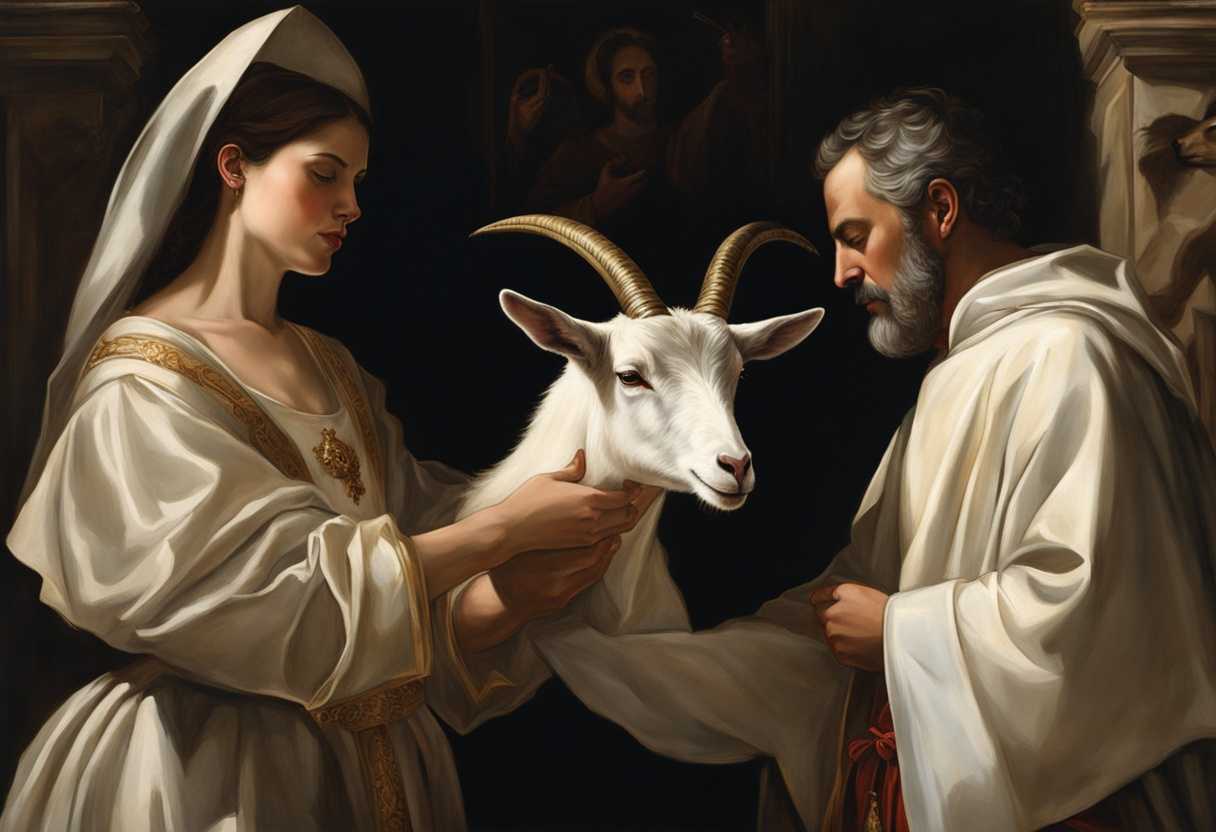
Setting the Scene for Numbers 15:27-28
In the book of Numbers, chapter 15, we find the Israelites in the wilderness during their journey from Egypt to the Promised Land. The scene is set in the camp of the Israelites, with Moses, Aaron, and the congregation gathered together. The Israelites had been instructed by God to offer sacrifices for unintentional sins they may have committed. In this particular scenario, a person had unknowingly sinned, and upon realizing their mistake, they brought their offering to the tabernacle.
Moses and Aaron, as the leaders of the Israelites, oversaw the process of the individual presenting their offering. The atmosphere in the camp was solemn yet filled with a sense of reverence for God’s commandments. The tabernacle, with its intricate design and sacred items, served as the backdrop for this important moment of atonement. As the offering was made, the congregation stood by, witnessing the act of repentance and seeking forgiveness from God for the unintentional transgression.
The scene captures the essence of the Israelites’ journey towards spiritual renewal and obedience to God’s laws. It highlights the importance of acknowledging and seeking forgiveness for sins, whether intentional or unintentional, and the role of sacrifices in the process of atonement. The presence of Moses and Aaron symbolizes the leadership and guidance provided to the Israelites as they navigate through challenges and seek to maintain their covenant with God.
What is Numbers 15:27-28 about?
The concept of atonement for unintentional sin is highlighted in these verses. The text emphasizes the importance of acknowledging our mistakes, seeking forgiveness, and making amends. It shows that even when we do not intend to sin, we are still called to take responsibility for our actions and seek reconciliation with God. Through the act of sacrifice, we are reminded of the seriousness of sin and the need for repentance. This process of atonement serves as a means of seeking forgiveness and restoring our relationship with God.
Reflect on the idea that forgiveness and mercy are available to us even in moments of unintentional wrongdoing. The grace of God allows us to be forgiven, despite our faults and shortcomings. We can approach God with humility and a contrite heart, knowing that His mercy is abundant, just as the Israelites were instructed to offer sacrifices for their unintentional sins. Let these verses serve as a reminder of the loving and forgiving nature of God, and as an invitation to seek His forgiveness and grace in all aspects of our lives.
Understanding what Numbers 15:27-28 really means
In the Book of Numbers, amidst the journey of the Israelites through the wilderness, we encounter a passage that delves into the laws given by God to Moses concerning offerings for unintentional sins. “Unintentional sin” refers to actions committed without the intent to disobey God’s commandments, underscoring human fallibility and the recognition that errors can occur without malicious intent. The requirement of offering “a female goat a year old for a sin offering” symbolizes the significance of atonement and the tangible act necessary to seek forgiveness. Moreover, the directive that “the priest shall make atonement” underscores the priest’s role as an intermediary between the people and God, emphasizing the importance of spiritual leadership and guidance.
In parallel with these teachings, Leviticus 4:27-31 also discusses offerings for unintentional sins, reinforcing the concept of atonement and outlining the procedures for seeking forgiveness. Transitioning to the New Testament, Hebrews 9:7 reflects on the high priest entering the Holy of Holies annually with blood for his own sins and those of the people, drawing a connection to the practices outlined in the Old Testament. These passages collectively emphasize the enduring importance of atonement, repentance, and seeking forgiveness in the relationship between humanity and the divine.
The relevance of these teachings persists today, acknowledging human imperfection and the universal need for grace. While contemporary practices may differ from the ancient rituals described, the underlying principles of repentance, forgiveness, and spiritual guidance remain paramount. Consider a child accidentally breaking a neighbor’s window while playing – though unintended, the damage necessitates acknowledgment and steps towards reconciliation. In a similar vein, these verses prompt us to recognize that even unintentional wrongs require acknowledgment and efforts towards restoration, mirroring the importance of seeking forgiveness and making amends.
Ultimately, the verses from Numbers serve as a poignant reminder of the significance of recognizing our mistakes, intentional or not, and the imperative of atonement. They underscore the pivotal role of spiritual leaders in guiding us towards forgiveness and reconciliation, highlighting the timeless principles of repentance and seeking forgiveness that are applicable in our daily lives. These teachings encourage us to cultivate harmonious relationships with others and with God, fostering a spirit of humility, grace, and reconciliation in our interactions and spiritual journey.
How can we find forgiveness and reconciliation with God?
The verse guides us to acknowledge our sins and mistakes before God in seeking forgiveness and reconciliation. This involves openly confessing our wrongdoing and expressing genuine remorse for our actions. We demonstrate humility and a desire to mend our relationship with God by taking responsibility for our sins and seeking His forgiveness with a contrite heart.
Furthermore, the verse underscores the importance of making amends for our transgressions. It highlights the significance of offering a sin offering as a way to seek reconciliation with God. This act of atonement symbolizes our commitment to rectifying our wrongs, making restitution, and striving to restore our relationship with God. It serves as a tangible expression of our repentance and our desire to be forgiven by Him. A sincere and humble approach ultimately involves finding forgiveness and reconciliation with God. We demonstrate our readiness to repair our relationship with God and seek His mercy and grace by acknowledging our sins, expressing genuine remorse, and taking steps to make amends. This verse provides a blueprint for seeking forgiveness and reconciliation with God, emphasizing the importance of confession, repentance, and making amends as key steps in the process.
Application
Embrace the power of obeying God’s commands in your life; it is the anchor that guides you like a lighthouse amidst the stormy seas of the modern world. Just as you fulfill responsibilities at work and nurture your family, prioritize following God’s teachings as the ultimate cornerstone of your existence. Let obedience be your compass, steering you towards a life of righteousness and fulfillment. Will you choose to walk in the light of God’s word today?

Reverend Michael Johnson is an experienced Church Minister with a profound expertise in spirituality and guidance. With a serene presence and a compassionate heart, he has faithfully served his congregation for over 20 years, leading them on a spiritual journey towards inner peace and enlightenment. Reverend Johnson’s extensive knowledge of religious philosophies and profound understanding of human nature have made him a trusted confidant and mentor to many, as he seamlessly weaves his profound wisdom into life teachings. Reverend Johnson’s calming demeanor and empathetic nature continue to uplift and heal souls, nurturing a sense of unity and tranquility within his community.