
1 Wisdom has built her house; she has hewn her seven pillars.
2 She has slaughtered her beasts; she has mixed her wine; she has also set her table.
3 She has sent out her young women to call from the highest places in the town,
4 “Whoever is simple, let him turn in here!”
5 “Come, eat of my bread and drink of the wine I have mixed.”
6 Leave your simple ways, and live, and walk in the way of insight.
7 Whoever corrects a scoffer gets himself abuse,
and he who reproves a wicked man incurs injury.
8 Do not reprove a scoffer, or he will hate you; reprove a wise man, and he will love you.
9 Give instruction to a wise man, and he will be still wiser; teach a righteous man, and he will increase in learning.
10 The fear of the Lord is the beginning of wisdom,
and the knowledge of the Holy One is insight.
11 For by me your days will be multiplied,
and years will be added to your life.
12 If you are wise, you are wise for yourself;
if you scoff, you alone will bear it.
13 The woman Folly is loud; she is seductive and knows nothing.
14 She sits at the door of her house; she takes a seat on the highest places of the town,
15 calling to those who pass by, who are going straight on their way,
16 “Whoever is simple, let him turn in here!”
17 “Stolen water is sweet, and bread eaten in secret is pleasant.”
18 But he does not know that the dead are there,
that her guests are in the depths of Sheol.
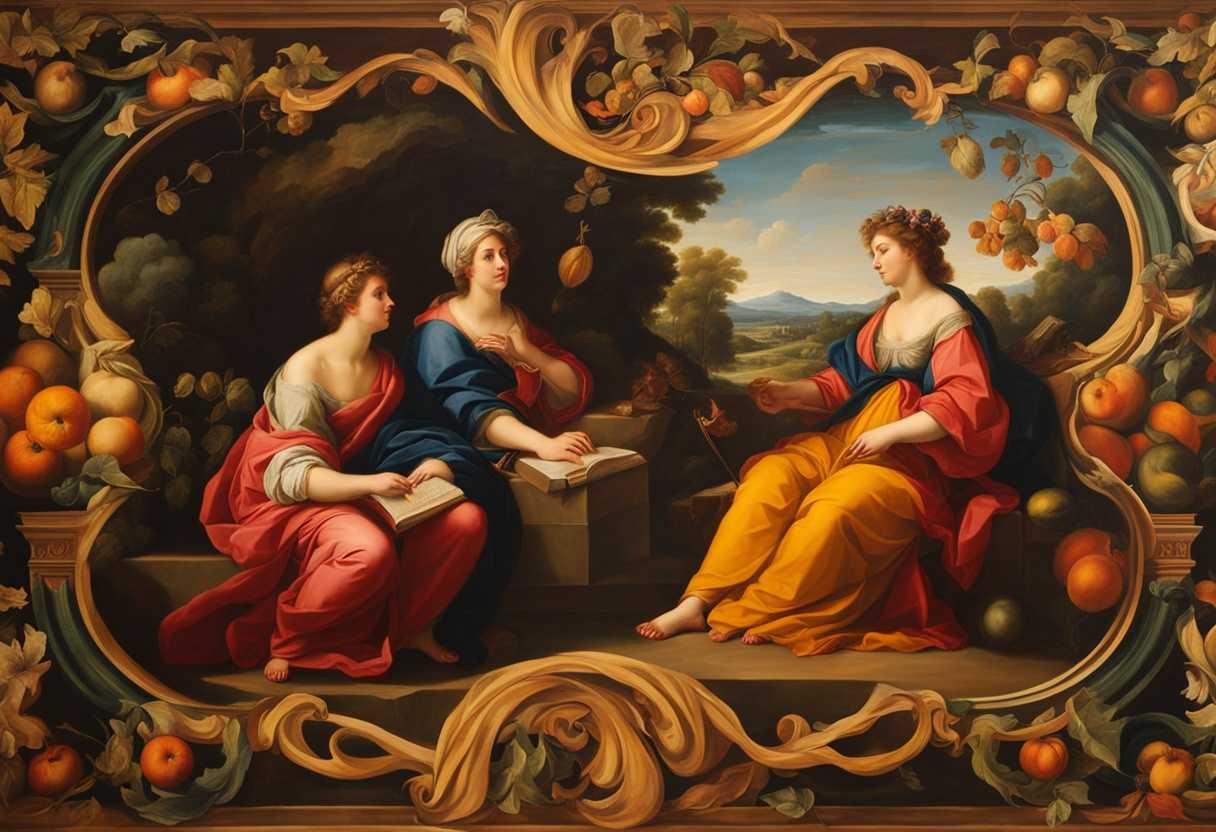
The True Meaning of Proverbs 9
The Book of Proverbs is believed to have been written by King Solomon, the wisest and most prosperous king of ancient Israel. Solomon offers guidance on the importance of wisdom and the consequences of rejecting it in this chapter.
The chapter begins by contrasting the invitations of Wisdom and Folly, personified as two women vying for the attention of the simple and the naive. Wisdom calls out to those who seek understanding, while Folly entices the unsuspecting with the promise of easy pleasures. This sets the stage for a pivotal moment, as the reader is challenged to choose between the path of righteousness and the path of destruction.
Throughout the passage, Solomon draws upon his deep understanding of the human condition, echoing themes found in other biblical books such as Ecclesiastes and the Psalms. He reminds us that the fear of the Lord is the beginning of wisdom, and that those who reject Wisdom’s call will ultimately face the consequences of their choices.
Proverbs 9:1-6
Proverbs 9:1-6 presents a vivid picture of wisdom and folly personified as two women who invite people to their homes. The first part of this passage describes Wisdom as a strong and capable woman who has built her house with seven pillars. This imagery suggests stability, strength, and abundance. It symbolizes that wisdom is rooted in a solid foundation, and it is a foundation that provides support and sustenance. This portrayal of Wisdom reflects the divine wisdom found in God, who is the source of all true wisdom and understanding.
On the other hand, Folly is depicted as loud, seductive, and lacking knowledge. She sits at the door of her house, calling out to those who pass by, inviting them to come in. Folly represents the temptations and deceptions of the world that lead people astray from the path of righteousness and truth. Her house is described as lacking stability, with no firm foundation, mirroring the consequences of following the ways of folly – a life built on shifting sands that will ultimately lead to destruction.
The invitation extended by Wisdom is a call to partake of a feast that she has prepared. This feast is not merely literal food but spiritual nourishment, symbolizing the deeper truths and insights that wisdom offers to those who seek it. Folly offers stolen water and bread eaten in secret, which speaks to the emptiness and fleeting pleasure that comes from following a path of foolishness and sin.
The ultimate message conveyed in these verses is the importance of choosing wisdom over folly. The invitation to Wisdom’s house is open to all who are willing to listen and learn, regardless of their background or status. It is a call to embrace God’s wisdom and allow it to guide our decisions and actions. The seductive call of Folly leads to destruction and death in contrast. This choice between wisdom and folly is a recurring theme in the Bible, where characters like King Solomon are praised for seeking wisdom from God (1 Kings 3:9), while others like King Rehoboam face ruin due to their foolishness (1 Kings 12:8).
Therefore, Proverbs 9:1-6 serves as a powerful reminder to prioritize seeking wisdom, understanding, and knowledge that align with God’s will, rather than being lured by the temporary pleasures and deceptions of the world. It underscores the timeless message that true wisdom comes from God and leads to life, while folly leads to destruction.
Proverbs 9:7-12
The passage in Proverbs 9:7-12 can be broken down into two main sections: dealing with a mocker and embracing wisdom. In verses 7-9, it talks about how correcting a mocker can invite insults and hatred upon oneself. The Bible warns against trying to persuade someone who is openly hostile to wisdom and correction, as this person may only respond with further mockery and rejection of truth. This is a cautionary reminder for us to be discerning when sharing the message of God’s wisdom, as not everyone will be receptive to it. Prophets and messengers faced ridicule and scorn for speaking the truth in numerous instances within the grand scheme of biblical narratives. For instance, the prophet Jeremiah faced severe backlash and ridicule for delivering God’s messages to an unrepentant nation. However, Jeremiah’s faithfulness in the face of mockery teaches us the importance of perseverance and commitment to sharing God’s wisdom, even in the most challenging circumstances.
Moving on to verses 10-12, it emphasizes the importance of embracing wisdom and knowledge. The passage highlights that fearing the Lord is the beginning of wisdom and knowledge of the Holy One is understanding. This reaffirms the recurring theme in Proverbs and throughout the Bible that true wisdom comes from a reverence and fear of God. The fear of the Lord does not imply being scared of God but rather having deep respect, awe, and submission to His will. This reverence leads to a life of discernment, righteousness, and understanding. Proverbs 3:5-6 echoes a similar sentiment, advising believers to trust in the Lord with all their hearts and lean not on their own understanding, acknowledging Him in all their ways so He can direct their paths. We can navigate life’s challenges with a firm foundation rooted in His truth by leaning on God for wisdom and understanding. Proverbs 9:7-12 serves as a poignant reminder of the importance of discernment in sharing wisdom and the value of embracing God’s truth. It cautions us against wasting efforts on those who reject wisdom, while also urging us to seek and honor God’s wisdom in our own lives. This passage underscores the timeless message that true wisdom comes from a humble and reverent heart that acknowledges the Lord as the source of all understanding. Let us heed this wisdom and strive to deepen our own relationship with God by seeking His wisdom above all else as we interact with others.
Proverbs 9:13-18
The passage in Proverbs 9:13-18 focuses on the contrast between two women – the wise woman who represents wisdom, and the foolish woman who represents folly. The verse starts by describing the foolish woman as loud, undisciplined, and lacking in knowledge. She is depicted as one who sits at the door of her house, calling out to those who pass by, inviting them to come in and partake of stolen pleasures.
The foolish woman symbolizes temptation, deceit, and the allure of sinful ways. She appeals to the simple-minded and those lacking discernment, offering temporary gratification at the cost of long-term consequences. This portrayal serves as a warning against falling prey to the deceitful charms of wickedness and highlights the importance of seeking wisdom and discernment to avoid making destructive choices.
On the other hand, the passage contrasts the foolish woman with the wise woman. The wise woman is depicted as understanding, knowledgeable, and virtuous. She prepares a feast, sends out invitations, and calls from the highest point of the city, welcoming all who are willing to come and partake of her wisdom and insight.
This contrast between the two women serves as a powerful lesson about the importance of choosing the path of wisdom over folly. It underscores the different outcomes that result from following either path and emphasizes the benefits of seeking wisdom and understanding in all aspects of life. This echoes the recurring theme in the Bible of choosing between good and evil, wisdom and foolishness, righteousness and wickedness.
The passage in Proverbs 9:13-18 aligns with other verses in the Bible that exhort believers to pursue wisdom and discernment. Proverbs 4:7 states, “The beginning of wisdom is this: Get wisdom. Though it cost all you have, get understanding.” This reinforces the idea that acquiring wisdom is of utmost importance and should be valued above all else. Proverbs 9:13-18 serves as a poignant reminder to be cautious of the enticements of folly and to actively seek after wisdom and understanding. It encourages readers to make wise choices, to discern between right and wrong, and to align their lives with the teachings of God to lead a fulfilling and righteous existence.
After Proverbs 9
Wisdom and Folly both call out to the people, inviting them to their respective feasts. Wisdom offers a feast of understanding and life, while Folly offers a feast of ignorance and death. The choice is clear – we must choose between the path of righteousness and the path of wickedness.
But the story does not end here. We will see the consequences of the choices we make in the next chapter. For those who heed the call of Wisdom, there is a promise of blessings and prosperity. But for those who succumb to the temptations of Folly, there is a warning of the dire consequences that await them. The choice is ours, and the stakes could not be higher.

Reverend Michael Johnson is an experienced Church Minister with a profound expertise in spirituality and guidance. With a serene presence and a compassionate heart, he has faithfully served his congregation for over 20 years, leading them on a spiritual journey towards inner peace and enlightenment. Reverend Johnson’s extensive knowledge of religious philosophies and profound understanding of human nature have made him a trusted confidant and mentor to many, as he seamlessly weaves his profound wisdom into life teachings. Reverend Johnson’s calming demeanor and empathetic nature continue to uplift and heal souls, nurturing a sense of unity and tranquility within his community.