
14 He causes the grass to grow for the livestock
and plants for man to cultivate,
that he may bring forth food from the earth
and wine to gladden the heart of man,
oil to make his face shine
and bread to strengthen man’s heart.
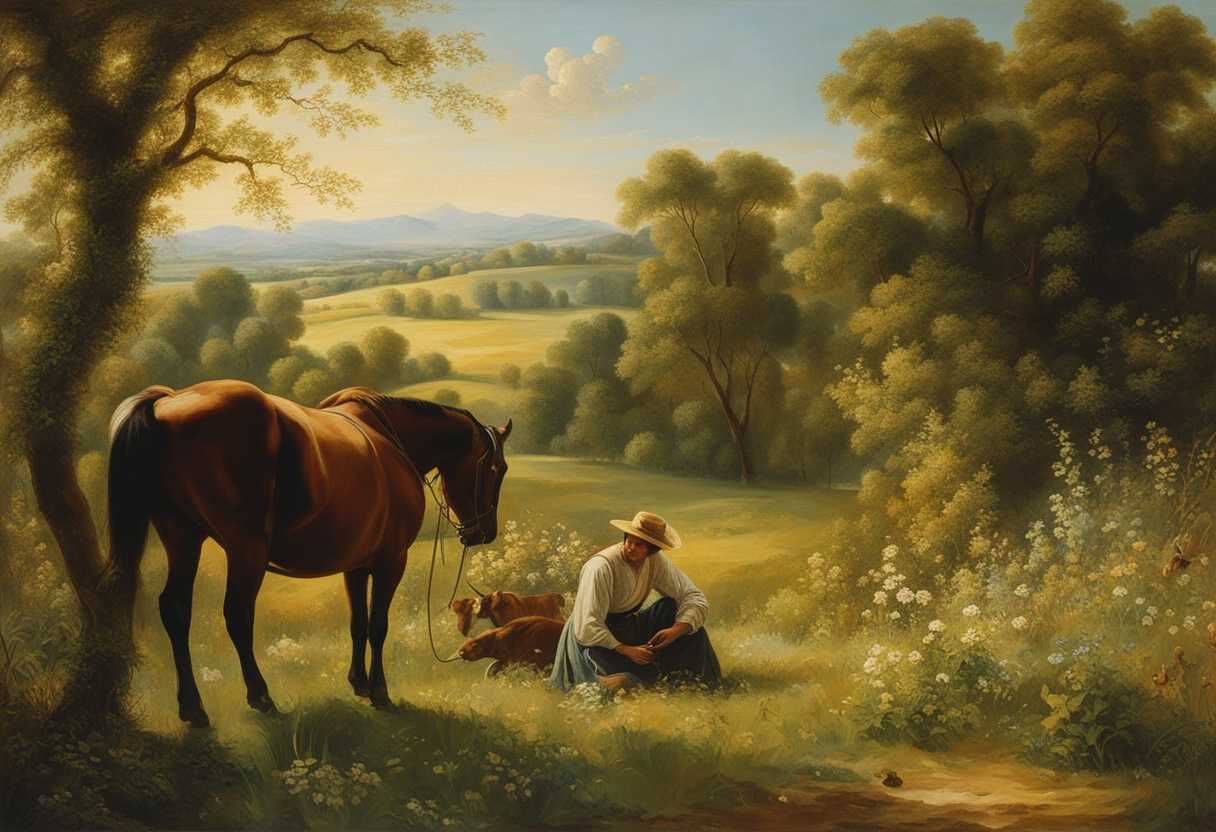
Setting the Scene for Psalms 104:14
The scene described in Psalms 104:14 is a beautiful and bountiful depiction of God’s provision for His creation. Picture a lush and vibrant meadow, filled with colorful wildflowers swaying gently in the breeze. The sun is shining brightly overhead, casting a warm and golden glow over the scene. In the distance, a crystal-clear stream meanders through the meadow, its waters glistening in the sunlight.
In this idyllic setting, we find a group of people gathered together in awe and wonder at the beauty of God’s creation. Among them are David, the author of the psalm, and his companions. They have come to this peaceful meadow to meditate on the goodness of God and to give thanks for His abundant provision. As they look around at the flourishing vegetation and the abundance of food that God has provided, their hearts are filled with gratitude and praise.
The air is filled with the sweet fragrance of wildflowers, and the sound of birds singing fills the air. The group sits together in a circle, sharing stories of God’s faithfulness and marveling at the intricate beauty of the natural world around them. In this moment of communion with nature, they are reminded of God’s sovereignty and His loving care for all of His creation.
What is Psalms 104:14 about?
This verse highlights the role of God as the provider of sustenance for all living beings. It emphasizes how God cares for both animals and humans by providing them with the necessary resources for their survival. God ensures that His creations have food to eat and resources to sustain themselves by making grass grow for the cattle and plants for people to cultivate.
Just imagine the intricate care and planning that goes into ensuring that every living being on this earth has access to the basic necessities of life. From the tiniest blade of grass to the most magnificent tree, everything is created and sustained by the divine hand of God. This verse serves as a reminder of God’s continuous provision and care for His creations, showcasing His abundant love and generosity towards all living beings. Reflecting on this verse can inspire gratitude for the bountiful blessings that God has bestowed upon us, and it can also prompt us to be mindful stewards of the resources that God has entrusted to us.
Understanding what Psalms 104:14 really means
Structure:
- Introduction
- Explanation of Key Phrases
- Biblical Cross-References
- Relevance to Modern Life
- Anecdote for Illustration
- Reflective Questions
- We find a beautiful hymn that praises God’s creation and providence in Psalms 104. Verse 14 specifically speaks to how God provides for both humans and animals through the natural world. This verse captures the essence of God’s care and meticulous provision, reminding us of our dependence on Him.
Explanation of Key Phrases:
The phrase “He causes the grass to grow for the cattle” highlights God’s role as the ultimate provider. It is not merely a natural process but a divine orchestration. The grass growing for the cattle signifies that even the most basic needs of animals are met by God’s hand. Similarly, “plants for man to cultivate” points to human responsibility and partnership with God in tending the earth. It speaks to the harmonious relationship intended between humanity and nature.
Biblical Cross-References:
This theme is echoed in other parts of Scripture. For example, in Genesis 1:29, God provides every seed-bearing plant and tree for food. Also, in Matthew 6:26, Jesus reminds us that God feeds the birds of the air, reinforcing the idea that God’s provision for all creatures is ongoing and reliable. These references help us see a consistent message of God’s sustenance throughout the Bible. This verse is incredibly relevant in today’s world, where ecological concerns and sustainability are paramount. It reminds us that the natural world is a gift from God, and we are stewards of His creation. The acknowledgment of God’s provision can inspire us to take better care of the environment and appreciate the resources we often take for granted. A farmer who trusts in God for the growth of his crops can be considered. Despite the uncertainties of weather and pests, he knows that ultimately, the growth of his plants is in God’s hands. This trust and reliance on God can be a powerful testimony. One year, facing a severe drought, this farmer continued to pray and work diligently. Miraculously, his crops flourished more than anyone else’s in the region, showcasing God’s provision and care.
Reflective Questions:
How often do we acknowledge God’s hand in the food we eat and the resources we use daily? Do we see our role as stewards of His creation, ensuring that we cultivate and care for it responsibly? How can we better align our lives with the understanding that God is the ultimate provider?
Conclusion:
Psalms 104:14 is a reminder of God’s intricate care for His creation, from the grass that feeds cattle to the plants cultivated by humans. It calls us to recognize and appreciate His provision, urging us to live responsibly as stewards of His abundant gifts. Today, let us reflect on how we can honor God by taking care of the environment and trusting in His continual provision.
This verse invites us to see the divine in the mundane and to cultivate a heart of gratitude and responsibility. Let’s carry this understanding into our daily lives, acknowledging God’s hand in all that sustains us.
What is my role in caring for God’s creation?
Your role in caring for God’s creation is to recognize that God provides abundantly for all living creatures. God’s provision is abundant and sustains all life on earth, as illustrated in Psalms 104:14 where it mentions God causing grass to grow for the cattle and plants for people to cultivate, just as the psalmist described. Therefore, your responsibility is to appreciate and respect the intricate balance and beauty of God’s creation. You acknowledge God’s role as the ultimate provider of all resources, so it becomes your duty to be good stewards of the earth and its inhabitants. This involves making conscious choices in your daily life to minimize harm to the environment and to preserve and protect the diversity of God’s creation. You, as a caretaker of the earth, are called to advocate for environmental justice, promote sustainability, and ensure that future generations inherit a world that reflects God’s goodness and generosity. Your actions, no matter how small, can contribute to the well-being of the planet and all its creatures, reflecting your gratitude for God’s bountiful provision.
Application
Think of your life as a bustling workplace and your family as a thriving garden. Psalms 104:14 reminds us that God is the ultimate provider, ensuring everything we need is within reach. Show your gratitude by managing well what you’ve been given—just like acing your job or nurturing family bonds. Step up and be a caretaker of the earth He entrusted to us. How will you honor this call and make a tangible difference today?

Reverend Michael Johnson is an experienced Church Minister with a profound expertise in spirituality and guidance. With a serene presence and a compassionate heart, he has faithfully served his congregation for over 20 years, leading them on a spiritual journey towards inner peace and enlightenment. Reverend Johnson’s extensive knowledge of religious philosophies and profound understanding of human nature have made him a trusted confidant and mentor to many, as he seamlessly weaves his profound wisdom into life teachings. Reverend Johnson’s calming demeanor and empathetic nature continue to uplift and heal souls, nurturing a sense of unity and tranquility within his community.