
1 Praise the Lord!
Praise, O servants of the Lord,
praise the name of the Lord!
2 Blessed be the name of the Lord from this time forth and forevermore!
3 From the rising of the sun to its setting, the name of the Lord is to be praised!
4 The Lord is high above all nations,
and his glory above the heavens!
5 Who is like the Lord our God, who is seated on high,
6 who humbles himself to behold
the things that are in heaven and in the earth!
7 He raises the poor from the dust
and lifts the needy from the ash heap,
8 to seat them with princes,
with the princes of his people.
9 He gives the barren woman a home,
making her the joyous mother of children.
Praise the Lord!
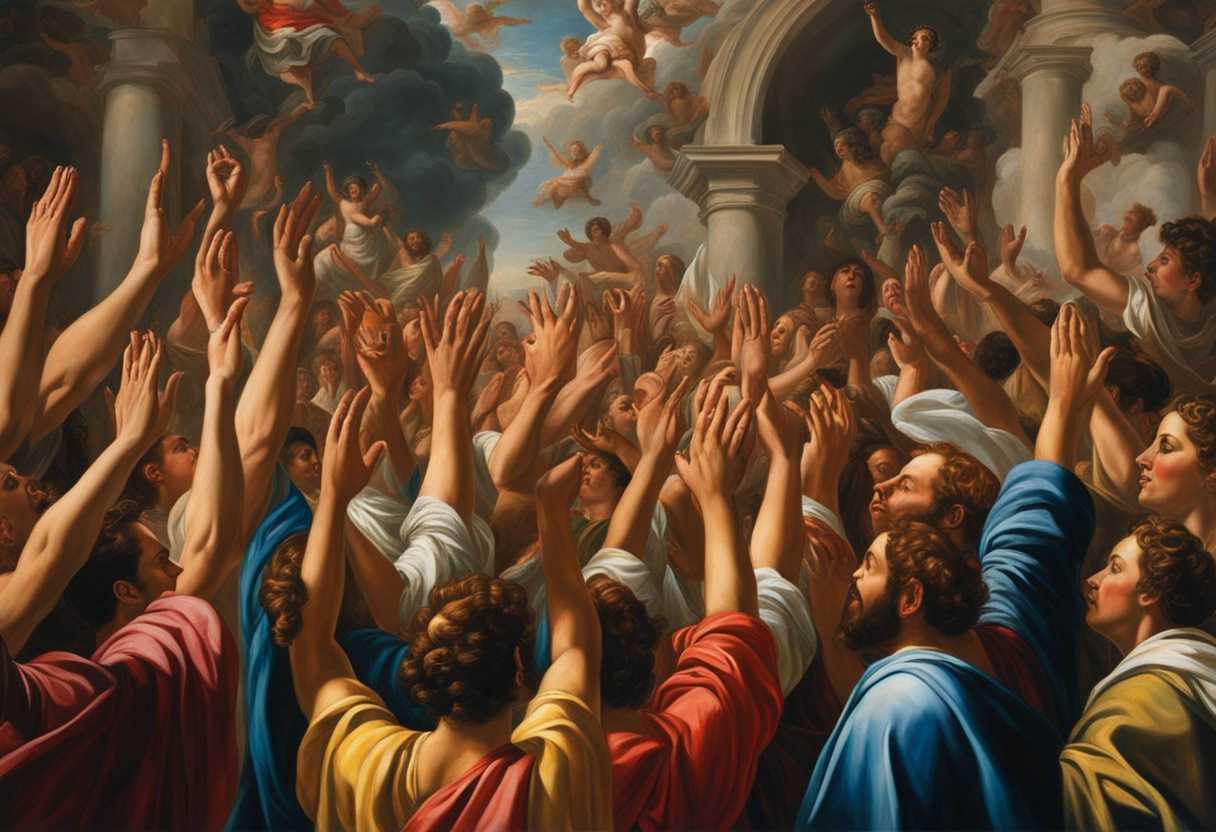
The True Meaning of Psalms 113
The Book of Psalms is a collection of sacred songs and prayers attributed to various authors, including King David, the renowned shepherd-turned-king of ancient Israel. Psalm 113 is a hymn of praise, exalting the greatness and compassion of the Almighty God. The psalmist in this chapter calls upon the people to worship and glorify the Lord, who is high above all nations and whose glory is beyond the heavens. The passage highlights God’s sovereignty, His concern for the poor and needy, and His power to transform the lives of those who trust in Him. These themes echo the sentiments expressed in other beloved psalms, such as Psalm 103, which declares, “The Lord is merciful and gracious, slow to anger and abounding in steadfast love” (Psalm 103:8). We will witness the psalmist’s profound reverence for the Lord as we delve into Psalm 113, who raises the poor from the dust and lifts the needy from the ash heap. This chapter serves as a powerful reminder of God’s unwavering love and His desire to uplift the downtrodden, a theme that resonates throughout the Scriptures, from the Mosaic law to the teachings of Jesus Christ.
Psalms 113:1-3
The verse in Psalms 113:1-3 reads: “Praise the Lord! Praise, O servants of the Lord, praise the name of the Lord! Blessed be the name of the Lord from this time forth and forevermore! From the rising of the sun to its setting, the name of the Lord is to be praised.”
The first section of this verse begins with a call to praise the Lord. The psalmist urges all servants of the Lord to lift their voices in praise and adoration of His name. This declaration sets the tone for the rest of the passage, emphasizing the importance of giving glory to God.
The act of praising God is a recurring theme throughout the Bible, underscoring the significance of acknowledging and revering the Lord for His greatness and goodness. You praise Him; He is your God who performed those great and awesome wonders you saw with your own eyes.” This verse emphasizes the idea of praising God for His mighty works and wonders, illustrating the concept of gratitude and worship.
Moving forward, the text continues with “Blessed be the name of the Lord from this time forth and forevermore!” This statement is a powerful declaration of the eternal nature of God’s glory and goodness. It conveys the idea that God’s name is worthy of praise not only in the present moment but for all time. This eternal aspect of God’s blessing and praise highlights His unchanging nature and everlasting presence in the lives of His people.
Throughout the Bible, there are numerous instances where the name of the Lord is exalted and revered. The verse in Psalm 145:2 states, “I will bless you and praise your name every day forever and ever.”” This verse echoes the sentiment expressed in Psalms 113, emphasizing the perpetual nature of praise and exaltation of God’s name.
The final section of the verse declares, “From the rising of the sun to its setting, the name of the Lord is to be praised.” This imagery symbolizes the universality of God’s praise. It signifies that God’s name should be exalted at all times and in all places, from east to west. This depiction of continuous praise reinforces the idea of worship as a constant, ongoing act that transcends temporal boundaries. Various nations and peoples in the Bible worship and praise God in numerous references. “My name will be great among the nations, and in every place incense will be offered to my name, and a pure offering is written in Malachi 1:11.”” This verse reflects the idea that God’s name is to be revered and worshipped by all nations, emphasizing the universal nature of His praise. Psalms 113:1-3 serves as a reminder of the importance of praising and exalting the name of the Lord. It highlights the eternal nature of God’s glory and the universal aspect of His praise, urging all believers to lift their voices in adoration of His name. Individuals can cultivate a spirit of worship and gratitude towards God by understanding and embodying the message conveyed in these verses, acknowledging His greatness and goodness in their lives.
Psalms 113:4-6
The verse in Psalms 113:4-6 reads, “The Lord is exalted over all the nations, his glory above the heavens.” Who is like the Lord our God, the One who sits enthroned on high, who stoops down to look on the heavens and the earth?”
This verse is a powerful declaration of the sovereignty and greatness of God. It begins by emphasizing that the Lord is exalted over all the nations, highlighting his authority and power. This notion of God being above all nations is a recurring theme throughout the Bible, emphasizing that God’s rule is universal and extends beyond any earthly boundaries. This sets the stage for the recognition that God’s glory surpasses even the heavens, showcasing his majesty and supremacy over all creation.
The question posed in the following line, “Who is like the Lord our God,” is a rhetorical question that drives home the unmatched greatness of God. It invites the reader to contemplate the uniqueness and incomparability of God. This question is reminiscent of other passages in the Bible that emphasize God’s unmatched nature, such as Isaiah 40:25, which states, “To whom will you compare me? Or who is my equal?” This rhetorical device serves to emphasize that there is no one like the Lord – He stands alone in his attributes and character.
The imagery of God “sitting enthroned on high” conveys a sense of authority, power, and majesty. Throughout the Bible, the image of God being seated on a throne is a symbol of his kingship and rule over all creation. This imagery is seen in Isaiah 6:1, where Isaiah sees the Lord seated on a throne, high and exalted, surrounded by heavenly beings. It emphasizes the transcendence and sovereignty of God.
Furthermore, the verse highlights the paradoxical nature of God’s greatness – while exalted on high and ruling over all, God also stoops down to look on the heavens and the earth. This notion of God stooping down symbolizes his condescension and care for his creation. It demonstrates God’s intimate involvement with his creation, despite his exalted position. This aspect of God’s character is seen throughout the Bible, particularly in the person of Jesus Christ, who, though being God, humbled himself to come to earth and dwell among humanity (Philippians 2:6-8). Psalms 113:4-6 serves as a powerful declaration of God’s sovereignty, greatness, and care for his creation. It encourages us to reflect on the unmatched nature of God, his exalted position over all nations, and his willingness to stoop down to care for us. It reminds us that God is not only a God of power and authority but also a God of love and compassion, intimately involved in the lives of his people.
Psalms 113:7-9
The psalmist exalts the greatness of God in Psalms 113:7-9, specifically His care for the poor and needy. Let’s break down these verses to uncover their meaning in the context of the entire psalm.
“7. He raises the poor from the dust and lifts the needy from the ash heap;
8. he seats them with princes, with the princes of his people.
9. He settles the childless woman in her home as a happy mother of children. Praise the Lord. God is depicted as the One who uplifts the downtrodden in verse 7. The imagery of raising the poor from the dust and lifting the needy from the ash heap conveys the idea of God’s compassion and power in elevating those who are marginalized and oppressed in society. This theme of God’s special concern for the poor and needy is echoed throughout the Bible, particularly in the teachings of Jesus in the New Testament. For instance, in Luke 4:18-19, Jesus quotes Isaiah 61:1-2, proclaiming that He has come to preach good news to the poor, bind up the brokenhearted, and proclaim freedom for the captives.
Moving on to verse 8, we find an extraordinary promise – God not only elevates the poor and needy but also raises them to a position of honor and authority. The psalmist envisions God placing them “with princes, with the princes of his people.” This highlights a theme of divine reversal that is widespread in the Bible, where the lowly are exalted and the powerful are brought low. Jesus often spoke about this reversal in His teachings, such as in the Beatitudes (Matthew 5:3-12) where He blesses the poor in spirit, the meek, and those who hunger and thirst for righteousness. God settles the childless woman in her home as a happy mother of children in verse 9, shifting the focus to a specific example of His miraculous work.” This verse speaks to God’s ability to bring joy and fulfillment to those who are experiencing lack or grief. The image of a barren woman becoming a joyful mother underscores God’s power to transform seemingly impossible situations into blessings. This theme of divine intervention in matters of fertility can be seen throughout the Bible, from the stories of Sarah (Genesis 21:1-7), Rebekah (Genesis 25:21), and Hannah (1 Samuel 1) in the Old Testament to the birth of John the Baptist to Zechariah and Elizabeth in the New Testament (Luke 1:5-25). Psalms 113:7-9 conveys a powerful message about God’s character as a compassionate and mighty God who intervenes in the lives of the vulnerable, exalts the humble, and brings joy to the sorrowful. The psalmist’s call to “Praise the Lord” serves as a reminder for us to remember and celebrate God’s faithfulness and goodness in all circumstances, especially in our times of need. This psalm encourages us to trust in God’s provision, to seek justice for the oppressed, and to praise Him for His unfailing love and mercy.
After Psalms 113
The reverend stood before the congregation, his voice carrying the weight of the words he was about to share. The Psalmist extols the greatness of our God, who reigns supreme over all creation. Yet, this same God stoops to lift up the lowly and poor, showing compassion to those in need. This compassionate God calls us to act with justice and mercy, to be a light in the darkness for those who suffer in the next chapter. Let us take these lessons to heart and strive to reflect the love of our Lord in all that we do.”

Reverend Michael Johnson is an experienced Church Minister with a profound expertise in spirituality and guidance. With a serene presence and a compassionate heart, he has faithfully served his congregation for over 20 years, leading them on a spiritual journey towards inner peace and enlightenment. Reverend Johnson’s extensive knowledge of religious philosophies and profound understanding of human nature have made him a trusted confidant and mentor to many, as he seamlessly weaves his profound wisdom into life teachings. Reverend Johnson’s calming demeanor and empathetic nature continue to uplift and heal souls, nurturing a sense of unity and tranquility within his community.