
1 When Israel went out from Egypt,
the house of Jacob from a people of strange language,
2 Judah became his sanctuary,
Israel his dominion.
3 The sea looked and fled;
Jordan turned back.
4 The mountains skipped like rams,
the hills like lambs.
5 What ails you, O sea, that you flee?
O Jordan, that you turn back?
6 O mountains, that you skip like rams?
O hills, like lambs?
7 Tremble, O earth, at the presence of the Lord,
at the presence of the God of Jacob,
8 who turns the rock into a pool of water,
the flint into a spring of water.
The True Meaning of Psalms 114
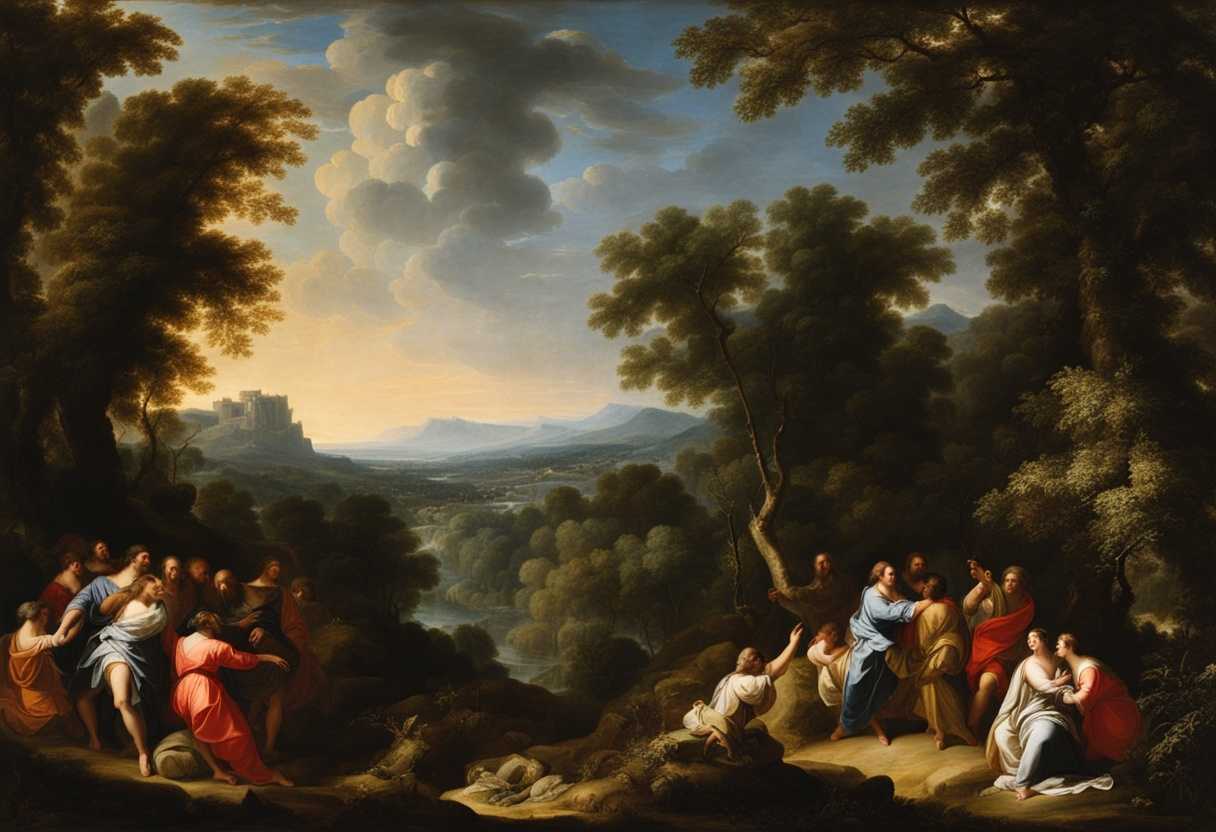
The Book of Psalms is a collection of sacred songs and prayers attributed to various authors, including King David, the renowned shepherd-turned-king of ancient Israel. Psalm 114 is a poetic celebration of God’s power and deliverance, recounting the Israelites’ miraculous exodus from Egypt and their journey through the wilderness. The psalmist reflects on the awe-inspiring events that unfolded when the Israelites were freed from the oppressive rule of the Egyptians in this chapter. The passage describes how the very elements of nature – the sea, the Jordan River, the mountains, and the hills – responded to the presence of the Almighty, bearing witness to His sovereignty and the special status of His chosen people. This powerful imagery echoes the accounts found in the Book of Exodus, where the Israelites experienced the parting of the Red Sea and the miraculous provision of water from the rock. The psalmist recounts these events and invites the reader to consider the profound impact of God’s intervention in the lives of His people. The chapter serves as a reminder of the unwavering faith and trust that the Israelites placed in their God, who time and again demonstrated His ability to protect and guide them, even in the face of seemingly insurmountable obstacles. This message of divine deliverance and the transformative power of faith continues to resonate with believers throughout the ages.
Psalms 114:1-2
The verses in Psalms 114:1-2 read, “When Israel went out from Egypt, the house of Jacob from a people of strange language, Judah became his sanctuary, Israel his dominion.”” These two verses highlight significant events in the history of the Israelites, particularly their deliverance from slavery in Egypt. The mention of Israel going out from Egypt refers to the Exodus, one of the most pivotal events in the Old Testament. God led the Israelites out of bondage in Egypt through miraculous signs and wonders, such as the ten plagues and the parting of the Red Sea, all orchestrated by His mighty hand. The mention of the house of Jacob, another name for Israel, emphasizes the lineage and covenant relationship between God and His chosen people.
The reference to Judah becoming his sanctuary and Israel his dominion speaks to the spiritual significance of the Israelites as God’s chosen people. Judah, one of the twelve tribes of Israel, became a place of worship and reverence for God. It was from the tribe of Judah that the line of David would come, ultimately leading to the birth of Jesus Christ, who is referred to as the Lion of the tribe of Judah in Revelation 5:5. Israel being recognized as God’s dominion reflects His sovereignty and authority over His people.
These verses serve to remind the Israelites of God’s faithfulness in delivering them from oppression and establishing them as His chosen nation. It underscores the importance of remembering and reflecting on God’s past goodness and intervention in our lives. The Exodus story is not just a historical event but a powerful lesson on God’s provision, protection, and deliverance for His people. This theme of God’s deliverance and faithfulness reverberates throughout the Bible, demonstrating His unwavering love and care for His children. Psalm 105:1-5 further expounds on the idea of remembering God’s wondrous works and seeking Him diligently. This passage from Psalms 114 encourages believers to trust in God’s sovereignty and to find refuge and strength in His sanctuary, just as the ancient Israelites did in their journey from Egypt to the Promised Land.
Psalms 114:3-4
The sea looked and fled; Jordan turned back in Psalms 114:3-4. The mountains skipped like rams, the hills like lambs.” These verses poetically describe the powerful phenomenon of nature reacting to the presence of the Lord. The imagery of the sea fleeing and the Jordan River turning back demonstrate the awe-inspiring might of God, who has control over even the elements of nature. It signifies the divine power that governs both the land and the sea.
The mention of the mountains skipping like rams and the hills like lambs further accentuates the grandeur of God’s authority over creation. Mountains in the Bible often symbolize strength and stability, while hills signify smaller or weaker entities. The depiction of these typically steadfast entities trembling in the presence of God illustrates the supreme power that He holds over all creation.
This imagery also serves to remind the readers of the Exodus story where the Israelites experienced the miraculous parting of the Red Sea and crossed it on dry land. These events were a visible manifestation of God’s power over nature and His deliverance of His people, just as the sea fled and Jordan turned back in the Psalm. This reinforces the theme of God’s faithfulness and protection found throughout the Bible.
These verses resonate with the concept that God is not only present in the grandeur of nature but also actively involved in it, orchestrating events according to His divine plan. It encourages believers to trust in God’s sovereignty and strength, even when faced with seemingly insurmountable obstacles. The imagery in these verses can inspire awe and humility in the hearts of those who meditate on the power of God displayed through His creation.
The concept of nature responding to God’s presence is not limited to the Old Testament. Jesus calms the stormy sea in Mark 4:35-41 in the New Testament, demonstrating his authority over nature. This parallels the imagery in Psalms 114, reinforcing the idea of God’s power over creation as displayed through both the Old and New Testament narratives. The continuity of this theme throughout the Bible underscores the timeless message of God’s sovereignty and the assurance of His presence in the midst of chaos.
Psalms 114:5-6
Two important elements are highlighted in Psalms 114:5-6: the parting of the Red Sea and the Jordan River turning back. These verses allude to significant events in the history of the Israelites. The mention of the Red Sea being parted references the miraculous event when Moses, at God’s command, raised his staff, and the waters of the sea parted, allowing the Israelites to cross on dry land while being pursued by the Egyptian army. This event is recorded in Exodus 14 and signifies God’s deliverance and power in rescuing His people from oppression and slavery in Egypt. The parting of the Red Sea is not only a show of God’s might but also serves as a demonstration of God’s faithfulness to His covenant with the Israelites. This event is foundational to understanding God’s power and protection over His people.
The reference to the Jordan River turning back recalls the time when Joshua led the Israelites into the Promised Land. The crossing of the Jordan River held great significance as it symbolized a new beginning for the Israelites as they entered the land that God had promised to them. God demonstrated His power once again by stopping the flow of the Jordan River to allow His people to cross over into the land of Canaan, just as He had parted the Red Sea for the Israelites under Moses’ leadership. This event reaffirms God’s faithfulness, His ability to work miracles, and His commitment to fulfilling His promises to His chosen people.
These verses in Psalms 114 serve as a reminder of the faithfulness, power, and protection of God towards His people. They showcase historical events that highlight God’s intervention in the lives of the Israelites, emphasizing His role as a deliverer and protector. The lasting message from these events is one of trust and dependency on God in times of trouble and uncertainty. God continues to deliver His people from their enemies and guide them to safety, being a present help in times of need. This passage calls believers to reflect on the wonders of God’s past deeds and to trust in His sovereignty and provision for the present and the future. It is a testament to the unchanging nature of God and His willingness to act on behalf of those who put their trust in Him.
Psalms 114:7-8
The verses in Psalms 114:7-8 read, “Tremble, earth, at the presence of the Lord, at the presence of the God of Jacob, who turned the rock into a pool, the hard rock into springs of water.”” These verses paint a powerful image of the awe-inspiring might and miraculous nature of God. The call for the earth to tremble at the presence of the Lord highlights the divine power that the Psalmist wants to emphasize. It reflects the belief that the Creator of the universe is so mighty that even the earth itself should show reverence and fear before Him. It signifies the magnitude of God’s presence and the impact it has on all creation.
The reference to the God of Jacob is significant as well. Jacob, also known as Israel, was one of the patriarchs of the Israelite people. His story is found in the book of Genesis, where he wrestled with God and his name was changed to Israel, symbolizing his struggle and eventual victory. The Psalmist is linking the power of God to the history and covenant relationship with the people of Israel by using the title “God of Jacob.” It serves as a reminder of God’s faithfulness to His chosen people throughout history and the significance of their connection to Him.
Furthermore, the mention of turning the rock into a pool and hard rock into springs of water refers to the events recorded in the book of Exodus during the Israelites’ journey in the wilderness. God instructed Moses to strike a rock, miraculously bringing forth water to quench the thirst of the people in Exodus 17:1-7. This act of God’s provision and power became a pivotal moment in the journey of the Israelites, demonstrating God’s ability to transform the impossible into the possible and meet the needs of His people in miraculous ways. Psalms 114:7-8 encapsulates the themes of God’s power, presence, and provision throughout history, particularly in the context of the Israelites’ relationship with Him. It serves as a reminder of the awe-inspiring nature of God and His faithfulness to His people, showcasing His ability to bring forth water from rock and perform wonders that leave creation trembling in reverence. The verses invite readers to reflect on the miraculous works of God and His enduring love for His people, encouraging them to trust in His power and provision in their own lives.
After Psalms 114
The Israelites had finally escaped the oppression of Egypt and were now journeying through the wilderness. They witnessed the power of God in dramatic fashion as they crossed the Red Sea and the Jordan River. These miraculous events filled the people with awe and wonder, reminding them of God’s unwavering presence and protection.
Yet, the road ahead was not without its challenges. The Israelites would soon face new trials and temptations that would test their faith. Would they continue to trust in the Lord, or would they be drawn away by the allure of the world? The Israelites will navigate these treacherous waters and discover the true meaning of walking with God as we turn the page to the next chapter.

Reverend Michael Johnson is an experienced Church Minister with a profound expertise in spirituality and guidance. With a serene presence and a compassionate heart, he has faithfully served his congregation for over 20 years, leading them on a spiritual journey towards inner peace and enlightenment. Reverend Johnson’s extensive knowledge of religious philosophies and profound understanding of human nature have made him a trusted confidant and mentor to many, as he seamlessly weaves his profound wisdom into life teachings. Reverend Johnson’s calming demeanor and empathetic nature continue to uplift and heal souls, nurturing a sense of unity and tranquility within his community.