
1 Remember, O Lord, in David’s favor,
all the hardships he endured,
2 How he swore to the Lord
and vowed to the Mighty One of Jacob,
3 “I will not enter my house or get into my bed,”
4 I will not give sleep to my eyes or slumber to my eyelids,
5 until I find a place for the Lord, a dwelling place for the Mighty One of Jacob.”
6 Behold, we heard of it in Ephrathah; we found it in the fields of Jaar.
7 Let us go to his dwelling place;
let us worship at his footstool!
8 Arise, O Lord, and go to your resting place, you and the ark of your might.
9 Let your priests be clothed with righteousness,
and let your saints shout for joy.
10 For the sake of your servant David, do not turn away the face of your anointed one.
11 The Lord swore to David a sure oath
from which he will not turn back:
“One of the sons of your body
I will set on your throne.
12 If your sons keep my covenant
and my testimonies that I shall teach them,
their sons also forever
shall sit on your throne.”
13 For the Lord has chosen Zion; he has desired it for his dwelling place:
14 “This is my resting place forever; here I will dwell, for I have desired it.”
15 I will abundantly bless her provisions;
I will satisfy her poor with bread.
16 Her priests I will clothe with salvation,
and her saints will shout for joy.
17 There I will make a horn to sprout for David; I have prepared a lamp for my anointed.
18 His enemies I will clothe with shame,
but on him his crown will shine.”
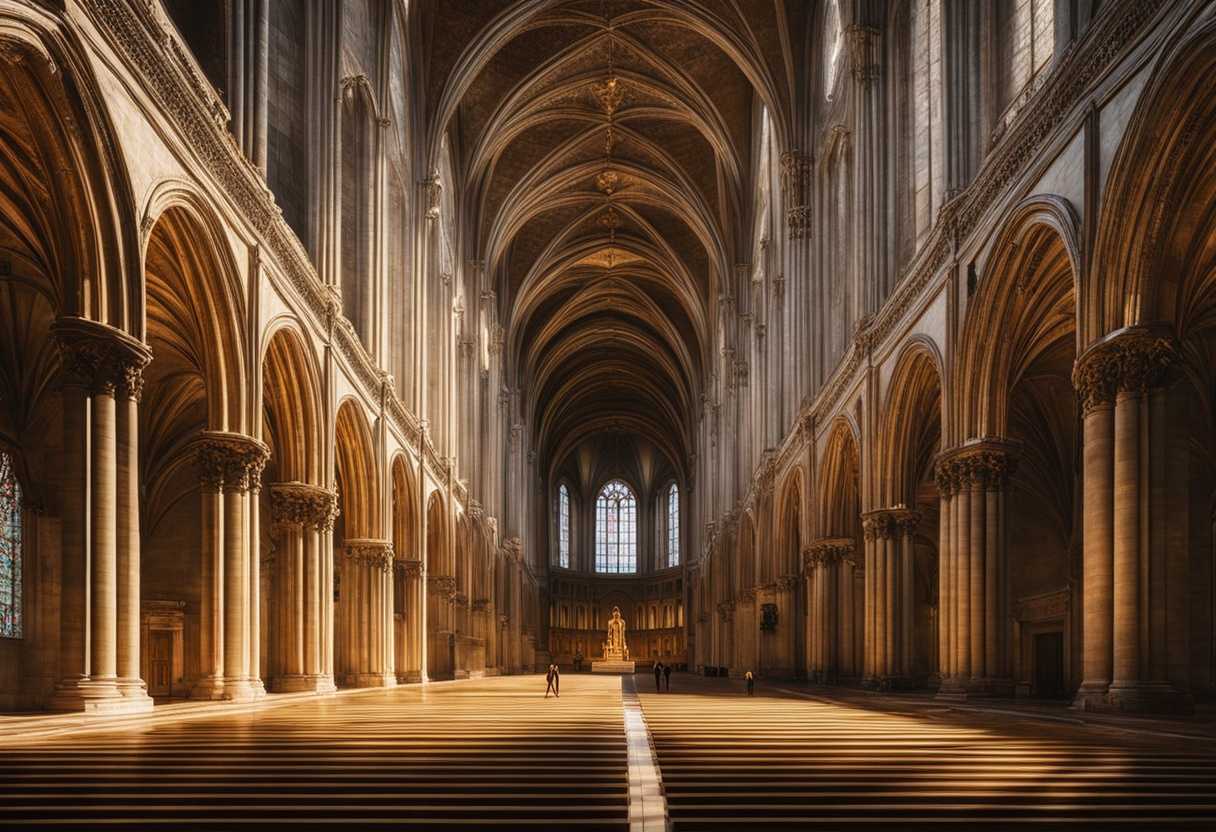
The True Meaning of Psalms 132
The Book of Psalms is a collection of sacred songs and prayers attributed to King David, the second king of ancient Israel. Psalm 132 is a royal psalm that reflects on the significance of the Ark of the Covenant and the establishment of Jerusalem as the eternal resting place of God’s presence. The author of this psalm reminds the people of the vow that King David made to the Lord to find a suitable dwelling place for the Ark of the Covenant. This event is recounted in 2 Samuel 6, where David brings the Ark to Jerusalem with great celebration. The psalm then goes on to describe God’s promise to establish the Davidic dynasty and to make Jerusalem the eternal home of His divine presence, as we see in 2 Samuel 7. The imagery of the Ark and the temple is significant, as it represents the tangible manifestation of God’s covenant with His people. The psalmist’s plea for God to “arise and enter your resting place” (Psalm 132:8) echoes the words spoken by Moses when the Ark was carried into battle (Numbers 10:35). This connection reminds us of the ongoing relationship between God and His people, and the importance of maintaining that relationship through worship and obedience.
Psalms 132:1-5
The verses in Psalms 132:1-5 can be broken down into several important sections. “Lord, remember David and all his self-denial.”
This opening verse sets the tone for the psalm, invoking the memory of David, the great king of Israel. David’s self-denial refers to his dedication and commitment to serving God despite facing countless trials and tribulations throughout his life. David’s humility and faithfulness are emphasized here, serving as a reminder of the importance of putting one’s trust in the Lord and persevering through challenges.
-
“He swore an oath to the Lord, he made a vow to the Mighty One of Jacob: ‘I will not enter my house or go to my bed—I will allow no sleep to my eyes, no slumber to my eyelids.’”
This section refers to the oath and vow that David made to God, emphasizing his utmost devotion and reverence for the Almighty. The vow to not enter his house or sleep until he had found a place for the Lord, specifically a dwelling place for the Ark of the Covenant, reflects David’s deep desire to honor God and prioritize His presence above all else. This act showcases David’s willingness to sacrifice his own comfort for the glory of God, a testament to his commitment to serving the Lord wholeheartedly. -
“Till I find a place for the Lord, a dwelling for the Mighty One of Jacob.”
This verse highlights David’s determination to establish a permanent dwelling place for the Lord, symbolizing his desire for God to dwell among His people and bless them with His presence. David’s passion to build a temple for God represents his acknowledgment of God’s sovereignty and the importance of honoring Him in a tangible way. This longing for a sacred space where God’s presence could reside demonstrates David’s deep spiritual connection and reverence for the Lord. -
“We heard it in Ephrathah, we came upon it in the fields of Jaar.”
The mention of Ephrathah and the fields of Jaar alludes to the journey of the Ark of the Covenant during David’s reign. Ephrathah likely refers to Bethlehem, David’s birthplace and a significant location associated with his lineage. The fields of Jaar may symbolize the rural areas through which the Ark passed on its way to Jerusalem. These references serve to remind the readers of the historical and spiritual significance of the Ark’s transportation and the events surrounding its placement in Jerusalem. This journey was a pivotal moment in David’s reign, signifying the unification of Israel under his rule and the establishment of Jerusalem as the political and spiritual center of the nation. -
Lord, arise and come to your resting place, you and the ark of your might; let us go to his dwelling place and worship at his footstool.”
These verses express a call to worship and a plea for God to dwell among His people. The reference to God’s resting place and the Ark of His might underscores the importance of God’s presence in the lives of believers. The imagery of worshiping at God’s footstool symbolizes humility and reverence before the Almighty. It serves as a reminder of the significance of seeking God’s presence and acknowledging His power and authority. The psalmist acknowledges God’s sovereignty and the need for His divine presence in guiding and protecting His people by inviting God to come to His resting place. Psalms 132:1-5 emphasizes the themes of devotion, sacrifice, reverence, and the desire for God’s presence among His people. The verses highlight David’s exemplary faith and commitment to honoring God, setting an example for believers to prioritize God’s kingdom above all else. The references to historical events and locations add depth to the psalm, connecting it to the broader narrative of Israel’s history and God’s faithfulness to His people. The psalm serves as a reminder of the importance of seeking God earnestly, worshiping Him with reverence, and acknowledging His sovereign reign over our lives.
Psalms 132:6-10
Verse 6 of Psalm 132 reads, “We heard of it in Ephrathah, we found it in the fields of Jaar.” This section seems to be referencing the Ark of the Covenant, a sacred chest that held the tablets inscribed with the Ten Commandments given to Moses by God. The Ark was a central symbol of God’s presence among His people and was highly revered. The mention of Ephrathah is likely a reference to Bethlehem, which was also known as Ephrath in the Bible. This is significant because Bethlehem was the birthplace of King David, whom God chose to be the ruler of Israel. The fields of Jaar may refer to a specific location where the Ark was found or possibly allude to the pasturing of the people of God under His care. Verse 7 commands us to go to his dwelling place and worship at his footstool.”” This exhortation is a call to worship and reverence towards God. The notion of going to God’s dwelling place emphasizes the importance of seeking God’s presence and worshipping Him. The image of worship at His footstool signifies humility and acknowledgment of God’s sovereignty. This verse illustrates the intimate relationship and reverence the Israelites had for God, highlighting the importance of worship in their spiritual lives.
Verse 8 continues, “Arise, O LORD, and go to your resting place, you and the ark of your might.” This verse reflects the desire for God to dwell among His people and for the Ark to be a physical representation of His power and presence in their midst. The Ark symbolized God’s glory and protection, and the call for God to rise up and go to His resting place signifies the longing for His active presence and guidance. The language used here underscores the belief that God’s presence was their source of strength and security. Verse 9 says, “Let your priests be clothed with righteousness, and let your saints shout for joy.”” This verse emphasizes the importance of righteousness and holiness among the priests who served in the temple. The priests had a crucial role in mediating between God and the people, offering sacrifices and prayers on behalf of the community. Their righteousness was essential for their effectiveness in carrying out their duties. The mention of saints shouting for joy may refer to the people of God rejoicing in the goodness and faithfulness of God. It conveys a sense of celebration and gratitude for God’s blessings and mercies.
Finally, verse 10 states, “For the sake of your servant David, do not reject your anointed one.” This verse invokes the covenant God made with David, promising that his descendant would sit on the throne forever (2 Samuel 7:16). This covenant pointed to the future Messiah, Jesus Christ, who would be a descendant of David and reign eternally. The plea not to reject the anointed one reflects the hope and faith of the psalmist in God’s faithfulness to His promises. It underscores the connection between God’s covenant with David and the ultimate fulfillment of that promise in Jesus Christ.
Psalms 132:11-12
A powerful declaration is made in Psalms 132:11-12 in the context of God’s promise to David. Let’s break down these verses into important sections for deeper understanding.
Verse 11 starts with God making a promise to David: “The Lord swore an oath to David, a sure oath he will not revoke: ‘One of your own descendants I will place on your throne.’” This promise is a crucial part of the Davidic Covenant. The covenant established by God with David was a significant turning point in biblical history. It ensured that David’s line would have an everlasting kingdom. God’s promise here is eternal and unchanging, reflecting His faithfulness and commitment to His people. Further details of this promise are seen in verse 12: “If your sons keep my covenant and the statutes I teach them, then their sons will sit on your throne forever and ever.”” Here, the condition for the continuation of the Davidic line is highlighted. The faithfulness of David’s descendants to God’s covenant and statutes is essential for the enduring reign of his line. This emphasizes the importance of obedience and loyalty to God’s commands in maintaining the blessings and promises He bestows upon His chosen people.
The mention of the Davidic Covenant in these verses not only highlights God’s faithfulness and the condition of obedience but also points to the future fulfillment in Jesus Christ. Jesus, as a descendant of David, is the ultimate fulfillment of this promise. Jesus is referred to as the Son of David in multiple instances in the New Testament, affirming his lineage and the fulfillment of the prophecies related to the eternal throne promised to David.
These verses in Psalms 132:11-12 serve as a reminder of God’s faithfulness, the importance of obedience to His commandments, and the ultimate fulfillment of His promises through Jesus Christ. It echoes the theme of redemption and salvation throughout the Bible, showing how God’s plan unfolds through the generations, leading to the ultimate redemption offered through Jesus Christ’s sacrificial death and resurrection. The Davidic Covenant represents God’s enduring love and commitment to His people, showcasing His sovereignty and faithfulness in fulfilling His promises across time.
Psalms 132:13-18
God has chosen Zion as His dwelling place, as highlighted by the psalmist. Zion is often used in the Bible to refer to Jerusalem, specifically the city of David. This choice by God to dwell in Zion is significant as it symbolizes His presence and favor towards His chosen people. The concept of God dwelling among His people is a recurring theme in the Bible, particularly in the Old Testament. Jesus Christ, who is referred to as Immanuel, meaning “God with us” (Matthew 1:23), further emphasizes this idea in the New Testament. God declares in this verse that Zion is His eternal resting place where He will sit enthroned. This imagery of God being enthroned emphasizes His sovereignty and kingship over His people. It is reminiscent of the descriptions of God’s throne in heaven throughout the Bible, such as in Isaiah 6:1 and Revelation 4:2-3, where God is depicted as seated on a glorious throne. This verse underscores the permanence of God’s presence and rule in Zion, reflecting the unchanging nature of His character.
Verses 15-16: “I will bless her with abundant provisions; her poor I will satisfy with food. I will clothe her priests with salvation, and her faithful people will ever sing for joy.”
These verses speak of the blessings that God bestows upon Zion and its inhabitants. The provision of abundant blessings, satisfaction of needs, salvation for the priests, and joy for the people are all manifestations of God’s grace and faithfulness towards His chosen ones. The imagery of God clothing the priests with salvation is powerful, suggesting not just physical sustenance but spiritual enrichment and protection. This aligns with the biblical understanding of priests as mediators between God and the people, responsible for interceding on behalf of the community.
Verses 17-18: “Here I will make a horn grow for David and set up a lamp for my anointed one. I will clothe his enemies with shame, but his head will be adorned with a radiant crown. The closing verses promise continued blessings and protection for the descendants of David, who was the great king of Israel. The imagery of a horn growing for David symbolizes strength and power, while the lamp for the anointed one (which can refer to any anointed ruler or ultimately to Jesus, the Anointed One) suggests guidance and illumination. The reference to clothing enemies with shame and adorning the head with a radiant crown speaks to God’s justice and vindication of His chosen leader. This imagery of victory and honor is common in the Bible, reflecting the triumph of God’s people over their adversaries. Psalms 132:13-18 encapsulates themes of God’s presence, sovereignty, blessings, and protection over His chosen people. It underscores the special relationship between God and Zion, highlighting His eternal commitment to dwell among His faithful followers. The verses also point forward to the fulfillment of God’s promises through the lineage of David and the ultimate victory of His Anointed One. Through these verses, readers are reminded of God’s faithfulness, provision, and ultimate victory over all enemies, serving as a source of comfort and hope for believers throughout history.
After Psalms 132
The chapter concludes with a powerful reminder of God’s eternal covenant with David. The Lord swore an oath to David, promising to establish his throne forever. This pledge would be fulfilled in the coming of the Messiah, the rightful heir to David’s kingdom. We will see how this divine promise shapes the unfolding of God’s redemptive plan for His people as we move forward. The next chapter will explore the beauty of unity among believers, a unity rooted in the faithfulness of our covenant-keeping God.

Reverend Michael Johnson is an experienced Church Minister with a profound expertise in spirituality and guidance. With a serene presence and a compassionate heart, he has faithfully served his congregation for over 20 years, leading them on a spiritual journey towards inner peace and enlightenment. Reverend Johnson’s extensive knowledge of religious philosophies and profound understanding of human nature have made him a trusted confidant and mentor to many, as he seamlessly weaves his profound wisdom into life teachings. Reverend Johnson’s calming demeanor and empathetic nature continue to uplift and heal souls, nurturing a sense of unity and tranquility within his community.