
1 Praise the Lord! Sing to the Lord a new song, his praise in the assembly of the godly!
2 Let Israel be glad in his Maker; let the children of Zion rejoice in their King!
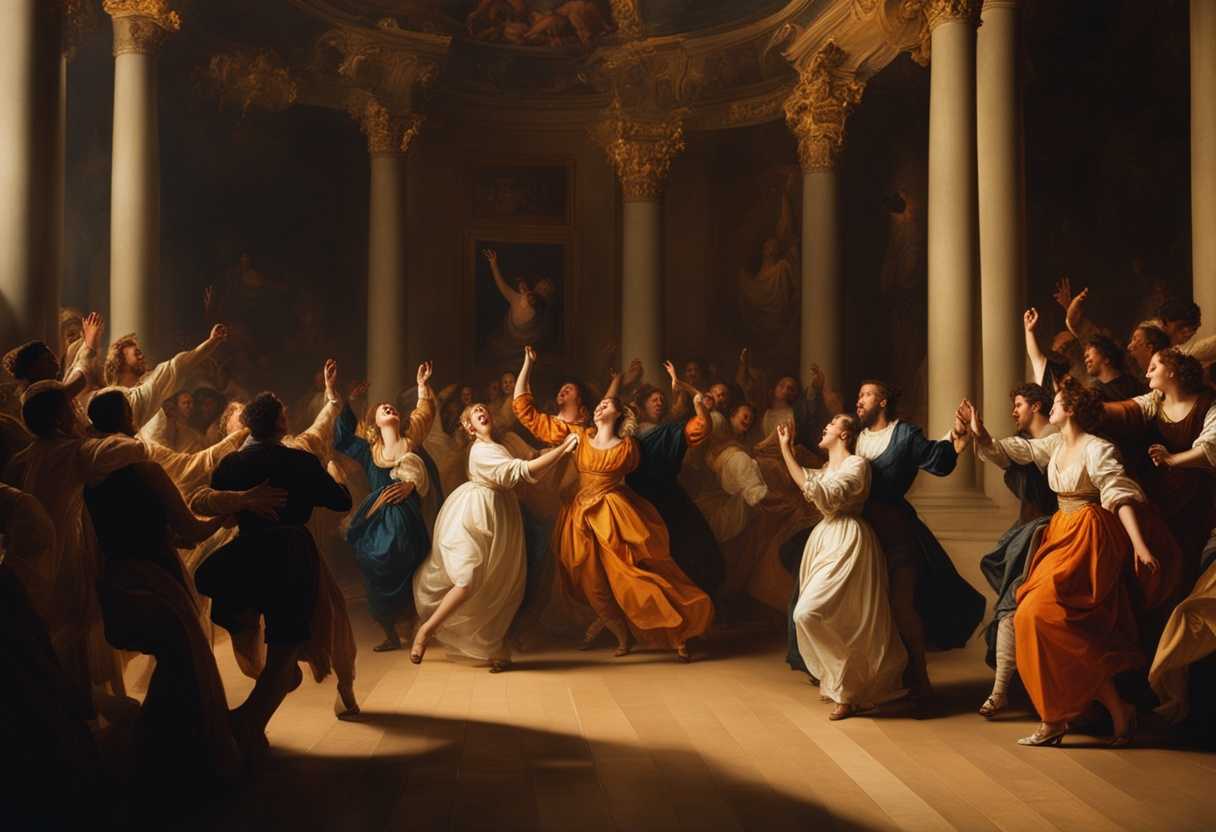
3 Let them praise his name with dancing,
making melody to him with tambourine and lyre!
4 For the Lord takes pleasure in his people; he adorns the humble with salvation.
5 Let the godly exult in glory;
let them sing for joy on their beds.
6 Let the high praises of God be in their throats
and two-edged swords in their hands,
7 to execute vengeance on the nations and punishments on the peoples,
8 to bind their kings with chains
and their nobles with fetters of iron,
9 to execute on them the judgment written!
This is honor for all his godly ones.
Praise the Lord!
The True Meaning of Psalms 149
The Book of Psalms is a collection of sacred songs and prayers attributed to various authors, including King David, who is believed to have written the majority of the psalms. Psalm 149 is a hymn of praise, celebrating God’s love and protection for His people. The psalmist in this chapter calls upon the faithful to rejoice in the Lord and sing His praises. He reminds the people of their special relationship with God, who has chosen them and delights in them. The psalm also foreshadows the time when God will rise up to judge the nations and deliver His people from their enemies.
This passage echoes the themes of God’s sovereignty and the importance of worshiping Him wholeheartedly. It also reminds us of the power of praise and the role of the faithful in God’s plan for the world. We reflect on this psalm, encouraging us to lift our voices in thanksgiving and to trust in the Lord’s unfailing love and protection.
Psalms 149:1-3
The verses in Psalms 149:1-3 call for worship and praise to God. Let’s identify the subject: “we”
Rewritten sentence: We will break down these verses and delve into their significance. An exhortation to sing a new song to the Lord is seen in verse 1. This call for a new song implies a fresh outpouring of praise and worship to God. The idea of a new song signifies a renewal of devotion and a recognition of God’s continual work in our lives. It reflects the psalmist’s desire to worship God with a fervent and innovative spirit. This is a powerful reminder for us as believers to continually offer our worship to God in new and creative ways, not just through rote rituals, but with genuine and heartfelt adoration.
Moving on to verse 2, we read about the assembly of the faithful rejoicing in their King. Here, the assembly can refer to the community of believers coming together in unity to praise and honor God. It speaks to the importance of communal worship and shared joy in the presence of God. The imagery of rejoicing in their King portrays a deep sense of reverence and celebration for God’s sovereignty. Throughout the Bible, we see the significance of communal worship, such as in Hebrews 10:25 which encourages believers not to forsake gathering together.
Lastly, in verse 3, we encounter the idea of praising God with dancing and music. This vivid imagery portrays a lively and jubilant form of worship. Dancing and music are often associated with expressions of joy and celebration in the Bible. King David dances before the Lord with all his might in 2 Samuel 6:14-16, demonstrating uninhibited and wholehearted worship. This verse reminds us of the freedom we have in worshipping God, and the beauty of using various forms of expression to honor Him. Believers are called to worship God with a new song, in the assembly of the faithful, and with dancing and music according to Psalms 149:1-3. These verses emphasize the importance of heartfelt and exuberant worship, both individually and in community. It encourages us to approach God with reverence and creativity, offering Him our praise in ways that celebrate His reign and faithfulness.
Psalms 149:4-6
The verses in Psalms 149:4-6 can be broken down into three main sections. “For the Lord takes delight in his people; he crowns the humble with victory.”
The first section emphasizes the relationship between God and His people. It portrays God as taking pleasure in His people, showing an intimate, personal care for them. This verse highlights the importance of humility before God. The act of crowning the humble with victory symbolizes God rewarding those who are meek and obedient. This theme of divine preference for the humble and righteous individuals can be found throughout the Bible. For instance, in Proverbs 3:34, it states, “He mocks proud mockers but gives grace to the humble.” This echoes the sentiment that God’s favor rests upon those who are humble and sincere in their faith.
-
“Let his faithful people rejoice in this honor
and sing for joy on their beds.”
The second section calls for rejoicing and singing among God’s faithful people. This verse speaks to the joy and gratitude that believers should have in response to God’s favor and blessings. The image of singing for joy on their beds suggests a deep-seated contentment and happiness that extends even to the private spaces of one’s life. This idea of rejoicing in God’s blessings is a recurrent theme in the Psalms; for example, Psalm 100:1-2 says, “Shout for joy to the Lord, all the earth. Worship the Lord with gladness; come before him with joyful songs.” This further emphasizes the importance of joy and praise in the life of a believer. -
“May the praise of God be in their mouths
and a double-edged sword in their hands,
to inflict vengeance on the nations
and punishment on the peoples,”
The final section of these verses takes a more militaristic tone, speaking of wielding a double-edged sword to bring vengeance on nations and punishment on peoples. This imagery of warfare is symbolic of the spiritual battles faced by believers. The double-edged sword represents the Word of God, which, according to Hebrews 4:12, is “sharper than any double-edged sword, it penetrates even to dividing soul and spirit.” The concept of using the sword of the spirit for battle is echoed in Ephesians 6:17, which encourages believers to take up “the sword of the Spirit, which is the word of God.” This passage in Psalms 149 signifies the believer’s role in spiritual warfare against evil forces, emphasizing the power of God’s Word in overcoming spiritual adversaries.
Psalms 149:7-9
Verse 7 of Psalms 149 says, “To execute vengeance on the nations, and punishments on the peoples.” This verse speaks to the idea of God’s justice and how He will hold nations and peoples accountable for their actions. Throughout the Bible, we see examples of God’s justice being executed upon nations and peoples who have strayed from His ways. The Old Testament tells us about the punishment of the Babylonians for their wickedness in Habakkuk 1:5-11. Similarly, the people of Israel faced divine punishment for their disobedience, such as in the book of Judges when they were given into the hands of their enemies numerous times due to their unfaithfulness.
Moving on to verse 8, it reads, “To bind their kings with chains, and their nobles with fetters of iron.” This imagery of kings and nobles being bound symbolizes that no one, regardless of their earthly position or power, is exempt from God’s judgement. Even the mightiest rulers are subject to God’s authority and will be held accountable for their actions. The Bible is filled with stories of proud and powerful leaders who faced God’s judgement, such as King Nebuchadnezzar in Daniel 4, who was humbled and driven away from his throne until he acknowledged God’s sovereignty.
Finally, verse 9 states, “To execute on them the written judgment— this honor have all His saints. Praise the Lord!” Here, the psalmist emphasizes that the execution of God’s judgement is an honor bestowed upon His saints. This highlights the role of God’s faithful followers in upholding His righteousness and justice on earth. The prophet Elijah executed God’s judgement on the prophets of Baal in 1 Kings 18:40. His followers are called to praise Him for His righteousness, ultimately reinforcing the message that God’s justice will prevail. Psalms 149:7-9 serves as a reminder of God’s sovereignty and justice over all nations and peoples, regardless of their status or power. It underscores the importance of God’s followers in upholding His righteousness and executing His judgements on earth. Through these verses, believers are encouraged to trust in God’s ultimate justice and to remain faithful in carrying out His will.
After Psalms 149
The people of God had much to rejoice about. They had been delivered from their enemies and were now living in peace and prosperity. But the chapter does not end there. The psalmist calls the people to a new kind of battle, one that is not fought with swords and spears, but with the praises of God on their lips. They are to wield the “two-edged sword” of God’s word, bringing judgment upon the nations and binding their kings and nobles. This is a call to spiritual warfare, a reminder that the people of God are not called to passivity, but to active engagement in the ongoing struggle between good and evil. We will see how the people of God respond to this call to arms as we turn the page to the next chapter.

Reverend Michael Johnson is an experienced Church Minister with a profound expertise in spirituality and guidance. With a serene presence and a compassionate heart, he has faithfully served his congregation for over 20 years, leading them on a spiritual journey towards inner peace and enlightenment. Reverend Johnson’s extensive knowledge of religious philosophies and profound understanding of human nature have made him a trusted confidant and mentor to many, as he seamlessly weaves his profound wisdom into life teachings. Reverend Johnson’s calming demeanor and empathetic nature continue to uplift and heal souls, nurturing a sense of unity and tranquility within his community.