
1 Shout for joy in the Lord, O you righteous!
Praise befits the upright.
2 Give thanks to the Lord with the lyre; sing praises to him with the harp of ten strings.
3 Sing to him a new song;
play skillfully on the strings, with loud shouts.
4 For the word of the Lord is upright,
and all his work is done in faithfulness.
5 He loves righteousness and justice; the earth is full of the steadfast love of the Lord.
6 By the word of the Lord the heavens were made,
and by the breath of his mouth all their host.
7 He gathers the waters of the sea as a heap;
he puts the deeps in storehouses.
8 Let all the earth fear the Lord; let all the inhabitants of the world stand in awe of him!
9 For he spoke, and it came to be;
he commanded, and it stood firm.
10 The Lord brings the counsel of the nations to nothing;
he frustrates the plans of the peoples.
11 The counsel of the Lord stands forever, the plans of his heart to all generations.
12 Blessed is the nation whose God is the Lord,
the people whom he has chosen as his heritage!
13 The Lord looks down from heaven;
he sees all the children of man;
14 From where he sits enthroned he looks out on all the inhabitants of the earth,
15 he who fashions the hearts of them all
and observes all their deeds.
16 The king is not saved by his great army;
a warrior is not delivered by his great strength.
17 The war horse is a false hope for salvation,
and by its great might it cannot rescue.
18 Behold, the eye of the Lord is on those who fear him, on those who hope in his steadfast love,
19 that he may deliver their soul from death
and keep them alive in famine.
20 Our soul waits for the Lord; he is our help and our shield.
21 For our heart is glad in him, because we trust in his holy name.
22 Let your steadfast love, O Lord, be upon us, even as we hope in you.
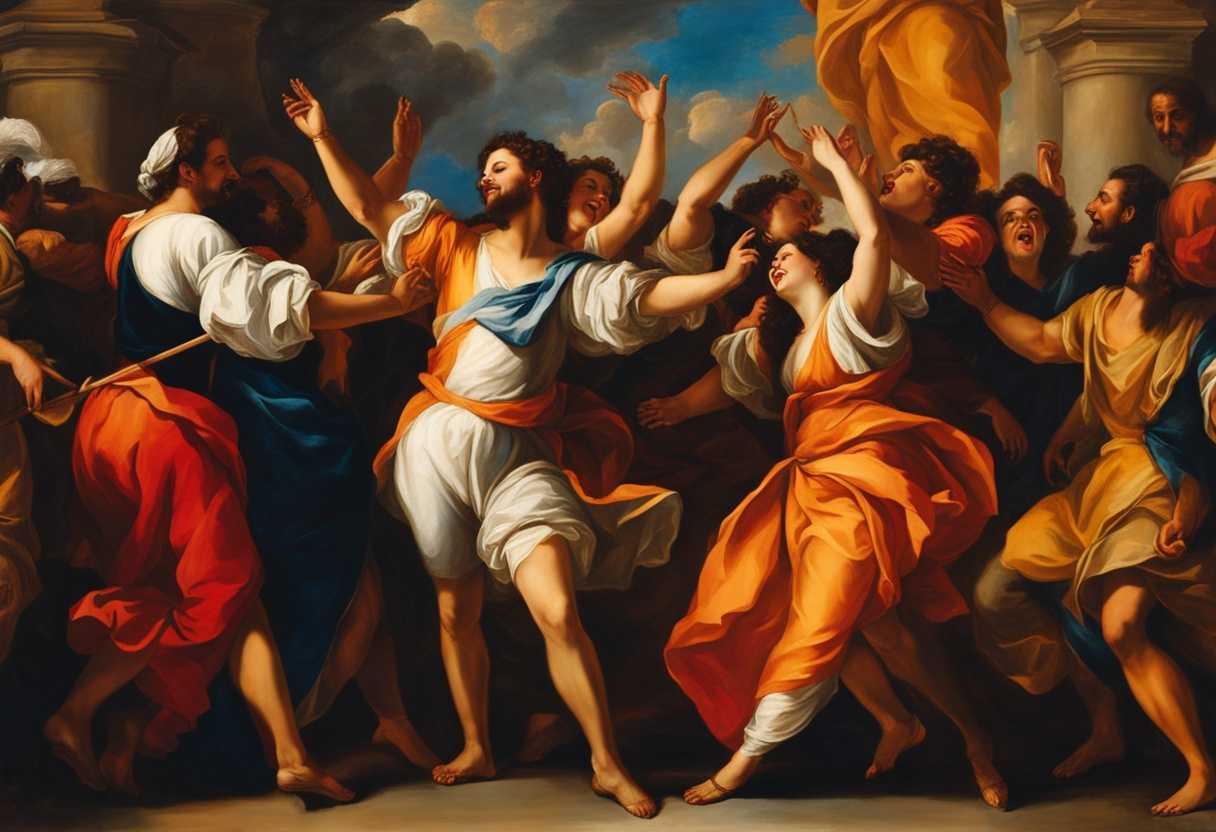
The True Meaning of Psalms 33
The Book of Psalms is a collection of sacred songs and prayers attributed to various authors, including King David, who is believed to have written the majority of the psalms. Psalm 33 is a hymn of praise, celebrating God’s power, wisdom, and faithfulness. The psalmist in this chapter exhorts the righteous to praise the Lord, acknowledging His sovereignty over all creation. The author emphasizes the importance of trusting in God’s word and His unwavering love for His people. The passage unfolds, reminding us of God’s ability to deliver and protect those who seek refuge in Him, foreshadowing the pivotal events that will shape the lives of the Israelites in the coming chapters.
The psalmist’s words echo the sentiments expressed in other biblical texts, such as Proverbs 3:5-6, which encourages us to “trust in the Lord with all your heart and lean not on your own understanding.” Similarly, the assurance of God’s watchful care over His people is echoed in Psalm 91, where the author declares, “He who dwells in the shelter of the Most High will abide in the shadow of the Almighty.”
Psalms 33:1-5
A beautiful call to praise the Lord with joyful hearts and skillful music is found in Psalms 33:1-5. The psalmist encourages all the righteous to sing joyfully to the Lord and play skillfully on musical instruments. This sets the tone for a psalm that celebrates the greatness, faithfulness, and power of God.
The act of praising God is a recurring theme throughout the Book of Psalms and the entire Bible. This particular verse emphasizes the importance of praising God with both our words and our actions. When we worship God with our whole being, we are acknowledging His sovereignty and goodness over our lives. It is a reminder to continually give thanks to God for His blessings and to lift our voices in praise, regardless of our circumstances.
The mention of musical instruments in this verse also underscores the idea that worship can take many forms. Music has the power to transcend language and culture, allowing us to express our love and adoration for God in a unique and powerful way. This aligns with other verses in the Bible which mention the use of musical instruments in worship, such as Psalm 150:3-5, which speaks of praising God with trumpet sound, lute, and harp.
Furthermore, the call to “Sing to him a new song; play skillfully, and shout for joy” highlights the creativity and originality that can be brought into our worship of God. Just as each song can be a unique expression of our praise, each individual brings their own gifts and talents to glorify God. This personal touch in worship emphasizes the beauty of diversity within the body of believers, each bringing something special to the collective praise of God. These verses from Psalms 33 serve as a reminder of the importance of worship in the life of a believer. Worship is not just a Sunday morning activity but a daily lifestyle of honoring God with our whole being. It is a powerful way to connect with God, draw near to Him, and experience His presence in our lives. We are reminded of His faithfulness, goodness, and love towards us as we praise Him with joyful hearts and skillful music.
Psalms 33:6-9
Several crucial themes and messages that reflect on the greatness and power of God are profoundly expressed in Psalm 33:6-9. Let’s identify the subject: “we.” Now, rewrite the sentence in active voice: “We will break down this verse and delve deeper into its meaning and significance.” The heavens were made by the word of the Lord in verse 6, and their starry host by the breath of his mouth.” This verse highlights the creative power of God’s spoken word. It refers to the act of creation described in the book of Genesis, where God spoke and the universe came into existence. This concept emphasizes the sheer power and authority that God possesses over all creation. It underscores the idea that everything in the universe, including the vast expanse of the heavens and the stars, owes its existence to God’s divine word. This assertion is reiterated in other parts of the Bible, such as in Genesis 1:3, where God said, “Let there be light,” and there was light.
Moving on to verse 7, we read, “He gathers the waters of the sea into jars; he puts the deep into storehouses.” This vivid imagery portrays God’s control and mastery over nature. It reflects the biblical narrative of the parting of the Red Sea in Exodus 14, where God miraculously divided the waters to allow the Israelites to escape from the pursuing Egyptian army. The imagery of God gathering the waters of the sea into jars and storing the deep in storehouses symbolizes His unlimited power and sovereignty over the elements of the earth. It serves as a reminder of God’s ability to intervene in the natural world and perform extraordinary feats for the benefit of His people. The psalmist declares in verse 8, “Let all the earth fear the Lord; let all the people of the world revere him.”” This verse emphasizes the universal call to worship and reverence God. It conveys the idea that God’s greatness and majesty extend beyond any particular group or nation; rather, it encompasses all people and all of creation. It beckons humanity to acknowledge God’s supremacy, to fear Him in awe and reverence, and to give Him the honor and worship that He deserves. This call to universal reverence is a recurring theme in the Bible, echoing passages like Psalm 96:9, which exhorts, “Worship the Lord in the splendor of his holiness; tremble before him, all the earth.”
Lastly, verse 9 declares, “For he spoke, and it came to be; he commanded, and it stood firm.” This verse reaffirms the power and authority of God’s word in bringing about creation and sustaining the world. It emphasizes the efficacy of God’s spoken word, highlighting that His commands are always fulfilled and that His decrees are unshakable. This verse points to God’s faithfulness and reliability in His promises and underscores the enduring nature of His words. It echoes Isaiah 55:11, which states, “so is my word that goes out from my mouth: It will not return to me empty but will accomplish what I desire and achieve the purpose for which I sent it. Psalm 33:6-9 encapsulates the awe-inspiring power and sovereignty of God as the Creator and Sustainer of the universe. It calls on all people to recognize and revere God’s greatness, highlighting His ability to create, control nature, and fulfill His divine purposes through His spoken word. These verses serve as a reminder of God’s omnipotence, faithfulness, and universal reign, inviting us to worship Him in humble adoration and to trust in His unfailing word.
Psalms 33:10-12
The Lord frustrates the plans of the nations and thwarts all their schemes. But the Lord’s plans stand firm forever; his intentions can never be shaken. What joy for the nation whose God is the Lord, whose people he has chosen as his inheritance.”
The first part of these verses speaks about the authority and sovereignty of the Lord over the nations of the world. It highlights that despite the plans and schemes of earthly powers and rulers, it is ultimately the Lord who has the final say and can frustrate or thwart those plans. This teaches us a valuable lesson about the limits of human power and the ultimate authority of God. It reminds us that no matter how powerful or influential a nation or ruler may seem, they are ultimately subject to the will of God. God’s divine plan subordinates all human efforts and intentions in the grand scheme of things.
This concept of God’s sovereignty over the nations is a recurring theme in the Bible. Throughout history, we see examples of how God intervened in the affairs of nations to fulfill His purposes. One such example is the story of the Israelites in the Old Testament. Despite being a relatively small and vulnerable nation, God repeatedly showed His power and protection over them, frustrating the plans of their enemies and establishing them as His chosen people. This serves as a powerful reminder that no matter the circumstances, God is in control and His plans will ultimately prevail.
The verse then shifts to a message of hope and joy for the nation whose God is the Lord. It speaks of the blessing and privilege of belonging to a people whom God has chosen as His inheritance. This reflects the special relationship God has with His chosen people throughout the Bible, particularly with the nation of Israel in the Old Testament. God’s covenant with Israel reaffirms His commitment to them as His chosen people and heirs to His promises. The idea of God’s chosen people expands to include all believers in Christ in the New Testament. God chose us in Him, predestining us according to His plan, working out everything in conformity with the purpose of His will, so that we, the first to put our hope in Christ, might be for the praise of His glory.” This shows that through Christ, all believers are now part of God’s chosen people and share in the blessings and inheritance promised by God. God’s ultimate authority over the nations, His unshakable plans, and the joy and blessing of belonging to Him as His chosen people are underscored in Psalms 33:10-12. It encourages us to trust in God’s sovereignty and find hope in His promise to always be with His people.
Psalms 33:13-15
The Lord looks from heaven; He sees all the sons of men in Psalms 33:13-15. From the place of His dwelling He looks on all the inhabitants of the earth; He fashions their hearts individually; He considers all their works.”
The first part of this verse emphasizes the all-seeing nature of God. It highlights that the Lord looks down from heaven and observes all human beings on earth. This imagery of God not only watching over us but also understanding us deeply is a powerful reminder of His omnipresence and omniscience. Through these verses, the psalmist is conveying a sense of accountability, acknowledging that there is no hiding from the sight of God. From the moment of our conception, throughout our lives, until our very last breath, God is aware of every aspect of our existence.
The mention of God fashioning hearts individually is a reflection of His role as the ultimate Creator. This speaks to the intimate relationship God has with each individual, as He is intimately involved in shaping and molding our innermost being. This act of fashioning our hearts can be seen as a metaphor for shaping our character, desires, and ultimately our spiritual journey. This verse underscores the belief that God is not a distant or disinterested deity but rather intimately involved in the lives of His creations.
When considering the impact of these verses in the larger context of the Bible, we can see a consistent theme of God’s sovereignty and intimate knowledge of His people. God says in Jeremiah 1:5, “I knew you before I formed you in the womb, I set you apart before you were born.”” This idea of God knowing us even before our physical existence reinforces the message of Psalms 33:13-15. It reminds us that God’s knowledge of us goes beyond mere observation; it encompasses a deep, personal understanding of who we are at the core of our being.
Furthermore, these verses can also serve as a source of comfort and assurance for believers. Knowing that God sees and knows us completely can provide solace in times of uncertainty, struggles, or trials. It reminds us that we are not alone in our experiences, that God is present, attentive, and working in our lives. This can strengthen our faith and trust in Him, knowing that He is intimately involved in our stories, guiding us, molding us, and ultimately considering all our works for His divine purposes.
Psalms 33:16-19
The verses in Psalms 33:16-19 state that no king is saved by the size of his army and no warrior escapes by his great strength. A horse is a vain hope for deliverance; despite all its great strength, it cannot save. But the eyes of the Lord are on those who fear him, on those whose hope is in his unfailing love, to deliver them from death and keep them alive in famine.”
-
“No king is saved by the size of his army; no warrior escapes by his great strength.” This section emphasizes the futility of relying solely on human strength and power for salvation and deliverance. Kings in ancient times would often boast in their armies and military might for protection and victory in battle. However, this verse reminds us that true deliverance does not come from the might of armies or the strength of warriors, but from the hand of God. It serves as a humbling reminder that no matter how powerful or influential a person may be, their strength will ultimately fail them unless they put their trust in the Lord.
-
“A horse is a vain hope for deliverance; despite all its great strength, it cannot save.” Horses were a symbol of military power and speed in ancient times. They were prized for their ability to give an advantage in battle. However, the psalmist makes it clear that even the most trusted and strong means of deliverance, like a horse, is ultimately insufficient to save. This verse echoes the sentiment from the previous one, reiterating that material possessions or earthly strength are not enough to secure true deliverance. It is a call to place our faith in God rather than in temporary and inadequate sources of security.
-
“But the eyes of the Lord are on those who fear him, on those whose hope is in his unfailing love, to deliver them from death and keep them alive in famine.” Here, the psalmist contrasts the limitations of human strength with the boundless power and care of God. The eyes of the Lord are not on the outward displays of power or wealth, but on those who fear Him and place their hope in His unfailing love. This verse highlights the importance of faith and trust in God’s promises. It assures believers that God is actively watching over them, ready to deliver them from harm and provide for their needs, even in times of desperation such as death and famine. These verses in the broader context of the Bible serve as a reminder of the recurring theme of God’s supremacy over human strength and the importance of placing faith in Him. Throughout the Old Testament, we see stories of kings, warriors, and nations who relied on their own might and strategies, only to be humbled by the hand of God. For example, in the story of David and Goliath (1 Samuel 17), the young shepherd boy defeated the giant not through his own strength but through God’s intervention, showcasing that victory ultimately belongs to the Lord. Similarly, in the New Testament, we are called to trust in the power of God rather than in worldly riches or influence (Matthew 6:19-21). Psalms 33:16-19 reinforces this timeless message of reliance on God’s unfailing love and protection, transcending the limitations of human strength and wisdom.
Psalms 33:20-22
Several key sections in Psalms 33:20-22 are crucial for understanding and appreciating the message being conveyed. Let’s break down each part for a deeper exploration:
- “We wait in hope for the Lord; he is our help and our shield.”
This verse emphasizes the importance of patience and trust in God. It speaks to the idea of waiting with hope and faith, knowing that God is the ultimate source of our support and protection. This notion of hope and reliance on God is a recurring theme throughout the Bible. Romans 12:12 reminds us to “be joyful in hope, patient in affliction, faithful in prayer.”” This verse echoes the sentiment of waiting in hope for the Lord, acknowledging His role as our help and shield in times of need.
- Our hearts rejoice in him, for we trust in his holy name.”
This section highlights the joy and celebration that comes from trusting and believing in God. When we place our trust in His holy name, we can find true joy and peace in our hearts. Trusting in God’s name signifies confidence in His character and promises. Proverbs 3:5-6 instructs us to “trust in the Lord with all your heart and lean not on your own understanding.”” This verse emphasizes the importance of wholehearted trust in God, which leads to rejoicing in His presence.
- “May your unfailing love be with us, Lord, even as we put our hope in you.”
The concluding part of the passage expresses a prayer for God’s unfailing love to be with us as we continue to place our hope in Him. God’s love is steadfast and unwavering, even when we face challenges or uncertainties. This prayer reflects the deep desire for God’s presence and guidance in our lives. “It emphasizes in 1 Corinthians 13:13 that ‘And now these three remain: faith, hope, and love.’” But the greatest of these is love.” This verse underscores the foundational role of God’s love in our lives and the importance of continuing to place our hope in Him. Psalms 33:20-22 urges us to wait in hope for the Lord, find joy in trusting His holy name, and seek His unfailing love as we place our hope in Him. It conveys a powerful message about the enduring faithfulness of God and the transformative impact of trusting in Him wholeheartedly.
After Psalms 33
The Lord’s Faithful Love
The psalmist praised the Lord for his faithful love and righteous deeds. He called the people to sing joyfully, for the word of the Lord is right and true. The Lord loves righteousness and justice; the earth is full of his unfailing love.
The Lord foils the plans of the nations; he thwarts the purposes of the peoples. But the plans of the Lord stand firm forever, the purposes of his heart through all generations. Blessed is the nation whose God is the Lord, the people he chose for his inheritance.
From heaven the Lord looks down and sees all mankind; from his dwelling place he watches all who live on earth – he who forms the hearts of all, who considers everything they do. No king is saved by the size of his army; no warrior escapes by his great strength. A horse is a vain hope for deliverance; despite all its great strength it cannot save.
But the eyes of the Lord are on those who fear him, on those whose hope is in his unfailing love, to deliver them from death and keep them alive in famine. We wait in hope for the Lord; he is our help and our shield. Our hearts rejoice in him, for we trust in his holy name.
May your unfailing love be with us, Lord, even as we put our hope in you.

Reverend Michael Johnson is an experienced Church Minister with a profound expertise in spirituality and guidance. With a serene presence and a compassionate heart, he has faithfully served his congregation for over 20 years, leading them on a spiritual journey towards inner peace and enlightenment. Reverend Johnson’s extensive knowledge of religious philosophies and profound understanding of human nature have made him a trusted confidant and mentor to many, as he seamlessly weaves his profound wisdom into life teachings. Reverend Johnson’s calming demeanor and empathetic nature continue to uplift and heal souls, nurturing a sense of unity and tranquility within his community.