
1 Vindicate me, O God, and defend my cause against an ungodly people, from the deceitful and unjust man deliver me!
2 For you are the God in whom I take refuge; why have you rejected me? Why do I go about mourning because of the oppression of the enemy?
3 Send out your light and your truth; let them lead me; let them bring me to your holy hill and to your dwelling!
4 Then I will go to the altar of God,
to God my exceeding joy,
and I will praise you with the lyre,
O God, my God.
5 Why are you cast down, O my soul,
and why are you in turmoil within me?
Hope in God; for I shall again praise him,
my salvation and my God.
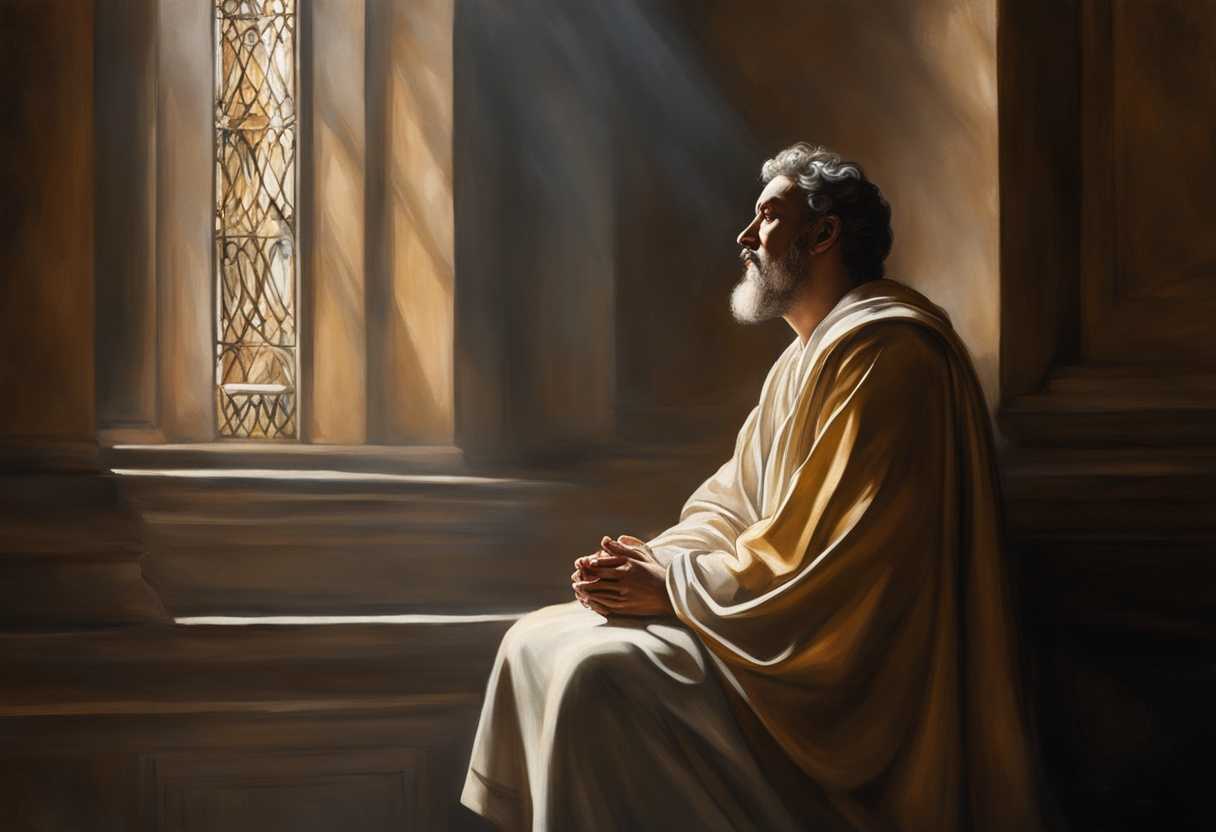
The True Meaning of Psalms 43
The Book of Psalms is a collection of sacred songs and prayers attributed to various authors, including King David, who is believed to have written the majority of the psalms. Psalm 43 is a lament, a type of psalm that expresses the writer’s distress and appeals to God for help. The author of this psalm, likely a Levite or temple worshipper, finds himself in a difficult situation, separated from the temple and the presence of God. He cries out to God, asking for deliverance from the oppression of his enemies and the restoration of his relationship with the divine. The psalm reflects the struggles and doubts that many believers face when they feel distant from God, and it serves as a reminder that even in our darkest moments, we can turn to the Lord for guidance and comfort.
The author’s plea for justice and his desire to return to the temple echo the sentiments expressed in Psalm 42, which is closely related to this passage. Together, these two psalms provide a powerful testimony to the human experience of longing for God and the reassurance that He will never abandon His people.
Psalms 43:1-5
The psalmist pleads with God for justice, deliverance, and guidance in Psalms 43:1-5. The verse begins with the plea, “Vindicate me, my God, and plead my cause against an unfaithful nation. Rescue me from those who are deceitful and wicked.” Here, the psalmist is crying out to God for help and protection against those who are dishonest and evil. The psalmist seeks vindication and justice from God, emphasizing his trust in God’s righteousness and ability to deliver him from harm.
The psalmist’s appeal for justice reflects a common theme found throughout the Psalms. The belief that God is the ultimate judge who will protect the righteous and punish the wicked is prevalent in the Old Testament. This plea for deliverance from deceitful and wicked individuals is a recurring motif in the biblical narrative, where God is seen as the ultimate source of refuge and strength for those who are oppressed or persecuted.
The psalmist continues, “You are God my stronghold. Why have you rejected me? Why must I go about mourning, oppressed by the enemy?” Here, the psalmist is expressing feelings of abandonment and questioning why God has seemingly turned away. This sense of feeling rejected or forsaken by God is a common human experience, and the psalmist’s raw emotion and vulnerability in expressing these feelings serve as a reminder that even the most faithful may struggle with doubt and despair.
Despite feeling forsaken, the psalmist reaffirms his trust in God, declaring, “Send me your light and your faithful care, let them lead me; let them bring me to your holy mountain, to the place where you dwell.” This statement reflects the psalmist’s enduring faith in God’s guidance and salvation. The imagery of God’s light leading the way and His faithful care guiding the psalmist to His holy dwelling place conveys a sense of hope and dependence on God’s unfailing love and protection.
The psalm concludes with a resolve to praise God even in the midst of trials, stating, “Then I will go to the altar of God, to God, my joy and my delight. I will praise you with the lyre, O God, my God.” This response of praise and worship in the face of adversity demonstrates the psalmist’s unwavering commitment to God, regardless of the challenges he faces. It serves as a powerful reminder of the importance of maintaining a posture of gratitude and adoration towards God, even in the darkest of times. Psalms 43:1-5 encapsulates the complex interplay of faith, doubt, and perseverance that characterize the human experience. Through the psalmist’s words, we are reminded of the enduring nature of God’s love and the transformative power of unwavering trust in Him, even when faced with adversity and uncertainty. The psalmist’s journey from lamentation to praise serves as a timeless example of faith in action, encouraging readers to turn to God in times of trouble and find solace in His unchanging character.
After Psalms 43
The psalmist cried out to God, pleading for deliverance from the wicked and deceitful. He longed to return to the temple, to worship the Lord with joy and thanksgiving. Yet, in the midst of his distress, he found solace in the hope that God would vindicate him and restore his soul. The light of God’s presence can guide us even in our darkest moments as we turn the page to the next chapter. The psalmist’s journey reminds us that our faith is not a shield against life’s trials, but a source of strength and resilience. We will witness the psalmist’s continued struggle, but also his unwavering trust in the Lord’s unfailing love in the chapters to come.

Reverend Michael Johnson is an experienced Church Minister with a profound expertise in spirituality and guidance. With a serene presence and a compassionate heart, he has faithfully served his congregation for over 20 years, leading them on a spiritual journey towards inner peace and enlightenment. Reverend Johnson’s extensive knowledge of religious philosophies and profound understanding of human nature have made him a trusted confidant and mentor to many, as he seamlessly weaves his profound wisdom into life teachings. Reverend Johnson’s calming demeanor and empathetic nature continue to uplift and heal souls, nurturing a sense of unity and tranquility within his community.