
1 God has taken his place in the divine council;
in the midst of the gods he holds judgment:
2 “How long will you judge unjustly
and show partiality to the wicked? Selah”
3 Give justice to the weak and the fatherless;
maintain the right of the afflicted and the destitute.
4 Rescue the weak and the needy; deliver them from the hand of the wicked.
5 They have neither knowledge nor understanding, they walk about in darkness; all the foundations of the earth are shaken.
6 I said, “You are gods,
sons of the Most High, all of you;
7 Nevertheless, like men you shall die,
and fall like any prince.”
8 Arise, O God, judge the earth; for you shall inherit all the nations!
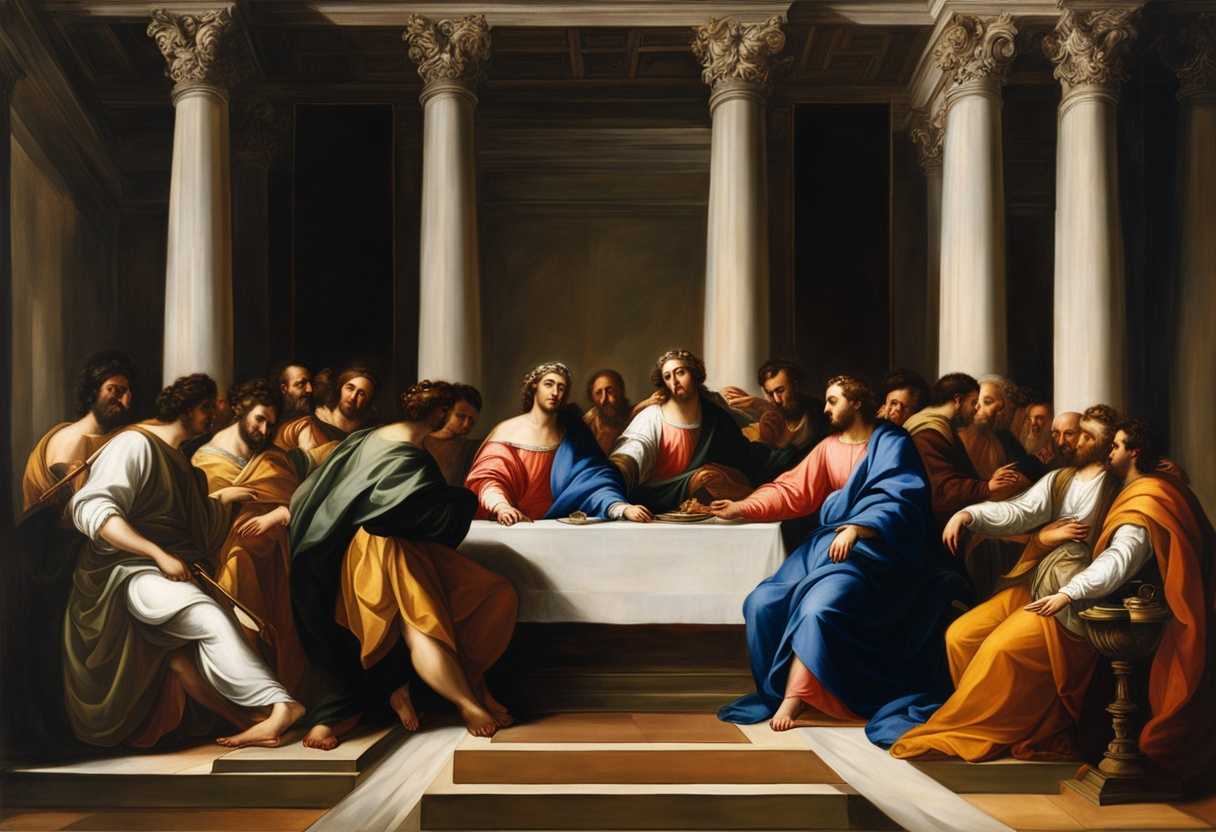
The True Meaning of Psalms 82
The Book of Psalms is a collection of sacred songs and prayers attributed to various authors, including King David, the renowned ruler of ancient Israel. Psalm 82 is a powerful and thought-provoking passage that addresses the issue of justice and the role of those in positions of authority. The psalmist, believed to be King David himself, speaks on behalf of God in this chapter, addressing a gathering of “gods” or judges who have failed to uphold justice and righteousness. The psalmist calls out their corruption and warns them of the consequences of their actions, reminding them that they are accountable to the true and sovereign God.
This passage echoes the themes found in other biblical books, such as Exodus, where Moses confronts Pharaoh and the Egyptian authorities, and Jeremiah, where the prophet denounces the corrupt leaders of Judah. Psalm 82 serves as a powerful reminder that those in positions of power and influence are responsible for ensuring justice and fairness for all people, and that they will be held accountable by the Almighty.
Psalms 82:1-2
God presides in the great assembly and renders judgment among the ‘gods,’ asking, “How long will you defend the unjust and show partiality to the wicked?” God presides over a great assembly in the first part of this verse, which can be interpreted as a divine council or gathering of heavenly beings. This mirrors similar depictions found in the Bible, such as in 1 Kings 22:19-23 and Job 1:6-12, where there are references to divine assemblies where God is seated in judgment. This sets the stage for a scene where God is the supreme authority and judge over all.
The mention of “gods” in this verse is not referring to other true deities, but rather to angelic beings or spiritual entities. These beings are referred to as ‘gods’ in a subordinate sense, as they are part of God’s divine council. This concept of heavenly beings or divine council members assisting God in his judgments and decisions is alluded to in various other parts of the Bible, such as in Daniel 7:10 and Job 15:8.
The second part of the verse raises a crucial question directed towards these ‘gods’ or divine beings – how long will they continue to defend the unjust and show favoritism to the wicked? This highlights the accountability and responsibility that these beings have in upholding justice and righteousness in the world. It emphasizes the importance of impartiality and fairness in judgment, a theme that resonates throughout the Bible, from the teachings of the prophets to the actions of Jesus himself. Reflecting on these verses can serve as a reminder of the divine order and the expectation for righteousness and justice in the world for a preacher. It prompts us to consider our own roles in upholding these values and how we can align ourselves with God’s will. Additionally, it underscores the idea that ultimately, God is the ultimate judge and all beings, whether earthly or heavenly, are accountable to Him for their actions.
Psalms 82:3-4
The verses in Psalms 82:3-4 read, “Defend the weak and the fatherless; uphold the cause of the poor and the oppressed.” Rescue the weak and the needy; deliver them from the hand of the wicked.” These verses carry a powerful message about justice, compassion, and the responsibility of those in power to protect and care for the vulnerable in society.
The call to “defend the weak and the fatherless” speaks to the importance of standing up for those who are marginalized and lack the means to protect themselves. The fatherless were often among the most vulnerable in society in biblical times because they lacked the protection and provision that a father would typically provide. These verses emphasize the need for empathy and assistance towards those who are less fortunate.
Furthermore, the instruction to “uphold the cause of the poor and the oppressed” underscores the biblical theme of social justice and the obligation to advocate for those who are suffering or facing injustice. Throughout the Bible, there are numerous examples of God’s concern for the poor and oppressed, and the call for His followers to act with compassion and righteousness towards them. Jesus himself demonstrated this by ministering to the outcasts and marginalized members of society in the New Testament, showing that God’s kingdom is one of inclusion and love for all.
The command to “rescue the weak and the needy” and to “deliver them from the hand of the wicked” highlights the need for decisive action in ensuring the safety and well-being of those who are in peril. This echoes the biblical narrative of God’s acts of deliverance throughout history, where He intervened to save His people from their enemies and from various forms of adversity. For example, in the story of the Israelites’ exodus from Egypt, God rescued them from slavery and oppression, illustrating His commitment to protecting the vulnerable and oppressed. These verses from Psalms 82 serve as a reminder of the importance of compassion, justice, and mercy in the eyes of God. They call upon individuals, especially those in positions of power and authority, to use their influence for the betterment of society and to champion the cause of the marginalized. Believers can embody the values of God’s kingdom and contribute to creating a more just and compassionate world by following these principles.
Psalms 82:5
The verse in Psalms 82:5 reads, “They know nothing, they understand nothing.” They walk about in darkness; all the foundations of the earth are shaken.” This verse is a part of Psalm 82, which is a powerful call to justice and righteousness delivered by God Himself in the midst of a divine council where He judges the gods or rulers of the earth. The opening of this psalm sets the stage for the declaration of God’s judgment, affirming His position as the ultimate judge and ruler over all.
Breaking down the verse, the first part “They know nothing, they understand nothing” highlights the ignorance and lack of wisdom of those being judged. It reflects a warning against leaders who are corrupt, unjust, and devoid of true understanding. This lack of knowledge and wisdom is a clear sign of their failure to fulfill their roles as caretakers of the people. It emphasizes the importance of wisdom and understanding in leadership, qualities that are repeatedly extolled in the Bible. Proverbs 4:7 states, “The beginning of wisdom is this: Get wisdom. Though it cost all you have, get understanding.”
The following phrase “They walk about in darkness” is a vivid metaphor describing the state of those opposed to God’s righteous ways. Walking in darkness signifies being lost, aimless, and steeped in sin. The darkness represents ignorance, moral decay, and a separation from the light of God’s truth. Throughout the Bible, light and darkness are used symbolically to represent good and evil, knowledge and ignorance, and righteousness and sin. John 8:12 echoes this symbolism when Jesus declares, “I am the light of the world. Whoever follows me will never walk in darkness, but will have the light of life.”
Finally, the statement “all the foundations of the earth are shaken” depicts the far-reaching consequences of corrupt leadership and injustice. When those in positions of power and influence fail to uphold justice and righteousness, it destabilizes the very fabric of society. The foundations of the earth being shaken symbolize the moral and social upheaval that occurs when wickedness prevails and righteousness is neglected. This verse serves as a powerful reminder of the importance of upholding justice, integrity, and righteousness in all aspects of life. Proverbs 29:2 affirms this by stating, “When the righteous thrive, the people rejoice; when the wicked rule, the people groan. Psalms 82:5 serves as a poignant rebuke against the ignorance, darkness, and turmoil that result from unjust and corrupt leadership. This verse underscores the timeless message of the Bible regarding the significance of wisdom, righteousness, and justice in fulfilling God’s will and maintaining moral order in the world. It calls for introspection and adherence to the divine principles of truth and goodness, serving as a warning against the destructive consequences of straying from God’s path.
Psalms 82:6-7
The verse in Psalms 82:6-7 reads, “I said, ‘You are gods; you are all sons of the Most High.’”‘ But you will die like mere mortals; you will fall like every other ruler.” These words are powerful and thought-provoking, offering a deep insight into the relationship between humanity and God.
Let’s break down this verse. The declaration, “You are gods,” can be seen as God acknowledging the divine spark within each human being. It speaks to the inherent dignity and potential for greatness that God has bestowed upon us. This idea of humanity being called ‘gods’ is not to imply that we are equal to God in essence or power, but rather highlights the special and privileged position we hold as His creation.
The latter part of the verse, “you are all sons of the Most High,” emphasizes our connection to God as His children. This concept of being children of God is a recurring theme in the Bible, underscoring the closeness of our relationship with the Almighty. It signifies the love, care, and protection that God offers to us, His beloved offspring.
However, the following line, “But you will die like mere mortals; you will fall like every other ruler,” serves as a stark reminder of our mortality and the limitations of human power and authority. It underscores the transient nature of our lives on Earth and the fact that even the most powerful and influential among us will ultimately face death. This sentiment echoes Ecclesiastes 3:20, which states, “All go to the same place; all come from dust, and to dust all return. Psalms 82:6-7 encourages reflection on the dual nature of humanity – our divine potential as children of God and our mortality as beings destined for earthly death. It prompts us to embrace our identity as God’s creations, strive for spiritual growth and closeness to Him, while also humbly acknowledging our human frailty and dependence on His grace and mercy. This verse highlights the timeless message of the Bible that we are valued and loved by God, but also underscores the importance of humility, obedience, and reverence towards Him.
Psalms 82:8
God, arise and judge the earth, for you shall inherit all the nations!” This short but powerful verse calls upon God to take action as the ultimate judge over the earth and all its nations. The word “Arise” signifies a call to action, a plea for God to intervene and fulfill his role as the righteous judge. The psalmist acknowledges and affirms God’s supreme authority and sovereignty over all nations, declaring that it is God who shall ultimately inherit and rule over them.
This verse carries a profound message about justice and divine judgment. It underscores the belief that God is the ultimate authority who will render justice and righteousness to all nations. Throughout the Bible, we see numerous instances where God acts as the ultimate judge, rewarding the righteous and punishing the wicked. One of the most famous examples of God’s judgment is the story of Noah’s Ark, where God brought a catastrophic flood to cleanse the earth of wickedness and start anew with Noah and his family.
The concept of God inheriting all nations is also significant. It signifies that all the nations of the world belong to God, and he is the ultimate ruler over them. This aligns with the overarching theme in the Bible of God’s sovereignty and kingship over all creation. A vision of a “son of man” who is given dominion, glory, and a kingdom that all peoples, nations, and languages should serve him appears in the book of Daniel (Daniel 7:14). This vision reflects the idea of God inheriting the nations and establishes the ultimate reign of God over the earth.
The call for God to judge the earth in Psalms 82:8 is a reminder that ultimately, justice will prevail and God will reign over all nations. It serves as a source of hope for believers who trust in God’s righteous judgment and sovereignty. The psalmist’s plea for God to arise and judge the earth echoes throughout the Bible, reminding us of the importance of seeking divine justice and trusting in God’s ultimate plan for the world.
After Psalms 82
The Lord had spoken, and the heavens trembled. He had called upon the gods, those who had been entrusted with the care of His people, to account for their actions. They had failed in their duty, allowing injustice and oppression to reign. The Lord’s judgment was clear: they would be stripped of their power and their lives would be forfeit. A hush fell over the assembly as the final words echoed through the heavens. The gods, once mighty, now cowered before the Almighty. They knew their time had come to an end, and that a new era was about to begin. The people of God would soon see the true nature of their leaders exposed, and the Lord would rise to take His rightful place as the sole ruler of all creation.

Reverend Michael Johnson is an experienced Church Minister with a profound expertise in spirituality and guidance. With a serene presence and a compassionate heart, he has faithfully served his congregation for over 20 years, leading them on a spiritual journey towards inner peace and enlightenment. Reverend Johnson’s extensive knowledge of religious philosophies and profound understanding of human nature have made him a trusted confidant and mentor to many, as he seamlessly weaves his profound wisdom into life teachings. Reverend Johnson’s calming demeanor and empathetic nature continue to uplift and heal souls, nurturing a sense of unity and tranquility within his community.