
Romans 8:20-22 is about the idea that creation is in a state of bondage and decay due to sin, eagerly waiting for redemption and restoration by God.
20 For the creation was subjected to futility, not willingly, but because of him who subjected it, in hope
21 that the creation itself will be set free from its bondage to corruption and obtain the freedom of the glory of the children of God.
22 For we know that the whole creation has been groaning together in the pains of childbirth until now.
Setting the Scene for Romans 8:20-22
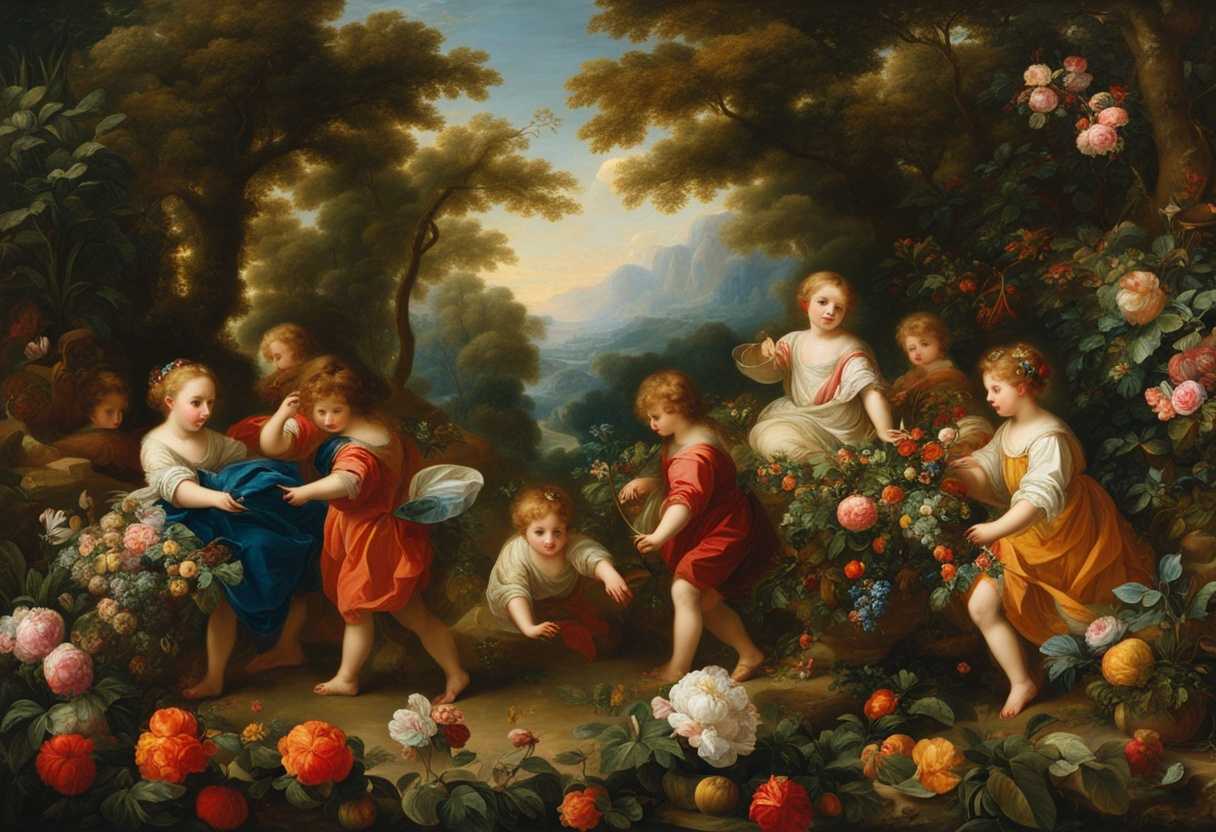
The scene in Romans 8:20-22 paints a vivid picture of creation eagerly waiting for the revealing of the children of God. Imagine a serene and picturesque setting, with lush greenery, colorful flowers, and a gentle breeze rustling through the trees. The sun is setting, casting a warm glow over the landscape, as various elements of nature seem to be holding their breath in anticipation.
In this scene, you see a diverse array of creatures – from majestic lions to graceful deer, from soaring eagles to tiny sparrows – all gathered together in a harmonious display of creation. Each creature seems to be aware of something greater unfolding, a sense of expectancy and hope filling the air. The animals, plants, and elements of nature are all interconnected, united in their longing for the fulfillment of God’s plan.
As you observe this scene, you can’t help but feel a sense of awe and wonder at the beauty and complexity of God’s creation. The passage in Romans 8 reminds us of the interconnectedness of all living beings and the profound impact of humanity’s relationship with the natural world. It serves as a powerful reminder of our responsibility to care for and steward the earth, as we eagerly await the redemption and restoration of all creation.
What is Romans 8:20-22 about?
This verse beautifully captures the longing of all creation for redemption and restoration. It speaks to the idea that creation itself is affected by and bears the consequences of sin and decay in the world. Creation also yearns for renewal and restoration from the effects of sin and decay, just as humans eagerly await the redemption that comes through Christ.
Have you ever stopped to think about how our actions and choices impact the world around us? This verse reminds us that our responsibility as stewards of the earth goes beyond just caring for it physically, but also extends to the spiritual realm. Creation eagerly awaits the day when it will be freed from the effects of sin and decay, when all things will be made new through the redemption brought by Christ. It serves as a powerful reminder of the interconnectedness of all life and emphasizes the need for us to live in harmony with both God and His creation.
Understanding what Romans 8:20-22 really means
In Romans 8:20-22, we find Paul addressing the state of creation, highlighting its current frustration and the hope of future liberation. This passage is nestled within Paul’s letter to the Romans, where he delves into the suffering and future glory of creation, painting a picture of the world’s groaning under the weight of sin and eagerly awaiting redemption.
Paul’s words echo the broader narrative of the Bible, where the consequences of the Fall in Genesis 3 reverberate throughout creation. The phrase “Creation was subjected to frustration” encapsulates the turmoil and brokenness that entered the world due to human disobedience. Genesis 3:17-19 vividly portrays the toil and thorns that became part of the earth’s reality because of sin, illustrating the origin of this frustration.
“In hope that the creation itself will be liberated” points towards a future reality where all creation will be set free from its current state of decay and brokenness. This hopeful anticipation finds resonance in Revelation 21:1-5, where a new heaven and new earth are promised, devoid of pain and sorrow, ushering in a restored creation.
The imagery of creation groaning as in the pains of childbirth vividly captures the intense suffering and eager expectation for a new beginning. This metaphor, akin to Jesus’ words in John 16:21, portrays the agony preceding a moment of profound joy, underscoring the transformative power of redemption.
The themes of suffering and hope resonate deeply with people today, as everyone encounters hardship and yearns for relief. This passage offers solace by assuring that present tribulations are transient, giving way to a future of unending glory and restoration.
Consider the story of an individual who faced adversity but found strength in the promise of redemption. Perhaps someone who endured job loss but discovered peace in realizing that their ultimate hope rests not in career success but in the unwavering promises of God.
In conclusion, while creation currently grapples with frustration and brokenness, there is a steadfast hope of eventual liberation and glory. Let us cling to this hope in our own lives, trusting in God’s overarching plan for redemption and the ultimate restoration of all things.
How can we find hope in a broken world?
Understanding the deeper context of the verses in Romans can help us find hope in a broken world where suffering and chaos seem overwhelming. They speak to the idea that despite the brokenness we see and experience, there is a greater purpose and a promise of redemption. The verses remind us that creation itself is groaning, waiting for the revelation of God’s children. This points to a future hope where all will be made right and restored. We can find hope in the midst of despair by recognizing that the current state of brokenness is not the end of the story. The verses in Romans suggest that our struggles are temporary, and that a renewal and transformation is coming. This understanding allows us to see beyond the brokenness of the world and hold on to the hope of a future where peace, justice, and restoration will reign. Knowing that a better tomorrow is promised, we can find solace and strength to persevere through difficult times.
Application
Let’s act now to fulfill our duty as guardians of this earth, just like we do with our work or care for our loved ones. It’s time to show our deep respect for the world we live in and make a difference through our actions. Let’s embrace our role in creating a better future for all living beings on this planet. How can we not answer this call to protect and cherish the beautiful world we are a part of?

Reverend Michael Johnson is an experienced Church Minister with a profound expertise in spirituality and guidance. With a serene presence and a compassionate heart, he has faithfully served his congregation for over 20 years, leading them on a spiritual journey towards inner peace and enlightenment. Reverend Johnson’s extensive knowledge of religious philosophies and profound understanding of human nature have made him a trusted confidant and mentor to many, as he seamlessly weaves his profound wisdom into life teachings. Reverend Johnson’s calming demeanor and empathetic nature continue to uplift and heal souls, nurturing a sense of unity and tranquility within his community.