
In the Bible, “posterity” refers to future generations or descendants that follow an individual or people. It often encompasses the continuation of a lineage or the fulfillment of God’s promises through the offspring of the faithful, as seen in passages like Genesis 17:7 and Psalm 22:30.
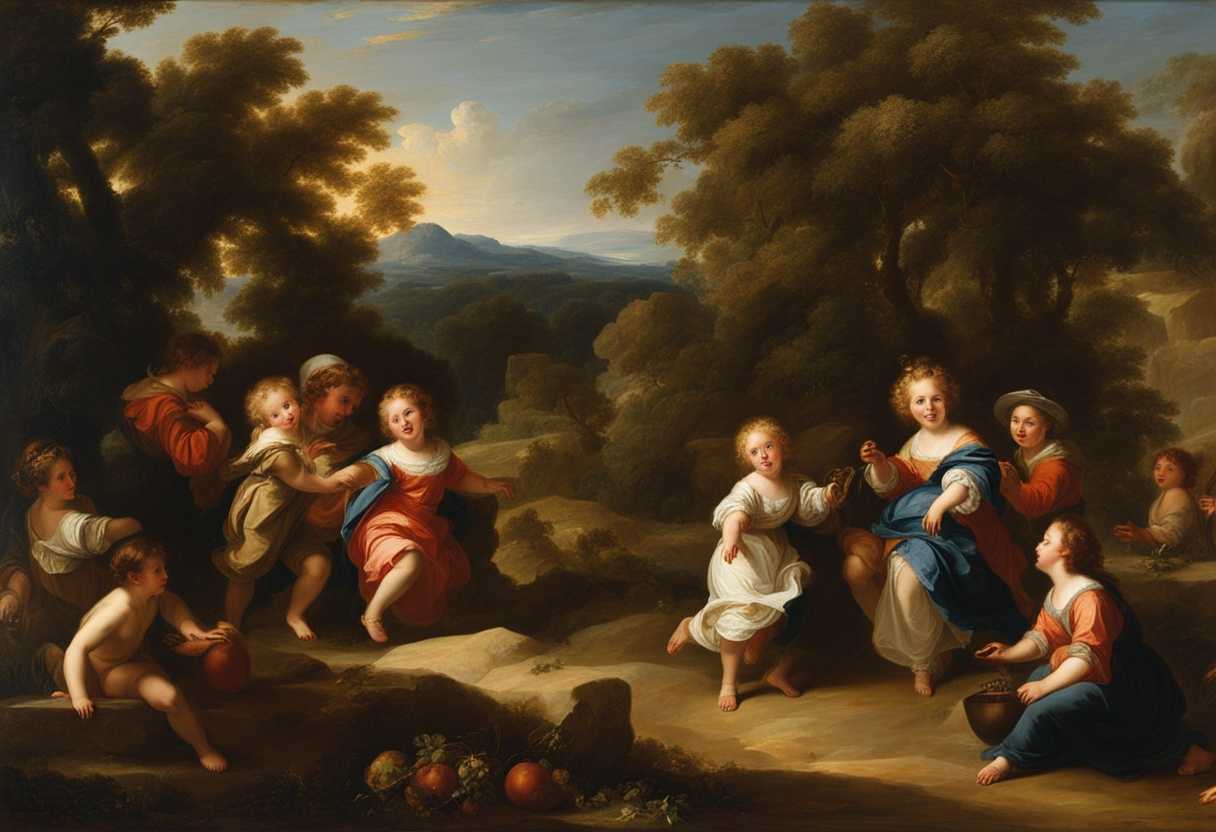
Scripture
7 And I will establish my covenant between me and you and your offspring after you throughout their generations for an everlasting covenant, to be God to you and to your offspring after you.
8 And I will give to you and to your offspring after you the land of your sojournings, all the land of Canaan, for an everlasting possession, and I will be their God.”
Meaning of Posterity in the Bible
In the Bible, the concept of posterity is deeply intertwined with God’s covenantal promise and the continuity of faith among generations. In Genesis 17:7, God promises Abraham, “I will establish my covenant between me and you and your descendants after you for the generations to come.” This verse highlights not only the significance of Abraham’s immediate lineage but also emphasizes that God’s relationship and promises extend to future generations. This reflects a broader theme throughout the Scriptures where the faithfulness of one generation lays a foundation for the next, suggesting that the moral and spiritual legacies of individuals are not just personal but communal and intergenerational.
Moreover, the importance of posterity is echoed in Psalm 22:30, which states, biblical context embodies not just the biological continuation of family lines, but also the transmission of faith, values, and identity, reinforcing the notion that human existence and divine purpose are intricately connected across generations. The idea invites believers to consider their own legacy and the spiritual heritage they pass down, engaging with the lasting impact of faith on future societies.
In addition to the covenantal theme, the idea of posterity have profound consequences not just for him but for his lineage, illustrating how one’s life and decisions resonate through posterity.
Furthermore, the Book of Proverbs emphasizes the role of wisdom the sake of those yet to come.
The Continuation of God’s Covenant
In the Bible, posterity often signifies the continuation of God’s covenant with His people. It represents the promise that God makes to individuals and their descendants, ensuring that His blessings and guidance will extend through generations. This concept emphasizes the importance of faithfulness and obedience, as the actions of one generation can profoundly impact the spiritual legacy passed down to future generations.
The Importance of Righteous Living
Posterity in the biblical context also highlights the significance of living a righteous life. The moral and ethical choices made by individuals can influence their descendants, shaping their character and relationship with God. This understanding encourages believers to strive for holiness, knowing that their legacy will affect not only their immediate family but also future generations.
The Hope of Redemption
Additionally, the notion of posterity in the Bible carries a theme of hope and redemption. It reflects the belief that transcends individual circumstances and points toward a divine plan for humanity.
How to Cultivate a Lasting Christian Legacy
Cultivating a lasting Christian legacy is about living out your faith in a way that resonates with those around you, leaving an imprint on their hearts and minds. Start by embodying the teachings of Christ in your daily life—showing love, kindness, and forgiveness to a home where prayer and scripture are woven into the fabric of daily life. Remember, it’s not just about grand gestures; small, consistent acts of faith can create ripples that extend far beyond your immediate circle, ultimately shaping a legacy that reflects the love and grace of Christ for generations to come.
Bible References to Posterity in Scripture:
Exodus 20:5-6: 5 You shall not bow down to them or serve them, for I the Lord your God am a jealous God, visiting the iniquity of the fathers on the children to the third and the fourth generation of those who hate me,
6 but showing steadfast love to thousands of those who love me and keep my commandments.
Deuteronomy 7:9: 9 Know therefore that the Lord your God is God, the faithful God who keeps covenant and steadfast love with those who love him and keep his commandments, to a thousand generations.
Psalm 37:25-26: 25 I have been young, and now am old, yet I have not seen the righteous forsaken or his children begging for bread.
26 They are ever generous and lend, and their children become a blessing.
Isaiah 44:3-4: 3 For I will pour water on the thirsty land, and streams on the dry ground; I will pour my Spirit upon your offspring, and my blessing on your descendants.
4 They shall spring up among the grass like willows by flowing streams.
Jeremiah 30:20: 20 Their children shall be as they were of old, and their congregation shall be established before me, and I will punish all who oppress them.
Matthew 1:1-17: 1 The book of the genealogy of Jesus Christ, the son of David, the son of Abraham.
2 Abraham was the father of Isaac, and Isaac the father of Jacob, and Jacob the father of Judah and his brothers,
3 and Judah the father of Perez and Zerah by Tamar, and Perez the father of Hezron, and Hezron the father of Ram,
4 and Ram the father of Amminadab, and Amminadab the father of Nahshon, and Nahshon the father of Salmon,
5 and Salmon the father of Boaz by Rahab, and Boaz the father of Obed by Ruth, and Obed the father of Jesse,
6 and Jesse the father of David the king.
7 and Solomon the father of Rehoboam, and Rehoboam the father of Abijah, and Abijah the father of Asaph,
8 and Asa the father of Jehoshaphat, and Jehoshaphat the father of Joram, and Joram the father of Uzziah,
9 and Azor the father of Zadok, and Zadok the father of Achim, and Achim the father of Eliud,
10 and Hezekiah the father of Manasseh, and Manasseh the father of Amos, and Amos the father of Josiah,
11 and Josiah the father of Jechoniah and his brothers, at the time of the deportation to Babylon.
12 And after the deportation to Babylon: Jechoniah was the father of Shealtiel, and Shealtiel the father of Zerubbabel.
13 and Zerubbabel the father of Abiud, and Abiud the father of Eliakim, and Eliakim the father of Azor,
14 and Azor the father of Zadok, and Zadok the father of Achim, and Achim the father of Eliud,
15 and Eliud the father of Eleazar, and Eleazar the father of Matthan, and Matthan the father of Jacob,
16 and Jacob the father of Joseph the husband of Mary, of whom Jesus was born, who is called Christ.
17 So all the generations from Abraham to David were fourteen generations, and from David to the deportation to Babylon fourteen generations, and from the deportation to Babylon to the Christ fourteen generations.
Acts 2:39: 39 For the promise is for you and for your children and for all who are far off, everyone whom the Lord our God calls to himself.”
Hebrews 11:13-16: 13 These all died in faith, not having received the things promised, but having seen them and greeted them from afar, and having acknowledged that they were strangers and exiles on the earth.
14 For people who speak thus make it clear that they are seeking a homeland.
15 If they had been thinking of that land from which they had gone out, they would have had opportunity to return.
16 But as it is, they desire a better country, that is, a heavenly one. Therefore God is not ashamed to be called their God, for he has prepared for them a city.
Revelation 21:7: 7 The one who conquers will have this heritage, and I will be his God and he will be my son.

Reverend Ogunlade is a seasoned Church Minister with over three decades of experience in guiding and nurturing congregations. With profound wisdom and a serene approach, Reverend Ogunlade has carried out various pastoral duties, including delivering uplifting sermons, conducting religious ceremonies, and offering sage counsel to individuals seeking spiritual guidance. Their commitment to fostering harmony and righteousness within their community is exemplified through their compassionate nature, making them a beloved and trusted figure among the congregation.