
In the KJV Bible, “shorn” refers to having been shaved or having had hair cut off, often in the context of a vow or as a sign of mourning or punishment. It is notably used in the story of Samson, who lost his strength when his hair was cut (Judges 16:17).
Scripture
17 And he told her all his heart, and said to her, “A razor has never come upon my head, for I have been a Nazirite to God from my mother’s womb. If my head is shaved, then my strength will leave me, and I shall become weak and be like any other man.”
18 When Delilah saw that he had told her all his heart, she sent and called the lords of the Philistines, saying, “Come up again, for he has told me all his heart.” Then the lords of the Philistines came up to her and brought the money in their hands.
19 She made him sleep on her knees. And she called a man and had him shave off the seven locks of his head. Then she began to torment him, and his strength left him.
Shorn Definition in KJV Bible
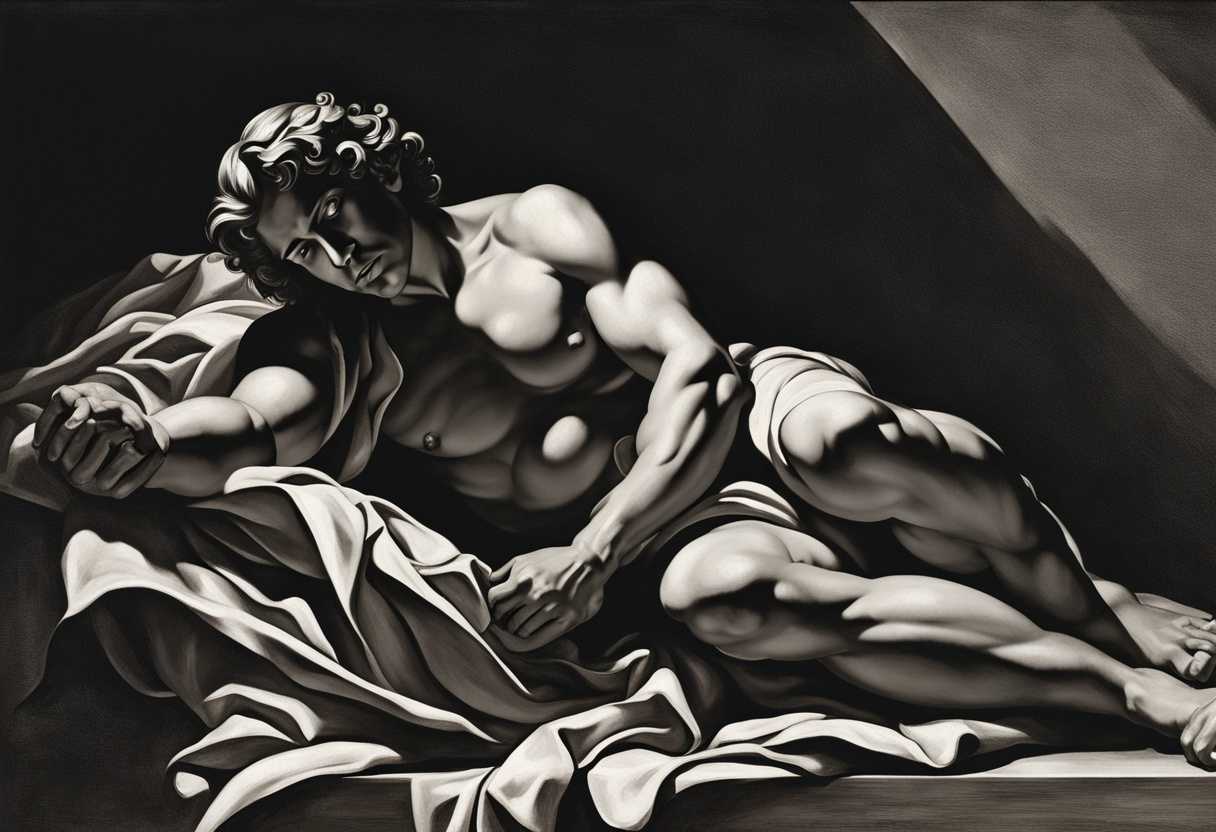
The concept of being “shorn” in the KJV Bible extends beyond a mere physical description; it often symbolizes a loss of strength, identity, or divine favor. In the case of Samson, his shorn hair represents the breaking of his Nazirite vow, which required him to abstain from cutting his hair as a sign of dedication to God (Judges 16:17). This act led to his subsequent capture and humiliation at the hands of the Philistines. The imagery of hair in this narrative serves as a powerful reminder of the covenant relationship between God and His chosen, suggesting that the loss of physical attributes can equate to a spiritual downfall.
Furthermore, the idea of being shorn often appears in contexts of mourning or repentance. In 2 Samuel 14:26, Absalom is described as being shorn after two years, which can symbolize a significant life change or a time of inner turmoil. Hair, as a representation of one’s glory or status, can indicate a public acknowledgment of grief or the severing of ties to a previous way of life. Consequently, shorn individuals in the biblical narrative often find themselves in transformative periods where they must confront their brokenness and seek restoration, touching on broader themes of redemption, humility, and the consequences of straying from divine expectations.
The theme of being shorn carries significant weight throughout scripture, indicating transformation often marked by loss or change. For instance, in Micah 1:16, the prophet laments, instructing the people to shave their heads in mourning for their children, as their loss signifies a departure from the blessings of God. This imagery reflects how shorn hair serves as a visible token of deep sorrow and the realization of divinely ordained consequences. The act of shaving one’s head can also symbolize repentance and a drastic call to return to God, highlighting the precarious balance between one’s outward appearance and inner spiritual state.
Moreover, shorn hair is sometimes linked to servitude or humility before God. In Acts 18:18, the Apostle Paul, after having taken a Nazirite vow, shaves his head at Cenchreae, which signifies a moment of dedication and completion of a spiritual commitment. Here, being shorn becomes a sign of devotion rather than disgrace, showcasing how the act can embody a submission to God’s will. This duality further enriches the biblical understanding of being shorn, illuminating the ways it intertwines with themes of loss, accountability, and the hope for renewal. Ultimately, the depiction of shorn individuals challenges readers to consider their own spiritual journeys, reflecting on how moments of cutting away the past may lead to deeper restoration and reversal under God’s grace.
Symbol of Humiliation and Loss
In the biblical context, being shorn often represents a state of humiliation or loss of strength. This can be seen as a metaphor for the stripping away of one’s dignity or power, reflecting a deeper spiritual or emotional state. The act of cutting hair can symbolize a significant change in one’s life circumstances, often associated with defeat or vulnerability.
Consequence of Disobedience
The act of being shorn can also signify the consequences of disobedience to God’s commands. In various narratives, the loss of hair is linked to a failure to uphold divine principles, leading to a loss of favor or protection. This serves as a reminder of the importance of faithfulness and the repercussions that can arise from straying from God’s path.
Transformation and Renewal
Conversely, being shorn can also symbolize transformation and renewal. In some instances, the act of cutting hair may represent a shedding of the old self, paving the way for a new beginning or a recommitment to one’s faith. This duality highlights the complexity of the act, where loss can lead to growth and a fresh start in one’s spiritual journey.
How to Cultivate a Heart of Service and Love
Cultivating a heart of service and love is a beautiful journey that begins with a genuine desire to reflect Christ’s love in our daily lives. Start by immersing yourself in prayer, asking God to soften your heart and open your eyes to the needs around you. Remember, service doesn’t always mean grand gestures; it can be as simple as offering a listening ear to a friend or helping a neighbor with groceries. Look for opportunities in your community, whether through your church or local organizations, to volunteer your time and talents. As you serve, let the love of Christ flow through you, reminding yourself that every act of kindness, no matter how small, is a reflection of His love. Embrace the joy that comes from giving, and watch how your heart transforms, becoming more aligned with the heart of Jesus.
Bible References to Shorn in KJV:
1 Corinthians 11:5-6: 5 but every wife who prays or prophesies with her head uncovered dishonors her head, since it is the same as if her head were shaven.
6 For if a wife will not cover her head, then she should cut her hair short. But since it is disgraceful for a wife to cut off her hair or shave her head, let her cover her head.
Ezekiel 44:20: 20 They shall not shave their heads or let their locks grow long; they shall surely trim the hair of their heads.
Numbers 6:5-6: 5 “All the days of his vow of separation, no razor shall touch his head. Until the time is completed for which he separates himself to the Lord, he shall be holy. He shall let the locks of hair of his head grow long.
6 “All the days that he separates himself to the Lord he shall not go near a dead body.
Acts 18:18: 18 After this, Paul stayed many days longer and then took leave of the brothers and set sail for Syria, and with him Priscilla and Aquila. At Cenchreae he had cut his hair, for he was under a vow.

Reverend Ogunlade is a seasoned Church Minister with over three decades of experience in guiding and nurturing congregations. With profound wisdom and a serene approach, Reverend Ogunlade has carried out various pastoral duties, including delivering uplifting sermons, conducting religious ceremonies, and offering sage counsel to individuals seeking spiritual guidance. Their commitment to fostering harmony and righteousness within their community is exemplified through their compassionate nature, making them a beloved and trusted figure among the congregation.