
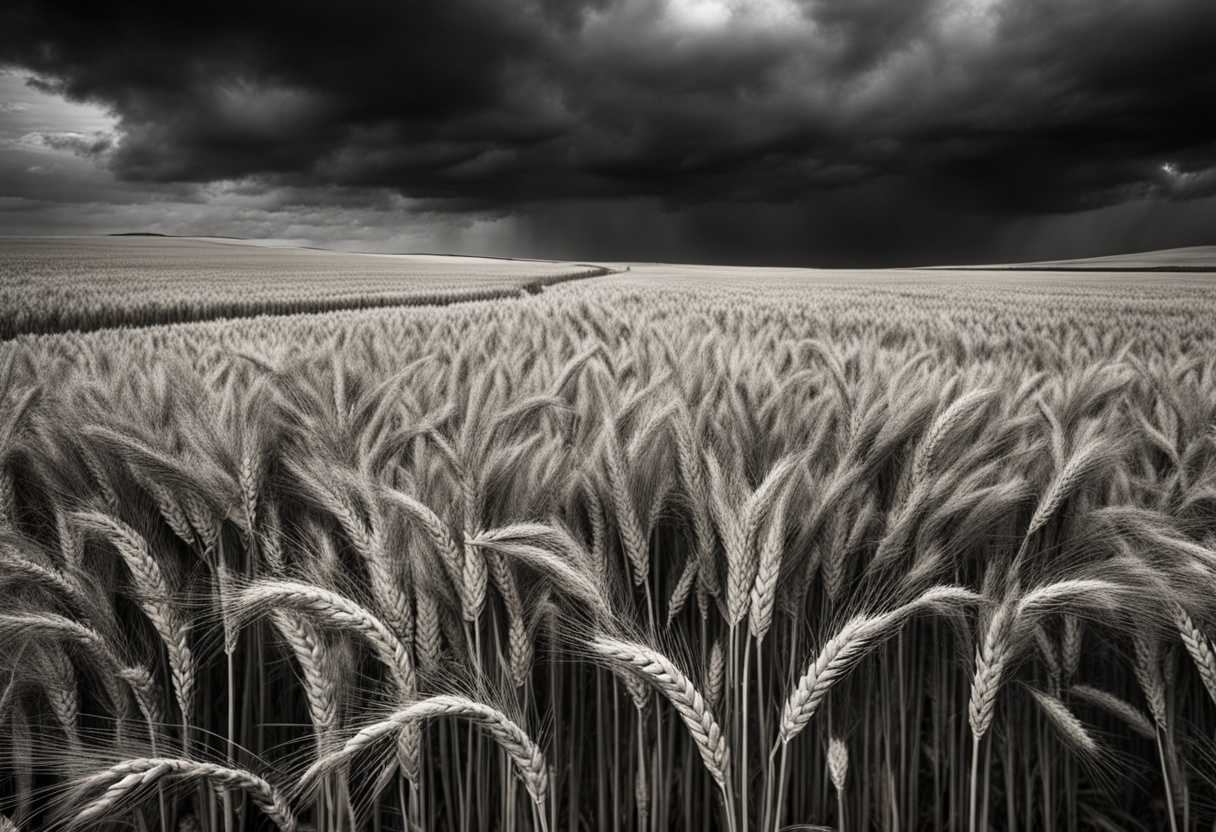
Darnel, also known as “tares,” refers to a type of weed that resembles wheat but is harmful to crops. In the Bible, particularly in the parable of the wheat and the tares (Matthew 13:24-30), it symbolizes the presence of evil or false believers among the righteous until the final judgment.
Scripture
24 He put another parable before them, saying, “The kingdom of heaven may be compared to a man who sowed good seed in his field,
25 but while his men were sleeping, his enemy came and sowed weeds among the wheat and went away.
26 But when the plants sprouted and bore grain, then the weeds appeared also.
27 And the servants of the master of the house came and said to him, ‘Master, did you not sow good seed in your field? How then does it have weeds?’
28 He said to them, ‘An enemy has done this.’ So the servants said to him, ‘Then do you want us to go and gather them?’
29 But he said, ‘No, lest in gathering the weeds you root up the wheat along with them.
30 Let both grow together until the harvest, and at harvest time I will tell the reapers, “Gather the weeds first and bind them in bundles to be burned, but gather the wheat into my barn.”
Meaning of Darnel in the Bible
In the biblical context, darnel, or tares, serves as a poignant metaphor for the coexistence of good and evil within the Kingdom of Heaven. In the Parable of the Wheat and the Tares (Matthew 13:24-30), Jesus illustrates how a farmer sows good seed in his field, only to have an enemy come and sow darnel among the wheat. This act foreshadows the reality that within any community, including the church, there will be individuals who outwardly appear righteous but harbor falsehood or wickedness. The farmer’s decision to wait until the harvest, when the wheat and darnel can be separated, reflects the patience of God in allowing both types of people to coexist until the Day of Judgment.
Beyond the immediate agricultural analogy, darnel invites deeper reflections on judgment, discernment, and grace within the Christian community. The eventual uprooting and burning of the tares during the harvest signify the ultimate justice of God, as depicted in Matthew 13:40-43, where the Son of Man will send forth His angels to separate the wicked from the just. This parable teaches believers about maintaining vigilance and integrity in their spiritual journeys while acknowledging the complexity of human nature and the presence of sin in the world. It emphasizes the hope in God’s final resolution of all things, where true believers will shine as the sun in the kingdom of their Father, encapsulating the broader theme of redemption and the ultimate establishment of God’s perfect reign.
Darnel, historically known for its close resemblance to wheat in its early stages, serves as a reminder of the deceptive nature of evil that can infiltrate the community of believers. This parallels various biblical themes where the struggle between truth and falsehood is evident. Throughout scripture, there are warnings against false prophets and teachers who may look credible on the surface but lead people away from the truth. The call for discernment is echoed in passages like Galatians 5:9, which warns that “a little leaven leavens the whole lump.” Here, the metaphor of leaven emphasizes how small amounts of falsehood can corrupt an entire community, much like darnel can grow among wheat.
Moreover, reflecting on the nature of darnel invites believers to consider the imperative of self-examination and repentance. Just as the farmer acknowledges that the presence of darnel does not immediately destroy the wheat field, believers are encouraged to recognize that the journey of faith involves navigating through challenges and flaws. In James 1:2-4, patience in trials is highlighted as a means for spiritual growth, suggesting that the challenges, including encounters with ‘darnel’ in our spiritual lives, refine character and faith. Ultimately, the significance of darnel in the biblical narrative serves not only as a caution against the presence of evil but also as an encouragement towards perseverance and faithfulness in the pursuit of righteousness amidst adversity.
Symbol of Deception and Falsehood
Darnel, often referred to as “tares,” serves as a powerful symbol of deception and falsehood within biblical narratives. It represents the presence of evil or false teachings that can coexist with the good, often leading believers astray. This duality highlights the importance of discernment in faith, urging individuals to be vigilant against influences that may appear benign but ultimately lead to spiritual harm.
Representation of Judgment and Separation
In biblical contexts, darnel also signifies the theme of judgment and the eventual separation of the righteous from the unrighteous. The growth of darnel alongside wheat illustrates the reality that both good and evil exist in the world, but a time of reckoning will come when they will be distinguished. This serves as a reminder of the ultimate accountability that all individuals will face, reinforcing the call to live a life aligned with righteousness.
Metaphor for Spiritual Growth and Maturity
Furthermore, darnel can be viewed as a metaphor for spiritual growth and maturity. The process of identifying and uprooting darnel from a field parallels the journey of a believer in recognizing and overcoming sin and distractions in their life. This metaphor encourages individuals to cultivate their faith actively, striving for spiritual maturity while being aware of the challenges posed by negative influences that may hinder their growth.
How to Nurture Growth Amidst Life’s Challenges
Life’s challenges can often feel overwhelming, but they also present us with unique opportunities for spiritual growth and deeper faith. As you navigate through trials, remember that these moments can draw you closer to God, who promises to be our refuge and strength (Psalm 46:1). Embrace prayer as your lifeline; it’s in those quiet moments of conversation with God that you can find clarity and comfort. Surround yourself with a supportive community—fellow believers who can uplift you and share their own experiences of overcoming adversity. Dive into Scripture, allowing the Word to guide you and remind you of God’s faithfulness throughout history. Lastly, practice gratitude even in tough times; acknowledging the small blessings can shift your perspective and help you see God’s hand at work. By nurturing your faith amidst challenges, you not only grow personally but also become a beacon of hope for others facing their own struggles.
Bible References to the Meaning of Darnel:
Matthew 13:36-43: 36 Then he left the crowds and went into the house.
37 He answered, “The one who sows the good seed is the Son of Man.
38 The field is the world, and the good seed is the sons of the kingdom. The weeds are the sons of the evil one,
39 and the enemy who sowed them is the devil. The harvest is the end of the age, and the reapers are angels.
40 Just as the weeds are gathered and burned with fire, so will it be at the end of the age.
41 The Son of Man will send his angels, and they will gather out of his kingdom all causes of sin and all law-breakers,
42 and throw them into the fiery furnace. In that place there will be weeping and gnashing of teeth.
43 Then the righteous will shine like the sun in the kingdom of their Father. He who has ears, let him hear.

Reverend Michael Johnson is an experienced Church Minister with a profound expertise in spirituality and guidance. With a serene presence and a compassionate heart, he has faithfully served his congregation for over 20 years, leading them on a spiritual journey towards inner peace and enlightenment. Reverend Johnson’s extensive knowledge of religious philosophies and profound understanding of human nature have made him a trusted confidant and mentor to many, as he seamlessly weaves his profound wisdom into life teachings. Reverend Johnson’s calming demeanor and empathetic nature continue to uplift and heal souls, nurturing a sense of unity and tranquility within his community.