
The Herodians were a political group mentioned in the New Testament, closely associated with King Herod and supportive of his rule, often opposing Jesus and the early Christians. They are depicted as collaborating with the Pharisees to conspire against Jesus, particularly in the Gospels of Mark and Matthew.
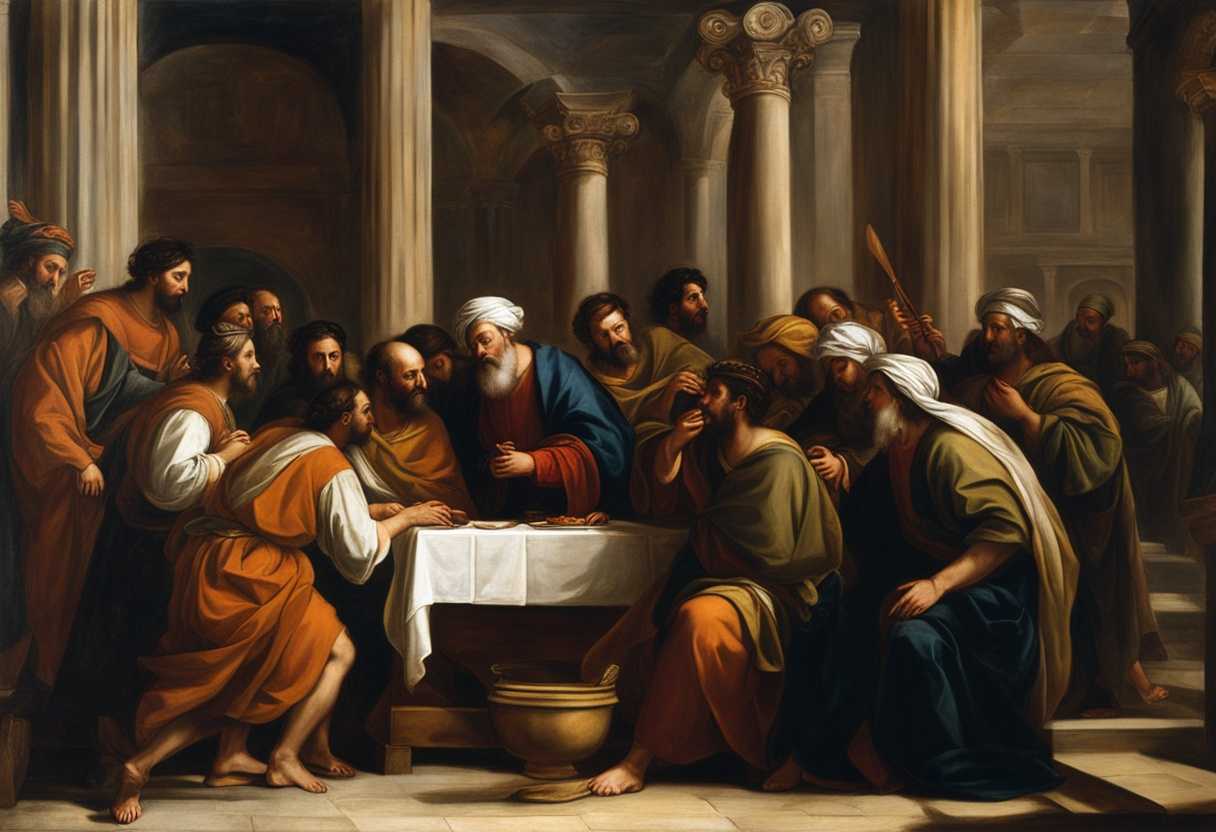
Scripture
15 Then the Pharisees went and plotted how to entangle him in his words.
16 And they sent their disciples to him, along with the Herodians, saying, “Teacher, we know that you are true and teach the way of God truthfully, and you do not care about anyone’s opinion, for you are not swayed by appearances.
17 Tell us, then, what you think. Is it lawful to pay taxes to Caesar, or not?”
18 But Jesus, aware of their malice, said, “Why put me to the test, you hypocrites?
19 Show me the coin for the tax.” And they brought him a denarius.
20 And he said to them, “Whose likeness and inscription is this?”
21 They said to him, “Caesar’s.” Then he said to them, “Therefore render to Caesar the things that are Caesar’s, and to God the things that are God’s.”
22 When they heard it, they marveled. And they left him and went away.
Meaning of Herodians in the Bible
The Herodians, as seen within the New Testament, primarily identify as a political faction loyal to the ruling Herodian dynasty, which maintained authority under Roman rule in Judea. They are mentioned in contexts that suggest a shared interest in sustaining the political status quo, particularly against the backdrop of the rising influence of Jesus and his followers. In Mark 3:6, it is stated that the Herodians conspired with the Pharisees to find a way to destroy Jesus, highlighting their role as adversaries of the nascent Christian movement. By aligning themselves with the Pharisees—who were primarily focused on religious law—the Herodians demonstrate a complex intertwining of politics and religion, indicating their strategic interest in countering threats to their authority, thus emphasizing their pragmatic approach to maintain stability within their sphere of influence.
The broader significance of the Herodians within the biblical narrative reflects a tension between worldly power and spiritual authority. Their existence illustrates how political entities often opposed the radical teachings of Jesus, which challenged prevailing social and religious norms. For instance, in Mark 12:13-17, the Herodians approach Jesus with a question about paying taxes to Caesar, hoping to entrap him. Jesus’ response, famously instructing to “render unto Caesar the things that are Caesar’s, and to God the things that are God’s,” (Mark 12:17) showcases the duality of allegiance—wherein earthly governance must be navigated while remaining faithful to divine principles. This incident not only signifies the clash between the Herodians’ political motivations and Jesus’ spiritual mission, but it also serves as a cautionary reminder of the inherent conflict between following God and succumbing to human authority, highlighting the call for believers to discern and prioritize their commitments amidst competing claims on their loyalty.
The Herodians’ role within the New Testament narrative reflects an intricate matrix of political dynamics during the time of Jesus, revealing how such affiliations can influence social and religious discourse. Their allegiance to Herod and, by extension, Roman authority signifies a commitment to the structures of power that defined first-century Judea. Unlike the Pharisees, who were invested in the meticulous observance of the Law, the Herodians operated from a perspective that was pragmatic and often opportunistic, suggesting that their primary concern was the maintenance of their political standing and privileges in a volatile environment. This strategic alignment underscores the complexities of governance in a client kingdom under Roman dominion, positioning the Herodians as defenders of a status quo that was increasingly threatened by Jesus’ radical teachings on justice, love, and community.
Moreover, the interaction between the Herodians and Jesus serves to illuminate the broader spiritual implications of political allegiance within the biblical framework. As Jesus’ following grew, so too did the stakes for those in power; the Herodians’ active role in seeking to undermine Jesus reflects the fear that the challenge to their sovereignty posed. This scenario raises profound questions about the interplay between faith and politics, effectively portraying how individuals and groups may prioritize earthly power at the expense of authentic spiritual fidelity. The Herodians symbolize a faction that embodies the potential compromises that believers may face when contending with earthly authorities, highlighting the biblical call to navigate worldly affairs with discernment, while remaining anchored in a higher moral and spiritual cause. This tension invites reflection on the continued relevance of such dynamics in contemporary faith practices amid competing allegiances in today’s socio-political landscape.
Political Alliance with Herod
The Herodians were a political group that supported the rule of Herod Antipas, a Roman client king. Their alignment with Herod signifies a broader theme of political compromise and collaboration with secular authorities. This relationship illustrates the complexities of governance in a region under Roman occupation, where local leaders had to navigate their loyalty to both the Roman Empire and their own cultural or religious identities.
Opposition to Jesus’ Teachings
The Herodians often found themselves in opposition to the teachings of Jesus, particularly regarding issues of authority and taxation. This opposition highlights the tension between religious beliefs and political power. The Herodians’ interactions with Jesus serve as a representation of the broader conflict between the emerging Christian movement and established political structures, emphasizing the challenges faced by early Christians in a politically charged environment.
Symbol of Moral Ambiguity
The Herodians can also be seen as a symbol of moral ambiguity, representing those who prioritize political gain over ethical considerations. Their willingness to align with Herod, despite his controversial rule and actions, reflects a broader theme of the struggle between faithfulness to God and the allure of worldly power. This moral complexity invites reflection on the choices individuals and groups make when confronted with the demands of faith versus the temptations of political expediency.
How to Strengthen Your Faith Amidst Political Challenges
Navigating the turbulent waters of political challenges can often feel overwhelming, but it’s essential to remember that our faith is a steadfast anchor in these stormy seas. To strengthen your faith during such times, immerse yourself in prayer and scripture; let the words of the Bible remind you of God’s sovereignty and love, even when the world feels chaotic. Surround yourself with a community of believers who can uplift and encourage you, sharing in both your concerns and your hopes. Engage in open, respectful conversations about your beliefs and values, allowing your faith to guide your perspective rather than the noise of the political arena. Finally, practice acts of kindness and service, reflecting Christ’s love in tangible ways; this not only reinforces your faith but also serves as a beacon of hope to others. Remember, our ultimate allegiance is to God’s kingdom, and by keeping our eyes fixed on Him, we can navigate any political storm with grace and confidence.
Bible References to the Herodians’ Meaning:
Mark 3:1-6: 1 Again he entered the synagogue, and a man was there with a withered hand.
2 And they watched Jesus, to see whether he would heal him on the Sabbath, so that they might accuse him.
3 And he said to the man with the withered hand, “Come here.”
4 And he said to them, “Is it lawful on the Sabbath to do good or to do harm, to save life or to kill?” But they were silent.
5 And he looked around at them with anger, grieved at their hardness of heart, and said to the man, “Stretch out your hand.” He stretched it out, and his hand was restored.
6 The Pharisees went out and immediately held counsel with the Herodians against him, how to destroy him.
Mark 12:13-17: 13 And they sent to him some of the Pharisees and some of the Herodians, to trap him in his talk.
14 And they came and said to him, “Teacher, we know that you are true and do not care about anyone’s opinion. For you are not swayed by appearances, but truly teach the way of God. Is it lawful to pay taxes to Caesar, or not?
15 But, knowing their hypocrisy, he said to them, “Why put me to the test? Bring me a denarius and let me look at it.”
16 And they brought one. And he said to them, “Whose likeness and inscription is this?” They said to him, “Caesar’s.”
17 Jesus said to them, “Render to Caesar the things that are Caesar’s, and to God the things that are God’s.” And they marveled at him.
Luke 20:20-26: 20 So they watched him and sent spies, who pretended to be sincere, that they might catch him in something he said, so as to deliver him up to the authority and jurisdiction of the governor.
21 So they asked him, “Teacher, we know that you speak and teach rightly, and show no partiality, but truly teach the way of God.
22 Is it lawful for us to give tribute to Caesar, or not?”
23 But he perceived their craftiness, and said to them,
24 “Show me a denarius. Whose likeness and inscription does it have?” They said, “Caesar’s.”
25 He said to them, “Then render to Caesar the things that are Caesar’s, and to God the things that are God’s.”
26 So they were unable to catch him in what he said before the people, and marveling at his answer, they became silent.

Reverend Ogunlade is a seasoned Church Minister with over three decades of experience in guiding and nurturing congregations. With profound wisdom and a serene approach, Reverend Ogunlade has carried out various pastoral duties, including delivering uplifting sermons, conducting religious ceremonies, and offering sage counsel to individuals seeking spiritual guidance. Their commitment to fostering harmony and righteousness within their community is exemplified through their compassionate nature, making them a beloved and trusted figure among the congregation.