
The name Nathanael, often associated with Nathania, means “gift of God” in Hebrew. In the New Testament, Nathanael is recognized as a disciple of Jesus, highlighted for his initial skepticism and subsequent affirmation of Christ’s divinity (John 1:45-51).
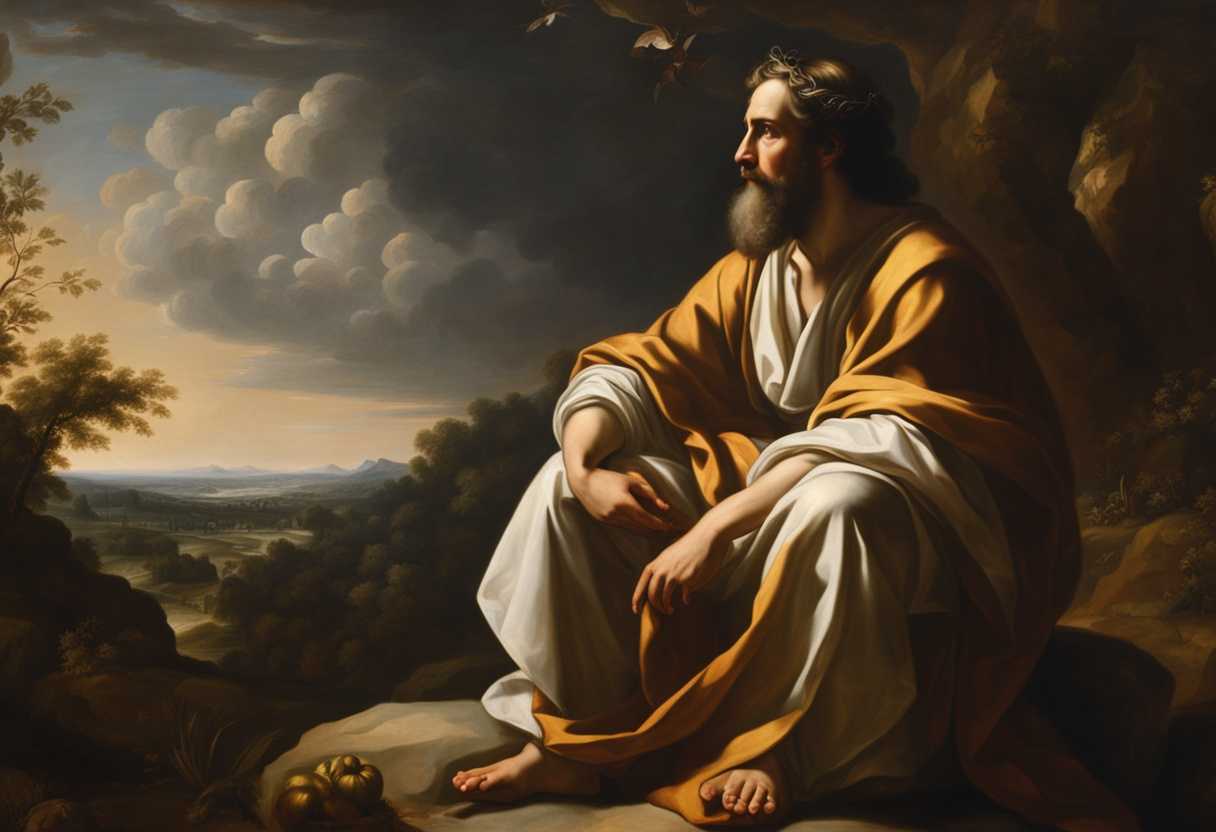
Scripture
2 Of the sons of Asaph: Zaccur, Joseph, Nethaniah, and Asharelah, sons of Asaph, under the direction of Asaph, who prophesied under the direction of the king.
3 They were all under the direction of their father in the music in the house of the Lord with cymbals, harps, and lyres for the service of the house of God.
4 Of Heman, the sons of Heman: Bukkiah, Mattaniah, Uzziel, Shebuel and Jerimoth, Hananiah, Hanani, Eliathah, Giddalti, and Romamti-ezer, Joshbekashah, Mallothi, Hothir, and Mahazioth.
5 All these were the sons of Heman the king’s seer, according to the promise of God to exalt him, for God had given Heman fourteen sons and three daughters.
6 They were all under the direction of their father in the music in the house of the Lord with cymbals, harps, and lyres for the service of the house of God.
Meaning of Nathania in the Bible
The name Nathanael, derived from the Hebrew “Nathania,” which translates to “gift of God,” carries rich theological implications within the biblical narrative. This idea is intertwined with the overarching message of grace and divine favor that permeates both the Old and New Testaments. In John 1:45-51, Nathanael is first introduced as a seeker of truth, expressing skepticism when Philip claims to have found the Messiah from Nazareth. However, his immediate encounter with Jesus transforms his doubt into a profound declaration of faith: “Rabbi, you are the Son of God; you are the King of Israel” (John 1:49). This moment illustrates not only the personal journey of belief but also highlights the broader concept of how God’s gifts—be it revelation or understanding—can lead individuals from doubt to faith.
Moreover, Nathanael’s story symbolizes the notion that all believers are gifts of God, called to respond to His invitation of grace. This theme echoes throughout Scripture, encouraging believers to recognize their identities as both recipients and bearers of God’s love and truth. As Paul writes, “For we are his workmanship, created in Christ Jesus for good works” (Ephesians 2:10), reflecting the idea that every encounter with Christ, like that of Nathanael, can initiate a transformative journey. Thus, Nathanael represents not just an individual disciple but serves as an archetype for all believers—in their struggles, questions, and eventual acceptance of God’s ultimate gift of salvation through Jesus Christ.
The significance of Nathanael, or Nathania, extends beyond his individual encounter with Jesus, encapsulating a broader understanding of divine purpose in the lives of believers. The portrayal of Nathanael invites a reflection on the nature of faith as it interacts with the complexities of human skepticism. His journey emphasizes that doubt is a natural part of one’s spiritual path and that genuine encounters with the divine can provide clarity and affirmation. This theme resonates with numerous biblical figures who wrestled with their faith, demonstrating that God often chooses to work through our uncertainties to reveal His plans, reinforcing the idea that everyone has the potential to be a “gift” to others through their experiences of grace.
Furthermore, Nathanael’s recognition of Jesus as the “Son of God” signifies a deeper acknowledgment of the messianic fulfillment of Jewish prophecy. This echoes the sentiment found in the Psalms, where God’s gifts—wisdom, insight, and understanding—are consistently portrayed as blessings that guide His people. By acknowledging Nathanael’s transformation, readers are encouraged to see their own narratives as part of a divine tapestry woven by God’s hand. In this framework, Nathanael becomes a symbol of hope; each believer, like him, is invited to explore the depths of their faith, recognize their unique contributions to God’s kingdom, and ultimately celebrate their identity as beloved “gifts of God,” called to share His light with a world in need of reassurance and truth.
Divine Gift and Purpose
The name Nathania, which translates to “gift of God,” signifies the belief that individuals bearing this name are seen as blessings or divine gifts to their families and communities. This concept emphasizes the idea that every person has a unique purpose and calling, reflecting the belief that God bestows gifts upon humanity for a greater purpose. In this context, Nathania serves as a reminder of the inherent value and potential within each individual, encouraging them to recognize and fulfill their God-given roles.
Revelation and Insight
Nathania is often associated with the theme of revelation, particularly in the context of recognizing truth and understanding one’s identity in relation to God. The name suggests a journey of discovery, where individuals are called to seek deeper insights into their faith and relationship with the divine. This aspect highlights the importance of spiritual awakening and the transformative power of recognizing one’s place within God’s plan, encouraging believers to pursue wisdom and understanding.
Connection to Community
The name Nathania also embodies the idea of community and fellowship. As a name that signifies a gift, it implies that individuals are not only meant to receive but also to share their gifts with others. This fosters a sense of belonging and interconnectedness within the body of believers, emphasizing the importance of supporting one another in faith and service. Nathania thus serves as a call to engage actively in community life, using one’s unique gifts to uplift and encourage others in their spiritual journeys.
How to Embrace God’s Gifts for a Blessed Life
Embracing God’s gifts for a blessed life starts with cultivating a heart of gratitude and openness to His grace. Each day, take a moment to reflect on the blessings you often overlook—whether it’s the warmth of a loved one’s smile, the beauty of nature, or the simple joy of a quiet moment in prayer. Acknowledge that these gifts are not just random occurrences but expressions of God’s love for you. As you deepen your relationship with Him through prayer and scripture, you’ll begin to see how these gifts can be shared with others, creating a ripple effect of kindness and compassion. Remember, being a better Christian isn’t about perfection; it’s about recognizing and celebrating the divine gifts in your life and using them to uplift those around you. So, open your heart, embrace these blessings, and watch how they transform not only your life but also the lives of those you touch.
Bible References to the Name Nathania:
1 Chronicles 25:12-14: 12 the sixth to Bukkiah, his sons and his brothers, twelve;
13 the sixth to Bukkiah, his sons and his brothers, twelve;
14 The twenty-fourth to Romamti-ezer, his sons, and his brothers, twelve.
1 Chronicles 25:15-17: 15 The eighth to Jeshaiah, his sons and his brothers, twelve;
16 The nineteenth to Pethahiah, the twentieth to Jehezkel,
17 the sixth to Bukkiah, his sons and his brothers, twelve;
1 Chronicles 25:18-20: 18 the thirteenth to Shuppim, his sons and his brothers, twelve;
19 These were the divisions of the gatekeepers among the Korahites and the sons of Merari.
20 the thirteenth to Shubael, his sons and his brothers, twelve;
1 Chronicles 25:21-23: 21 the thirteenth to Shubael, his sons and his brothers, twelve;
22 The twenty-third to Delaiah, the twenty-fourth to Maaziah.
23 As for the rest of the Kohathites: their duty was to assist the musicians with the service of the house of God.
1 Chronicles 25:24-26: 24 The twenty-third to Delaiah, the twenty-fourth to Maaziah.
25 They were all under the direction of their father in the music in the house of the Lord with cymbals, harps, and lyres for the service of the house of God.
26 the thirteenth to Huppah, the fourteenth to Jeshebeab,
1 Chronicles 25:27-29: 27 The twenty-first to Hothir, the twenty-second to Giddalti,
28 The twenty-fifth to Mahazioth, the twenty-sixth to Eden.
29 As for the Izharites: Chenaniah and his sons were appointed to external duties for Israel, as officers and judges.
1 Chronicles 25:30-31: 30 The twenty-fourth to Romamti-ezer, his sons, and his brothers, twelve.
31 The twenty-fourth to Romamti-ezer, his sons, and his brothers, twelve.

Reverend Michael Johnson is an experienced Church Minister with a profound expertise in spirituality and guidance. With a serene presence and a compassionate heart, he has faithfully served his congregation for over 20 years, leading them on a spiritual journey towards inner peace and enlightenment. Reverend Johnson’s extensive knowledge of religious philosophies and profound understanding of human nature have made him a trusted confidant and mentor to many, as he seamlessly weaves his profound wisdom into life teachings. Reverend Johnson’s calming demeanor and empathetic nature continue to uplift and heal souls, nurturing a sense of unity and tranquility within his community.