
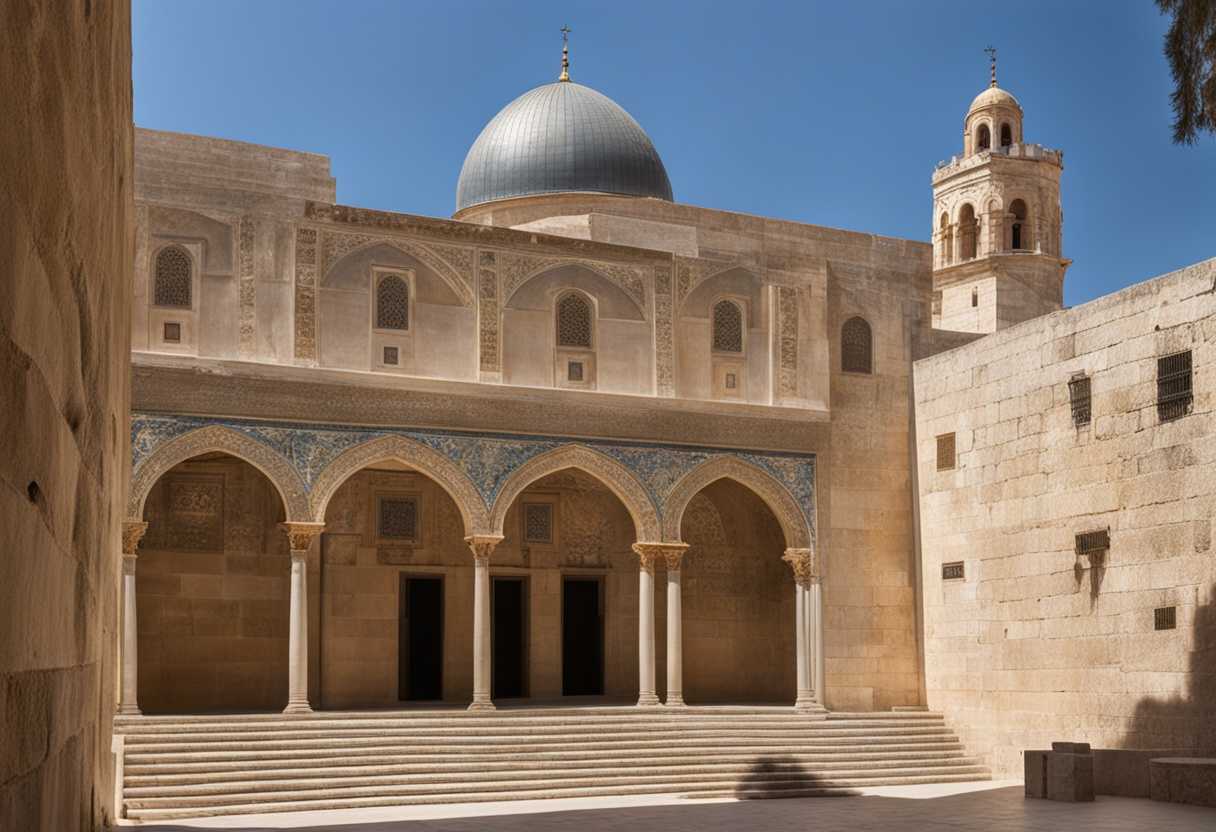
Zechariah: Visions, Prophecies, Restoration, And Future Hope
The Book of Zechariah provides a fascinating glimpse into a pivotal moment in ancient Israelite history. Written around 520-518 BCE, after the Babylonian exile, this prophetic work offers a window into the lives and spiritual struggles of the Jewish people as they sought to rebuild their lives and their relationship with God.
The setting is primarily the city of Jerusalem and its surrounding areas. Following the Babylonian conquest, Jerusalem lay in ruins, and the Jewish people had been forced to resettle in the land of their captors. However, with the fall of the Babylonian Empire and the rise of the Persian Empire under Cyrus the Great, the Jews were granted permission to return to their homeland and rebuild the temple.
The political landscape during this period was one of transition and uncertainty. The Persian Empire, under Darius I, exercised control over the region, but the Jews were given a degree of autonomy to govern their own affairs, leading to tensions and power struggles within the community.
The people of Zechariah’s time were grappling with the aftermath of the exile and the challenges of rebuilding their lives and their faith. Many were disillusioned and struggling to reconcile their past experiences with their hopes for the future. Zechariah’s messages sought to encourage and guide them, reminding them of God’s enduring presence and the promise of a brighter future.
The significance of the Book of Zechariah within the context of Christianity lies in its prophetic vision and its foreshadowing of the Messiah. Zechariah’s descriptions of a coming Anointed One, who would bring peace and salvation, were later interpreted by Christians as referring to Jesus Christ. The book’s emphasis on the restoration of Israel and the establishment of God’s kingdom on earth also resonated with the Christian understanding of the coming of the Messiah and the establishment of the Kingdom of God.
The Author of Zechariah
Zechariah, the author of the book in the Bible that bears his name, was a prophet and a priest. He was a contemporary of Haggai, both of whom played significant roles in encouraging the people of Judah to rebuild the temple in Jerusalem after their return from exile in Babylon. Zechariah was likely of Levitical descent, given his priestly background. He was deeply familiar with the religious customs and historical events of the Jewish people, as evidenced by the symbolism and references in his prophecies.
Zechariah’s primary motivation for writing the book bearing his name was to encourage and strengthen the returning Jewish exiles in the task of rebuilding the temple and renewing their covenant relationship with God. He did this by conveying messages of hope, restoration, and encouragement through his prophecies, visions, and symbolic acts. Zechariah, in addition to his role as a prophet, also served as a priest, which would have given him a unique perspective on the spiritual needs and challenges facing the community at that time. Despite facing his own personal challenges and the uncertainties of the post-exilic period, Zechariah remained faithful to God’s calling on his life and dedicated himself to delivering God’s messages to the people.
Overview of Zechariah
The book of Zechariah, found in the Old Testament, is a prophetic text that can be divided into two main sections. The first part, spanning chapters 1 through 8, contains a series of visions that Zechariah received directly from God. These visions are filled with symbolic imagery and messages, urging the people of Israel to repent, return to God, and rebuild the temple in Jerusalem. A key theme in these visions is the promise of restoration and blessing for the nation of Israel, as evidenced by Zechariah 8:12, which speaks of a bountiful harvest and the people inheriting all these good things.
The second half of the book, chapters 9 through 14, shifts to prophecies about the future, including the coming of the Messiah. Zechariah foretells the triumphal entry of the Messiah into Jerusalem, the betrayal of the Messiah for thirty pieces of silver, and the mourning of the people when they realize they have pierced the Messiah. These prophecies find their fulfillment in the life, death, and resurrection of Jesus Christ, as recorded in the New Testament.
Throughout the book of Zechariah, there is a strong emphasis on the sovereignty and faithfulness of God. The prophecies serve as a reminder that God is in control of history and that His promises will come to pass, as seen in Zechariah 4:6, “Not by might, nor by power, but by my Spirit, says the Lord of hosts.” The book also highlights the importance of obedience and devotion to God, as exemplified in Zechariah 7:9-10, which calls for just judgments, kindness, and mercy towards others.
The book of Zechariah is significant within Christianity because it contains prophecies that point to the coming of Jesus Christ as the Messiah. These prophecies being fulfilled in the life of Jesus demonstrates the divine inspiration and authority of the Bible. The book also serves as a source of encouragement and hope, reminding Christians of God’s faithfulness to His people and His ultimate plan of redemption for all humanity.
Key themes of Zechariah
Zechariah is about Hope
Zechariah is a book in the Bible that speaks a lot about hope. In Zechariah 9:12, it talks about how God promises to restore double to His people and in Zechariah 10:1, it mentions asking the Lord for rain in the time of the latter rain, showing that God is faithful to provide. The book also speaks of a future hope in Zechariah 14, where it describes a day when the Lord will be king over all the earth. This theme of hope runs throughout the book, reminding us that even in difficult times, we can trust in God’s promises and look forward to a future filled with hope and restoration.
Zechariah is about Restoration
The book of Zechariah emphasizes the theme of restoration, highlighting God’s promise to restore His people and their land. In Zechariah 1:16, God declares His zeal for Jerusalem and Zion, promising to return to them with mercy. The prophet encourages the people to repent and turn back to God, assuring them of His forgiveness and restoration (Zechariah 1:3, 3:7). Zechariah also prophesies about the coming of the Messiah, who will bring ultimate restoration and establish His kingdom (Zechariah 9:9). Through visions and messages, Zechariah conveys God’s plan to renew and rebuild His people, symbolized by the vision of Joshua the high priest being clothed in clean garments (Zechariah 3:1-5). The book of Zechariah ultimately points to the hope of restoration and redemption through God’s faithfulness and grace.
Zechariah is about Obedience
At the heart of the book of Zechariah lies the theme of obedience. Throughout the book, God calls His people to obey His commands and follow His ways. In Zechariah 1:4, the prophet urges the people to return to the Lord and He will return to them. Obedience is seen as a way to restore the broken relationship between God and His people. In Zechariah 7:9-10, the prophet emphasizes the importance of showing mercy and compassion to one another, rather than following their own selfish desires. Obedience is not just about following rules, but about living a life that reflects God’s character of love and justice. In Zechariah 8:16-17, the prophet encourages honesty, integrity, and peace among the people, highlighting that obedience leads to blessings and prosperity. Ultimately, the book of Zechariah teaches us that true obedience to God brings about restoration, blessings, and a closer relationship with Him.
Zechariah is about Repentance
Repentance is a key theme in the book of Zechariah, emphasizing the importance of turning away from sin and returning to God. In Zechariah 1:3, the prophet calls for the people to repent and return to the Lord, promising that God will also return to them. The book highlights the need for sincere repentance, not just outward rituals, as seen in Zechariah 7:9-10. Zechariah 12:10 speaks of a future day when the people will look upon the one they have pierced and mourn, a picture of deep repentance and sorrow for sin. Ultimately, Zechariah points to the hope of forgiveness and restoration that comes through genuine repentance, showing that God is ready to forgive and bless those who turn back to Him.
Important Verses in Zechariah:
Zechariah 1:3: 3 Therefore say thou unto them, Thus saith the Lord of hosts; Turn ye unto me, saith the Lord of hosts, and I will turn unto you, saith the Lord of hosts.
Zechariah 4:6: 6 Then he answered and spake unto me, saying, This is the word of the Lord unto Zerubbabel, saying, Not by might, nor by power, but by my spirit, saith the Lord of hosts.
Zechariah 7:9-10: 9 Thus speaketh the Lord of hosts, saying, Execute true judgment, and shew mercy and compassions every man to his brother:
10 And oppress not the widow, nor the fatherless, the stranger, nor the poor; and let none of you imagine evil against his brother in your heart.
Zechariah 8:16-17: 16 These are the things that ye shall do; Speak ye every man the truth to his neighbour; execute the judgment of truth and peace in your gates:
17 And let none of you imagine evil in your hearts against his neighbour; and love no false oath: for all these are things that I hate, saith the Lord.
Zechariah 9:9: 9 Rejoice greatly, O daughter of Zion; shout, O daughter of Jerusalem: behold, thy King cometh unto thee: he is just, and having salvation; lowly, and riding upon an ass, and upon a colt the foal of an ass.
Zechariah 12:10: 10 And I will pour upon the house of David, and upon the inhabitants of Jerusalem, the spirit of grace and of supplications: and they shall look upon me whom they have pierced, and they shall mourn for him, as one mourneth for his only son, and shall be in bitterness for him, as one that is in bitterness for his firstborn.
Zechariah 13:1: 1 In that day there shall be a fountain opened to the house of David and to the inhabitants of Jerusalem for sin and for uncleanness.
Zechariah 14:9: 9 And the Lord shall be king over all the earth: in that day shall there be one Lord, and his name one.

Reverend Michael Johnson is an experienced Church Minister with a profound expertise in spirituality and guidance. With a serene presence and a compassionate heart, he has faithfully served his congregation for over 20 years, leading them on a spiritual journey towards inner peace and enlightenment. Reverend Johnson’s extensive knowledge of religious philosophies and profound understanding of human nature have made him a trusted confidant and mentor to many, as he seamlessly weaves his profound wisdom into life teachings. Reverend Johnson’s calming demeanor and empathetic nature continue to uplift and heal souls, nurturing a sense of unity and tranquility within his community.