
27 “Benjamin is a ravenous wolf,
in the morning devouring the prey
and at evening dividing the spoil.”
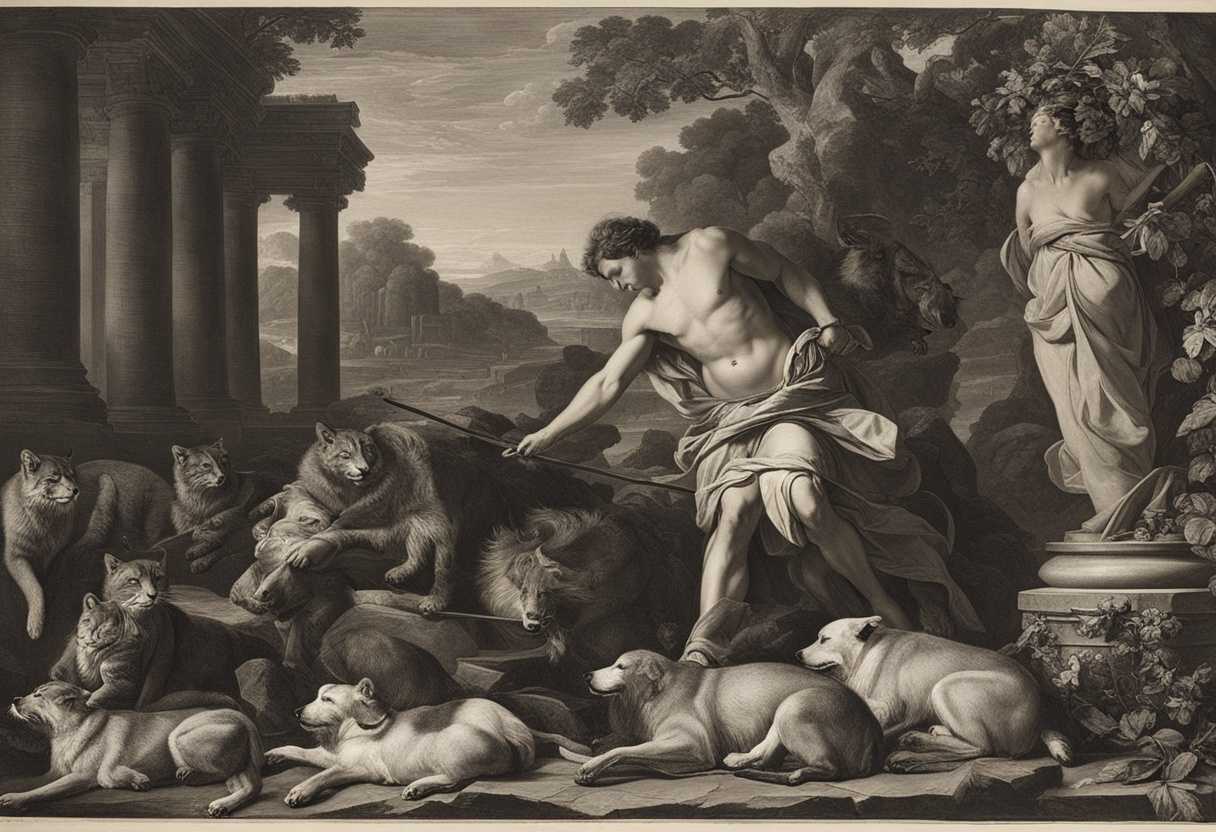
Setting the Scene for Genesis 49:27
In Genesis chapter 49, we find Jacob, also known as Israel, on his deathbed. He calls his twelve sons to his side to bless them and prophesy over their future. The scene is set in a dimly lit tent, with the flickering light of oil lamps casting shadows on the faces of the gathered family members. The air is heavy with the scent of myrrh and frankincense, creating an atmosphere of solemnity and reverence.
Jacob’s sons, including Reuben, Simeon, Levi, Judah, and the others, are gathered around their father, their faces a mix of anticipation and trepidation as they await his words. Each son has a unique personality and history, and Jacob’s blessings and prophecies reflect his deep knowledge of their strengths, weaknesses, and destinies. The weight of his words hangs in the air, as each son listens intently to what their father has to say about their future.
As Jacob speaks, his voice is filled with emotion and wisdom, his words carrying the weight of a lifetime of experiences and encounters with God. The scene is a poignant moment of transition, as the patriarch imparts his final blessings and instructions to his sons before he passes away. The legacy of Jacob’s words will shape the future of the twelve tribes of Israel, setting the stage for the unfolding drama of their lives and the fulfillment of God’s promises.
What is Genesis 49:27 about?
Jacob is blessing his sons before his death in this verse from the Book of Genesis, and he is speaking about his son Benjamin. He describes Benjamin as a ravenous wolf, which is a powerful and fierce predator that hunts for its food. Jacob highlights Benjamin’s strength, cunning, and ability to seize opportunities to thrive and succeed by using this metaphor. Jacob is suggesting that Benjamin is ambitious, strategic, and resourceful by comparing him to a wolf that devours its prey in the morning and divides the plunder in the evening. The imagery of hunting and dividing the spoils emphasizes Benjamin’s ability to not only seize opportunities but also to carefully manage and distribute the rewards of his efforts. Reflect on this verse as you consider the qualities of a wolf – independence, adaptability, and survival instincts. Think about how these traits may apply to Benjamin and how they can serve as a metaphor for our own lives. Are there times when we need to be bold and proactive like a wolf in order to achieve our goals? How can we learn from Benjamin’s example and harness our own inner strength and determination to overcome challenges and thrive in our endeavors?
Understanding what Genesis 49:27 really means
Structure for Commentary:
- Introduction and Context
- Key Phrases and Their Meanings
- Cross-References to Other Biblical Passages
- Relevance to Modern Life
- Anecdotal Insight
- Conclusion and Reflection
Introduction and Context
Genesis 49:27 is part of Jacob’s blessing to his sons before his death. Each son receives a distinct prophecy about their future. Benjamin, the youngest, receives a unique and metaphorical blessing. Understanding the significance of this verse requires us to look at the blessings collectively, shaping the future tribes of Israel.
Key Phrases and Their Meanings
One notable phrase in this verse is “Benjamin is a ravenous wolf.” This imagery conveys strength, aggression, and a fervent nature that would characterize the tribe of Benjamin. The words “in the morning he devours the prey, and in the evening he divides the plunder” reflect the tribe’s duality in action—both as warriors, and as those who share in the spoils of their victories.
The metaphorical language emphasizes a life filled with dynamic, assertive action from beginning to end. The “morning” and “evening” signify a lifecycle, suggesting that Benjamin’s zeal and impact would span generations. The capabilities of the Benjaminites are mentioned in Judges 20:16, where it states, “Among all these were 700 chosen men who were left-handed; every one could sling a stone at a hair and not miss.”” This speaks to their precision and skill in battle, resonating with the “ravenous wolf” imagery.
Additionally, Philippians 3:5 records the Apostle Paul identifying himself as “of the tribe of Benjamin,” underscoring the enduring significance of Benjamin’s lineage. Paul’s missionary zeal aligns with the vigorous nature assigned to Benjamin, exemplifying the tribe’s impact long after the Old Testament period.
Relevance to Modern Life
The imagery of a “ravenous wolf” can be daunting, but it also represents determination and an unwavering spirit. Today, we can relate this to the virtues of resilience and assertiveness in pursuing our goals with integrity and sharing our successes with others.
Another aspect is the balance between aggression and generosity. While Benjamin is fierce in the morning, he shares the bounty in the evening. How might modern Christians balance ambition and compassion in their own lives? A small business owner, like a ravenous wolf, attacks his goals with fervor each day. His hard work leads to success, but he always remembers to give back to his community. He sponsors local events, donates to charity, and invests in local youth programs. His journey mirrors Benjamin’s, showing that fervor in action coupled with benevolence in sharing yields a life well-lived.
Conclusion and Reflection
Reflecting on Genesis 49:27, we find that the attributes of Benjamin—a mix of strength, determination, and generosity—offer valuable lessons. Balancing our ambition with compassion as we navigate our lives is crucial to not only achieving but also contributing positively to those around us. What characteristics do you see in yourself that mirror Benjamin’s? How do you strive to balance your ambitions with your responsibilities to others? We can draw from the Bible’s timeless wisdom by considering these questions and applying it thoughtfully to our daily lives.
How can we honor our spiritual heritage?
We can honor our spiritual heritage by reflecting on the blessings and promises that have been passed down to us from our ancestors. Just as the verse from Genesis 49 recounts blessings bestowed upon the tribe of Benjamin, we can recognize the unique gifts that have been handed down to us through our family lineage and spiritual heritage. We honor the traditions and values that have shaped our identity by acknowledging and appreciating the qualities and blessings that have been part of our ancestry.
Furthermore, we can honor our spiritual heritage by carrying forward the teachings and values that have been imparted to us by our ancestors. We can embody the virtues and qualities that have been instilled in us by those who came before, just as the verse speaks of Benjamin being a “ravenous wolf,” symbolizing strength and courage. We continue the legacy of our spiritual heritage and ensure that the wisdom of our ancestors is not forgotten but is instead handed down to future generations by living out these values in our daily lives.
Finally, honoring our spiritual heritage can also include deepening our understanding of the traditions and beliefs that have been passed down to us. We can delve into the teachings and stories of our spiritual lineage to gain insight and inspiration for our own journey, just as the verse from Genesis 49 carries significance and meaning for the tribe of Benjamin. Studying and reflecting on the lessons and principles of our heritage can strengthen our connection to our spiritual roots and cultivate a richer appreciation for the path that has brought us to where we are today.
Application
Think of Genesis 49:27 like a treasure chest filled with strength and blessings from your ancestors. Let this verse light a spark in you to carry forward the faith and power you’ve been given. Use it to live a life filled with purpose, embodying the resilience and faithfulness of those who came before you. Will you now step up and embrace the authority and blessings that are your birthright?

Reverend Michael Johnson is an experienced Church Minister with a profound expertise in spirituality and guidance. With a serene presence and a compassionate heart, he has faithfully served his congregation for over 20 years, leading them on a spiritual journey towards inner peace and enlightenment. Reverend Johnson’s extensive knowledge of religious philosophies and profound understanding of human nature have made him a trusted confidant and mentor to many, as he seamlessly weaves his profound wisdom into life teachings. Reverend Johnson’s calming demeanor and empathetic nature continue to uplift and heal souls, nurturing a sense of unity and tranquility within his community.