
20 Then Jacob made a vow, saying, “If God will be with me and will keep me in this way that I go, and will give me bread to eat and clothing to wear,
21 so that I come again to my father’s house in peace, then the Lord shall be my God,
22 And this stone, which I have set up for a pillar, shall be God’s house. And of all that you give me I will give a full tenth to you.”
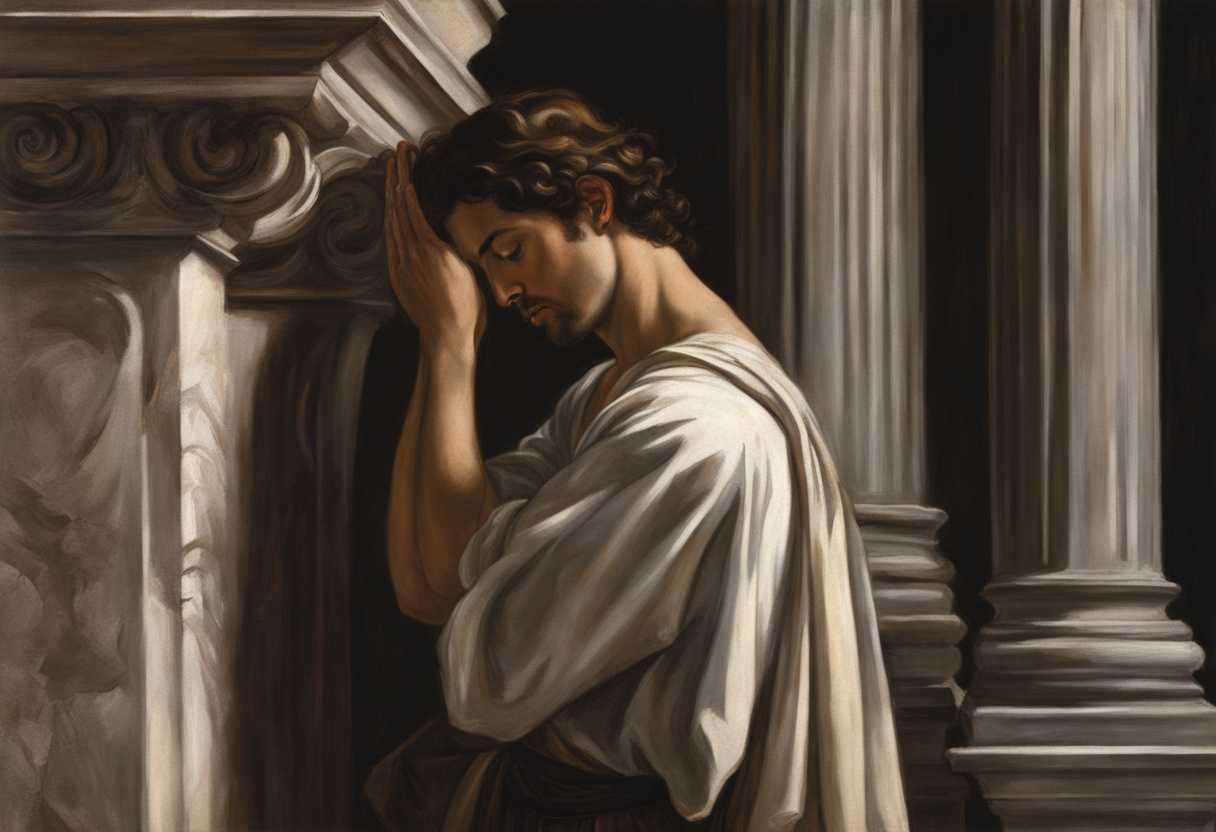
Setting the Scene for Genesis 28:20-22
In Genesis chapter 28, we find Jacob on a journey to Haran. He had just left his home after deceiving his father, Isaac, to receive the blessing meant for his brother, Esau. As night falls, Jacob finds himself in a desolate place, with only a stone for a pillow. Exhausted and alone, he lays down to rest, using the hard ground as his bed.
As Jacob sleeps, he has a remarkable dream. In this dream, he sees a stairway reaching from earth to heaven, with angels ascending and descending on it. At the top of the stairway stands the Lord, who reaffirms the covenant made with Jacob’s grandfather, Abraham, and his father, Isaac. God promises to be with Jacob, to protect him, and to bring him back to the land he is now journeying away from. Overwhelmed by this encounter, Jacob wakes up and declares that this place is none other than the house of God and the gateway to heaven.
In this scene, we see Jacob, a complex character in the Bible, at a pivotal moment in his life. Alone in the wilderness, he encounters God in a profound and personal way. The surroundings are stark and barren, emphasizing Jacob’s vulnerability and the unexpected nature of his encounter. This moment marks a turning point for Jacob, setting him on a path of transformation and redemption as he continues his journey to Haran and beyond.
What is Genesis 28:20-22 about?
Jacob in this verse is making a vow to God at Bethel, promising to give a tenth of all he has. This act of giving a tenth, also known as tithing, was a common practice in biblical times as a way to show gratitude to God and to support religious institutions and those in need. Jacob is demonstrating his faith and commitment to God by making this vow, acknowledging God’s role in his life and his blessings.
Have you ever thought about how you can show your gratitude to God for all the blessings in your life? Tithing is not just about giving money or material possessions, but it is also a way to show your trust and dependence on God. It is a way to practice generosity and to support the work of God’s kingdom on earth. Like Jacob, we can also make vows to God and commit to giving back a portion of what we have received, as a way to honor God and express our thankfulness. Let us consider how to incorporate the practice of tithing into our own lives as we reflect on this verse. How can we show our commitment to God and support the work of His kingdom through our giving? May we be inspired by Jacob’s example to be generous, faithful, and grateful in all that we do.
Understanding what Genesis 28:20-22 really means
Structure for the Commentary
- Introduction and Context:
- Introduce the verse and its context within the Book of Genesis.
-
Briefly summarize the surrounding narrative.
-
Detailed Examination:
- Highlight and dissect key phrases within the verse.
-
Explain the underlying meaning of these phrases.
-
Biblical Connections:
- Reference other Bible passages that relate to this verse.
-
Discuss how these connections enhance our understanding.
-
Relevance Today:
- Explain why this verse is pertinent in contemporary times.
-
Provide an anecdote to illustrate its modern application.
-
Engaging the Reader:
- Pose reflective questions to the reader.
- Summarize the main points and encourage personal contemplation or action. Jacob makes a vow to God after his vision of the ladder reaching to heaven in Genesis 28:20-22. This episode occurs as Jacob is fleeing from his brother Esau and is on his way to Haran. He dreams of angels ascending and descending a ladder and receives a promise from God. Jacob vows to follow God under certain conditions in response.
Detailed Examination
The phrases “If God will be with me” and “then the Lord shall be my God” are central to understanding Jacob’s mindset. Jacob is essentially making a conditional promise, seeking assurance of divine provision and protection before committing himself fully. This moment is significant as it marks a turning point in Jacob’s faith journey, transforming from a man running from his past to one who acknowledges God’s role in his future.
Biblical Connections
Jacob’s vow echoes other biblical moments where individuals express their dependence on God for guidance and provision. For instance, in Psalm 23:1, “The Lord is my shepherd; I shall not want,” highlights reliance on God’s guidance and care. Similarly, in Judges 11:30-31, Jephthah makes a vow to God to ensure victory over the Ammonites. These narratives collectively underscore the theme of human reliance on divine promises.
Relevance Today
This verse remains relevant today as it encapsulates the essence of conditional faith turning into unwavering commitment. Many individuals in modern times face pivotal moments where they seek signs or assurances from God. Jacob’s story resonates because it reflects our own struggles with faith—our quests for assurance and signs before we fully surrender to God’s will. A young professional is considering a career change. Much like Jacob, they might seek signs that this new path is God-ordained before committing fully. Here, Jacob’s experience teaches us about the importance of faith in moving forward, encouraging us to trust God’s plan even when the road ahead is uncertain.
Engaging the Reader
Have you ever found yourself making conditional promises to God? What assurances are you seeking before fully committing yourself to His path? Reflect on moments when you have placed conditions on your faith and consider how Jacob’s story might inspire a shift towards unconditional trust. Genesis 28:20-22 is a powerful testament to the human tendency to seek divine assurance. It invites us to reflect on our own faith journeys, pushing us towards deeper, unconditional reliance on God. We can better navigate our own spiritual commitments and trust in God’s unwavering presence in our lives by understanding Jacob’s vow.
What vow can I make to serve God faithfully?
Based on the verses, you can make a vow to serve God faithfully by committing to give a portion of your earnings back to Him as a sign of acknowledgment for all that He has provided. You can promise to trust in God’s guidance and protection throughout your life’s journey and to always seek His presence wherever you go. Additionally, you can vow to honor God with your actions, words, and thoughts, striving to live a life that is pleasing to Him and in alignment with His will. Making such a vow is a way to demonstrate your commitment to God and your desire to walk in obedience to Him.
Application
Imagine you’ve just landed a game-changing job; Jacob felt the same after meeting God. Like Jacob promised a tenth of his wealth, are you ready to invest in something greater? Your dedication and trust in God could transform your life and future. Let’s look inward, commit to stewardship, and show our faith through action. Are you willing to step up and honor God with what you have today?

Reverend Michael Johnson is an experienced Church Minister with a profound expertise in spirituality and guidance. With a serene presence and a compassionate heart, he has faithfully served his congregation for over 20 years, leading them on a spiritual journey towards inner peace and enlightenment. Reverend Johnson’s extensive knowledge of religious philosophies and profound understanding of human nature have made him a trusted confidant and mentor to many, as he seamlessly weaves his profound wisdom into life teachings. Reverend Johnson’s calming demeanor and empathetic nature continue to uplift and heal souls, nurturing a sense of unity and tranquility within his community.