
1 “At that time, declares the Lord, the bones of the kings of Judah, the bones of its officials, the bones of the priests, the bones of the prophets, and the bones of the inhabitants of Jerusalem shall be brought out of their tombs.”
2 They shall be spread before the sun and the moon and all the host of heaven, which they have loved and served, which they have gone after, and which they have sought and worshiped. And they shall not be gathered or buried. They shall be as dung on the surface of the ground.
3 “Death shall be preferred to life by all the remnant that remains of this evil family in all the places where I have driven them, declares the Lord of hosts.”
4 “You shall say to them, Thus says the Lord: When men fall, do they not rise again? If one turns away, does he not return?”
5 Why then has this people turned away
in perpetual backsliding?
They hold fast to deceit;
they refuse to return.
6 I have paid attention and listened,
but they have not spoken rightly;
no man relents of his evil,
saying, ‘What have I done?’
Everyone turns to his own course,
like a horse plunging headlong into battle.
7 Even the stork in the heavens knows her times,
and the turtledove, swallow, and crane
keep the time of their coming,
but my people know not
the rules of the Lord.
8 How can you say, ‘We are wise,
and the law of the Lord is with us’?
But behold, the lying pen of the scribes
has made it into a lie.
9 The wise men shall be put to shame;
they shall be dismayed and taken;
behold, they have rejected the word of the Lord,
so what wisdom is in them?
10 Therefore I will give their wives to others
and their fields to conquerors,
because from the least to the greatest
everyone is greedy for unjust gain;
from prophet to priest,
everyone deals falsely.
11 They have healed the wound of my people lightly,
saying, ‘Peace, peace,’
when there is no peace.
12 Were they ashamed when they committed abomination?
No, they were not at all ashamed;
they did not know how to blush.
Therefore they shall fall among the fallen;
when I punish them, they shall be overthrown,
says the Lord.
13 When I would gather them, declares the Lord,
there are no grapes on the vine,
nor figs on the fig tree;
even the leaves are withered,
and what I gave them has passed away from them.”
14 Why do we sit still? Gather together; let us go into the fortified cities and perish there, for the Lord our God has doomed us to perish and has given us poisoned water to drink, because we have sinned against the Lord.
15 We looked for peace, but no good came; for a time of healing, but behold, terror.
16 The snorting of their horses is heard from Dan; at the sound of the neighing of their stallions the whole land quakes. They come and devour the land and all that fills it, the city and those who dwell in it.
17 For behold, I am sending among you serpents,
adders that cannot be charmed,
and they shall bite you,
declares the Lord.
18 My joy is gone; grief is upon me; my heart is sick within me.
19 Behold, the cry of the daughter of my people from the length and breadth of the land: “Is the Lord not in Zion? Is her King not in her?”
20 “The harvest is past, the summer is ended, and we are not saved.”
21 For the wound of the daughter of my people is my heart wounded; I mourn, and dismay has taken hold on me.
22 Is there no balm in Gilead? Is there no physician there? Why then has the health of the daughter of my people not been restored?
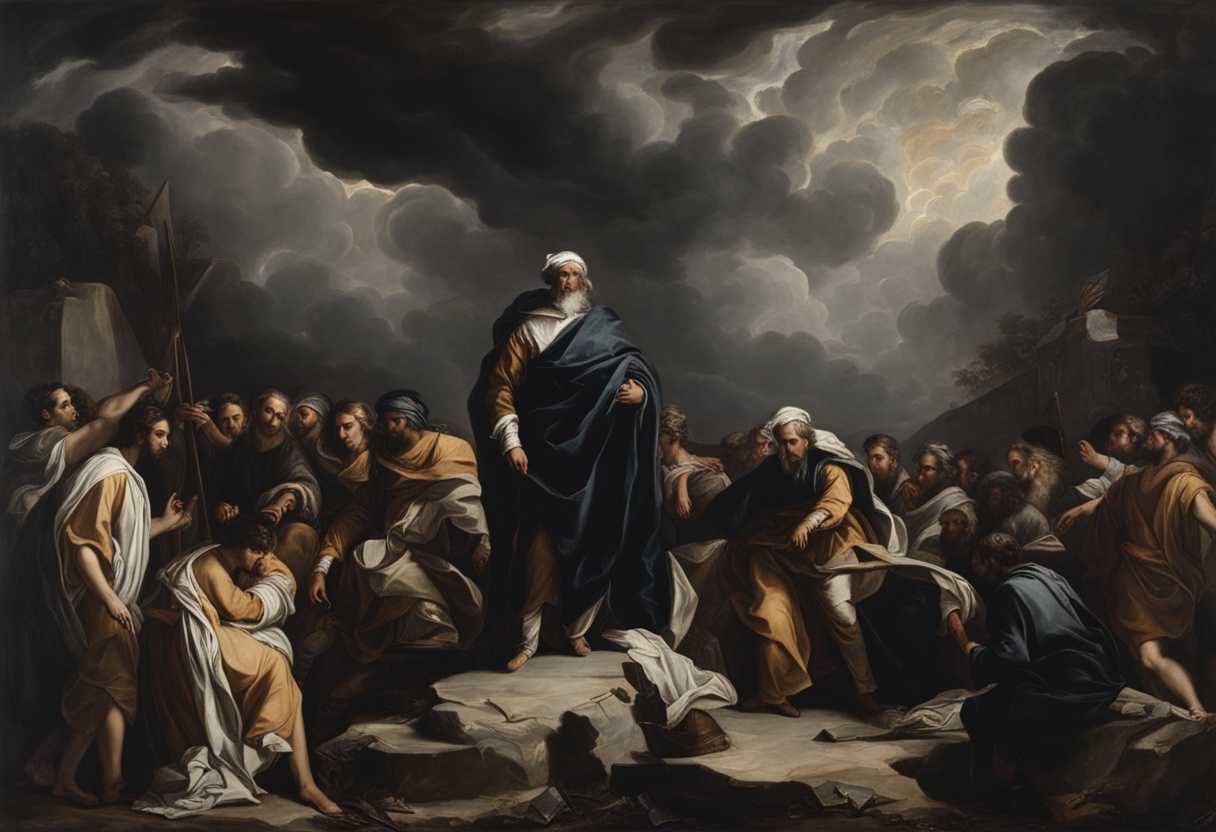
The True Meaning of Jeremiah 8
The book of Jeremiah was written by the prophet Jeremiah, a man called by God to speak His words to the people of Judah during a tumultuous time in their history. Jeremiah witnessed the downfall of the kingdom of Judah and the eventual exile of the people to Babylon. Jeremiah laments the spiritual and moral decline of his people in this chapter. He grieves over their stubborn refusal to repent and turn back to God, even as they face the consequences of their actions. Jeremiah’s words echo the warnings found in Deuteronomy, where Moses warned the Israelites about the dangers of forsaking the Lord (Deuteronomy 28). Jeremiah’s words remind us of the importance of heeding God’s call to repentance and the consequences of ignoring it as we read. The people’s rejection of God’s truth and their embrace of false gods and empty promises led them down a path of destruction. Jeremiah’s lament serves as a sobering reminder that when we turn away from God, we ultimately turn away from the source of life and true fulfillment.
Jeremiah 8:1-3
Jeremiah 8:1-3 vividly describes the aftermath of the impending destruction and exile that Judah is about to face. The beginning of this passage emphasizes the desolation that will befall the land of Judah – the bones of kings, officials, priests, prophets, and inhabitants of Jerusalem will be scattered before the sun and the moon and all the host of heaven, which they loved and served and followed. This imagery is a powerful reminder of the consequences of turning away from God and placing trust in created things rather than the Creator. The leaders and people who were once revered and respected will end up as mere scattered bones, a stark contrast to their former glory and power.
The mention of “the sun and the moon and all the host of heaven” alludes to the idolatrous practices that had crept into Judah. The worship of celestial bodies and other created things had become prevalent among the people, leading them further away from the true worship of Yahweh. This departure from God’s commandments and statutes is a recurring theme throughout the Old Testament. The people of Judah had forsaken the Lord, the fountain of living waters, and instead dug for themselves broken cisterns that could hold no water (Jeremiah 2:13).
Furthermore, the fate of the dismembered bodies – they will not be gathered or buried but will be left as refuse on the ground – symbolizes the disgrace and dishonor that will come upon those who reject God and follow after their own wicked ways. This is a stark reminder of the consequences of sin and disobedience, echoing the curses pronounced in Deuteronomy 28 for those who do not obey the commandments of the Lord. Jeremiah 8:1-3 serves as a warning to the people of Judah and to all who read these words today. It reminds us of the importance of remaining faithful to God and not turning to idols or worldly desires. The fate of those who reject God’s ways is destruction and desolation, while those who obey and follow Him will find life and fulfillment. God alone can satisfy the deepest longings of our hearts, so let us heed this warning and choose to walk in obedience to Him.
Jeremiah 8:4-7
Jeremiah is conveying a message from God about the people’s unrepentant and stubborn hearts in Jeremiah 8:4-7. The passage describes how the people of Judah have strayed from God’s ways and refused to turn back to Him. Identify the subject: “Let’s”
Rewritten sentence: Let’s break down this verse into important sections to delve deeper into its meaning. Jeremiah speaks for God in verse 4, saying, “Jerusalem is surrounded by enemies and will be destroyed because the people have turned away from me and are doing evil.”” This section highlights the consequence of the people’s actions – the impending destruction of Jerusalem due to their disobedience and unfaithfulness. This echoes the recurring theme in the Bible that turning away from God leads to suffering and destruction. It serves as a powerful reminder of the importance of remaining faithful and obedient to God’s commandments.
Moving on to verse 5, Jeremiah asks a rhetorical question on behalf of God, “Why then do these people stay on their self-destructive path, refusing to turn back to me?” Here, Jeremiah is questioning the people’s stubbornness and lack of repentance despite the clear consequences of their actions. This verse underscores the human tendency to persist in sinful behavior even when faced with the knowledge of its harmful outcomes. It prompts introspection on our own lives and encourages us to examine whether we too are stubborn in turning away from God’s ways.
Verse 6 provides a vivid illustration of the people’s obstinacy by likening them to a horse charging into battle. The imagery of a horse rushing headlong into danger without regard for its well-being portrays the recklessness and foolishness of the people’s actions. This comparison serves to emphasize the irrationality of ignoring God’s warnings and continuing down a destructive path. It serves as a cautionary tale for us to heed God’s guidance and avoid charging blindly into calamity.
Lastly, in verse 7, God expresses His disappointment in the people’s refusal to repent by stating, “Even the stork in the sky knows her appointed seasons, and the dove, the swift and the thrush observe the time of their migration. But my people do not know the requirements of the Lord.” This verse draws a poignant contrast between the instinctual behavior of birds following their natural rhythms and the people of Judah neglecting to follow God’s divine ordinances. It highlights the depth of the people’s disobedience and their failure to recognize and adhere to God’s instructions. This serves as a reminder of the importance of knowing and obeying God’s will, as ignorance or defiance of His commandments lead to spiritual desolation. Jeremiah 8:4-7 underscores the consequences of turning away from God, the human tendency towards stubbornness and sin, and the importance of repentance and obedience to God’s will. Through the prophet Jeremiah’s words, we are urged to reflect on our own relationship with God, acknowledge our faults, and seek His forgiveness and guidance. The timeless message of this passage resonates throughout the Bible, reaffirming the enduring importance of faith, repentance, and fidelity to God’s word.
Jeremiah 8:8-9
Jeremiah is delivering a message from the Lord to the people of Judah in Jeremiah 8:8-9. Let’s break down this verse into important sections to gain a deeper understanding of its meaning and implications.
Firstly, “How can you say, ‘We are wise, for we have the law of the Lord,’ when actually the lying pen of the scribes has handled it falsely?” This part of the verse is a direct rebuke to the religious leaders and scholars of Judah. The people were boasting of their wisdom and their adherence to the law of the Lord, but in reality, the scribes had distorted the teachings of God. This highlights the danger of relying solely on the outward appearance of spirituality without genuine devotion to God’s word. It serves as a reminder that mere knowledge of the law is not enough; true wisdom comes from understanding, obeying, and applying God’s teachings in a sincere and honest manner.
The reference to the “lying pen of the scribes” suggests corruption and deceit among those responsible for transcribing and interpreting the scriptures. This raises the issue of the misuse of power and authority for personal gain or to manipulate the truth for one’s own agenda. It serves as a cautionary tale about the importance of integrity and honesty, especially within religious leadership. The scribes were entrusted with preserving and teaching the law, but their deception led the people astray, contributing to the spiritual decay and moral decline of the nation.
The verse continues, “The wise will be put to shame; they will be dismayed and trapped. Since they have rejected the word of the Lord, what kind of wisdom do they have?” This portion underscores the consequences of turning away from God and His truth. Despite their claims of wisdom, the “wise” of Judah will ultimately be exposed and humiliated. Their supposed knowledge and intelligence will prove to be insufficient in the face of divine judgment. This serves as a warning against misplaced confidence in human wisdom and a reminder that true wisdom is found in reverence and obedience to God.
The verse implies that true wisdom is not found in human knowledge or intellectual prowess but in acknowledging and following God’s word. It challenges the notion of self-reliance and calls for a return to a genuine relationship with God based on humility, faith, and obedience. The failure of the scribes and the so-called wise men of Judah serves as a cautionary tale for all generations, emphasizing the importance of sincerity and authenticity in our worship and study of Scripture.
This passage echoes similar themes found throughout the Bible, such as the importance of genuine faith over empty rituals (Isaiah 29:13), the danger of false teachings and deceitful practices (Matthew 7:15-20), and the contrast between earthly wisdom and divine wisdom (1 Corinthians 1:20-25). It serves as a powerful reminder of the timeless message that true wisdom and righteousness come from embracing God’s word with a humble and obedient heart.
Jeremiah 8:10-12
Jeremiah is conveying a message from the Lord to the people of Judah in Jeremiah 8:10-12. Let’s break down this verse into key sections for a deeper understanding.
Starting with verse 10, it reads: “Therefore I will give their wives to other men and their fields to new owners. From the least to the greatest, all are greedy for gain; prophets and priests alike, all practice deceit.” This section begins with a declaration of impending judgment upon the people of Judah. The Lord is expressing his anger towards their sins, particularly their greed and dishonesty. The mention of giving their wives to other men and their fields to new owners symbolizes the consequences of their actions. It reflects the broken covenant between the people and God, where they are now going to face the loss of their possessions and loved ones due to their unfaithfulness.
Moving on to verse 11, it states: “They dress the wound of my people as though it were not serious. ‘Peace, peace,’ they say, when there is no peace.” Here, Jeremiah highlights the false prophets and priests who are trying to soothe the people’s fears by declaring peace when in reality there is no peace. These leaders are neglecting the serious wounds of the nation, both spiritual and physical, by offering superficial solutions and false reassurances. This verse serves as a warning against false teachings and empty promises that divert people from seeking true repentance and reconciliation with God.
Finally, in verse 12, we read: “Are they ashamed of their detestable conduct? No, they have no shame at all; they do not even know how to blush. So they will fall among the fallen; they will be brought down when they are punished, says the Lord.” This section reveals the lack of shame and remorse among the people of Judah for their sinful behavior. Their hearts have become so hardened that they do not feel remorse for their detestable actions, nor do they recognize the gravity of their sins. The Lord warns them that they will face the consequences of their deeds and be brought low in the midst of their punishment. This passage from Jeremiah 8 serves as a poignant reminder of the importance of genuine repentance, humility, and sincerity in our relationship with God. The verses expose the dangers of greed, deceit, false teachings, and pride, urging us to seek true peace through genuine repentance and obedience to God’s Word. It echoes themes found throughout the Bible, such as the importance of humility (Proverbs 3:34), the consequences of sin (Romans 6:23), and the need for genuine repentance (Acts 3:19).
Jeremiah 8:13-17
The Lord declares in Jeremiah 8:13-17 that He will take away their harvest. There will be no grapes on the vine. There will be no figs on the tree, and their leaves will wither. What I have given them will be taken from them. We can break down this passage into several key sections for a deeper understanding. “I will take away their harvest, declares the Lord.” – Here, God is expressing his judgment upon the people. The harvest was a crucial aspect of sustenance and provision for the Israelites. God is revealing the consequences of their disobedience and faithlessness by declaring that he will take away their harvest. This is a recurring theme in the Bible, where God’s judgment comes upon those who turn away from Him. It serves as a reminder that actions have consequences, and God is just in his dealings with his people.
-
“There will be no grapes on the vine. There will be no figs on the tree, and their leaves will wither.” – This imagery of barrenness and withering signifies a desolate and hopeless situation. The absence of grapes, figs, and withering leaves in a literal sense represents a lack of fruitfulness and abundance in the land. Symbolically, this can be seen as a metaphor for the spiritual condition of the people. Without God’s blessings and favor, their lives will be devoid of fulfillment and vitality. This serves as a warning about the importance of remaining connected to God to bear good fruits.
-
“What I have given them will be taken from them.” – This statement emphasizes the idea of God’s sovereignty and the transient nature of worldly possessions. It echoes the biblical principle that everything we have ultimately belongs to God, and he can choose to give or take away according to his will. This serves as a reminder to the people that their blessings and prosperity come from God, and it is essential to be grateful and faithful stewards of what has been entrusted to them. This passage in the book of Jeremiah is part of a series of prophecies warning the people of Judah about the impending judgment and exile due to their persistent disobedience and idolatry. Jeremiah, known as the weeping prophet, was called by God to proclaim tough messages of repentance and judgment to a rebellious nation. Despite facing rejection and persecution, Jeremiah remained faithful to his calling, serving as an example of obedience and perseverance in proclaiming God’s truth.
This passage in Jeremiah 8:13-17 serves as a poignant reminder of the importance of obedience, faithfulness, and repentance in the eyes of God. It shows that God’s judgment is a result of continuous disobedience and a turning away from Him. It underscores the timeless message of the consequences of sin and the need for repentance and restoration in our relationship with God. We, as believers, are called to heed the warnings from Scripture, remain faithful to God, and bear fruit that glorifies Him, lest we face the same fate as those who disregarded God’s commands.
Jeremiah 8:18-22
Jeremiah expresses the deep sorrow and lamentation he feels over the destruction of his people in Jeremiah 8:18-22. The verse starts with Jeremiah’s cry, “My joy is gone; grief is upon me; my heart is sick within me.” Here, Jeremiah’s personal anguish reflects the collective grief of the nation of Judah. His soul is overwhelmed with sorrow as he witnesses the devastating consequences of the people’s sin and disobedience to God. Jeremiah speaks of the futile hope of finding healing and peace for his people as he continues: “Is there no balm in Gilead?”. Is there no physician there? Why then has the health of the daughter of my people not been restored?” Gilead was known for its healing balms and herbs, yet even this renowned place of healing seems unable to remedy the spiritual sickness of the people. The metaphor of a physician highlights the people’s need for restoration and redemption, but their refusal to turn to God prevents them from finding true healing.
This passage showcases the consequences of sin and the desperate need for repentance and restoration. Throughout the Bible, healing is often associated with repentance and turning back to God. God proclaims in the book of Isaiah, “I am the Lord, your healer” (Isaiah 58:8). The healing balm that Jeremiah longs for is ultimately found in God alone. The people’s refusal to seek God’s ways and instead rely on their own strength and false gods only deepens their spiritual wounds. Jeremiah vividly describes the dismay and terror that have gripped the people in the final verses of this passage: “We looked for peace, but no good came; for a time of healing, but behold, terror.”” The hopes of the people have been dashed, and instead of finding peace and restoration, they are met with fear and destruction. This serves as a sobering reminder of the consequences of turning away from God and seeking fulfillment in worldly pursuits. Jeremiah 8:18-22 conveys a powerful message about the destructive nature of sin, the need for repentance and seeking God’s healing, and the consequences of forsaking God’s ways. It serves as a poignant call to return to the Lord and find true restoration and peace in Him.
After Jeremiah 8
The people had turned away from God, and their hearts had grown cold. They had forgotten the lessons of the past, and now they faced the consequences of their actions. Jeremiah stood before them, his words ringing out with a sense of urgency and a call to repentance.
The final paragraph of this chapter serves as a sobering reminder of the importance of heeding God’s voice and walking in His ways. The people had been given ample opportunity to turn back, but their stubborn refusal had led them to the brink of destruction. Now, the reverend must guide them towards a path of restoration, calling them to humble themselves before the Almighty and seek His forgiveness. The reverend must provide the spiritual leadership needed to navigate this challenging time as we witness the unfolding of the consequences of their choices in the next chapter. The road ahead may be difficult, but with God’s grace and the people’s willingness to listen, there is still hope for redemption.

Reverend Michael Johnson is an experienced Church Minister with a profound expertise in spirituality and guidance. With a serene presence and a compassionate heart, he has faithfully served his congregation for over 20 years, leading them on a spiritual journey towards inner peace and enlightenment. Reverend Johnson’s extensive knowledge of religious philosophies and profound understanding of human nature have made him a trusted confidant and mentor to many, as he seamlessly weaves his profound wisdom into life teachings. Reverend Johnson’s calming demeanor and empathetic nature continue to uplift and heal souls, nurturing a sense of unity and tranquility within his community.