
Leviticus 23:34 is about observing the Feast of Tabernacles, where believers are reminded of God’s provision and faithfulness through the symbolism of living in temporary shelters.
34 Speak to the people of Israel, saying, On the fifteenth day of this seventh month and for seven days is the Feast of Booths to the Lord.
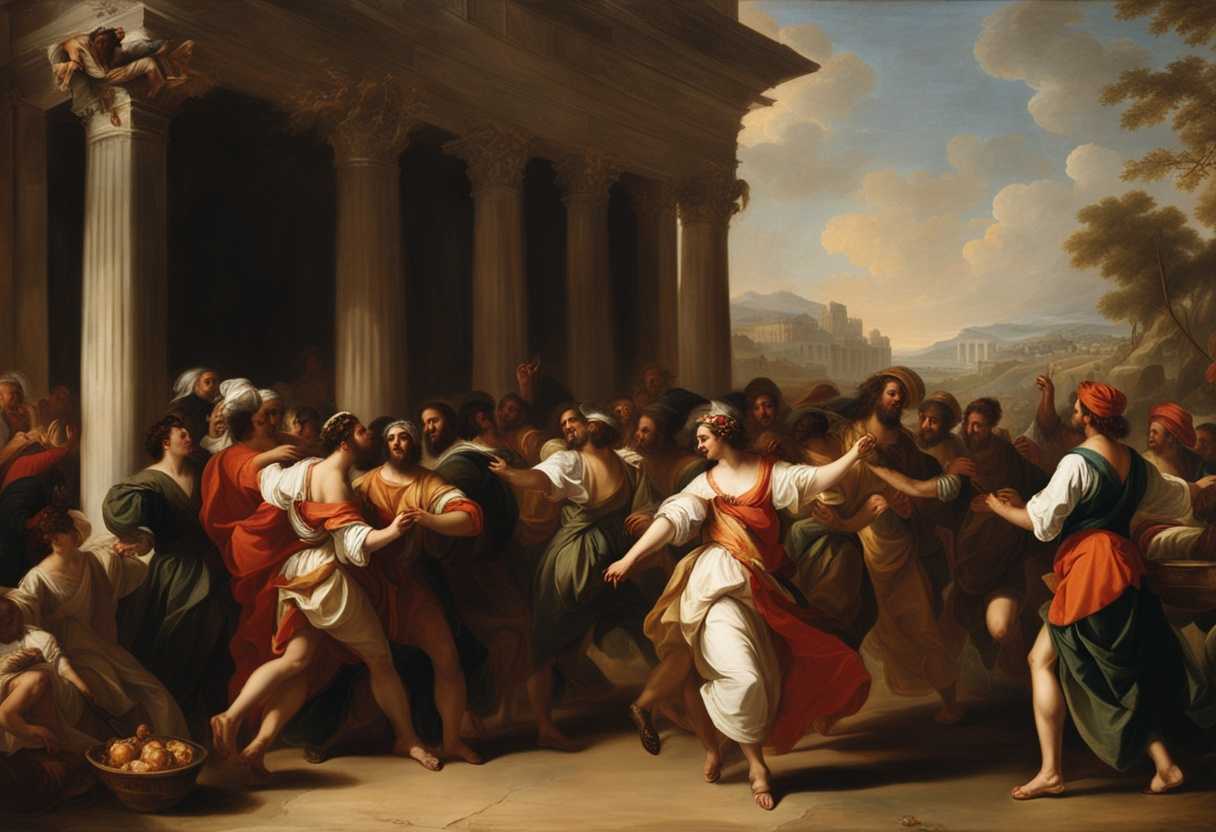
Setting the Scene for Leviticus 23:34
In Leviticus chapter 23, we find the Israelites in the wilderness after their exodus from Egypt. The scene is set during the Feast of Tabernacles, also known as the Feast of Booths or Sukkot. The Israelites have been instructed by Moses to observe this festival as a way to remember their time in the wilderness and to give thanks to God for providing for them.
The Israelites have constructed temporary shelters or booths made of branches and leaves to dwell in during this festival. The atmosphere is one of joy and celebration as families come together to eat, drink, and rejoice in the presence of the Lord. The scene is filled with the sounds of laughter, music, and prayers as the Israelites gather to worship and offer sacrifices to God.
Moses, Aaron, and the other leaders of the Israelites are present, leading the people in the observance of the Feast of Tabernacles. The surroundings are the vast wilderness, with the tabernacle at the center of the camp, serving as a constant reminder of God’s presence among His people. The scene is a beautiful display of faith, unity, and gratitude as the Israelites come together to honor God and celebrate His goodness.
What is Leviticus 23:34 about?
Ah, what a beautiful commandment we have here! The Feast of Tabernacles, also known as Sukkot, is a joyous and significant festival in the Jewish faith. It is a time to commemorate the journey of the Israelites through the wilderness and to celebrate the harvest season. We are reminded of the blessings and provisions of God throughout our lives by observing this feast for seven days with joy.
Imagine the sense of community and gratitude that comes with obeying this commandment. Gathering with loved ones, dwelling in temporary structures, and honoring God’s faithfulness can all create a deep sense of connection and appreciation. The act of rejoicing for a whole week serves as a powerful reminder to always find moments of joy and celebration in our lives, even during challenging times. May we embrace this command with open hearts and minds, and may the Feast of Tabernacles bring us closer to each other and to God.
Understanding what Leviticus 23:34 really means
Leviticus 23:34, nestled within the Old Testament book of Leviticus, serves as a beacon guiding the Israelites on the path to holiness. This verse unveils the Feast of Tabernacles, a poignant Jewish festival commemorating the 40-year desert sojourn of the Israelites and the unwavering provision of God during that arduous journey. The Feast of Tabernacles, also known as Sukkot, stands as a testament to God’s faithfulness and the Israelites’ reliance on His sustenance in the wilderness.
In Exodus 23:16, the Feast of Ingathering, synonymous with the Feast of Tabernacles, is highlighted for its agricultural significance, emphasizing the importance of harvest and provision. Deuteronomy 16:13-15 further elucidates the celebration of Sukkot, emphasizing the elements of joy and gratitude that should permeate this festive occasion. John 7:37-38 unveils Jesus’ discourse during the Feast of Tabernacles, intertwining the festival with the promise of spiritual nourishment for those who believe in Him.
The Feast of Tabernacles resonates with contemporary audiences by underscoring the themes of gratitude and reliance on God. It beckons individuals to reflect on God’s provision in their lives and acknowledge their dependence on His sustenance. Moreover, this festival fosters communal celebration, uniting believers in shared gratitude and faith, echoing the importance of community and shared worship experiences.
Imagine a family, weathering a year of financial turmoil, coming together to celebrate Thanksgiving. As they recount the challenges they faced and the ways in which God provided, parallels can be drawn to the Israelites’ experience during the Feast of Tabernacles. This modern-day celebration mirrors the ancient festival’s essence of gratitude and trust in God’s provision, showcasing the enduring relevance of these timeless themes.
Delving into the intricate details of Leviticus 23:34, phrases like “On the fifteenth day of this seventh month” underscore the divine timing of God’s appointed feasts, reminding us of the significance of seasons in our lives. The term “Tabernacles” itself symbolizes temporary shelters, prompting reflection on the transient nature of earthly existence and the eternal truths we are called to focus on. The duration of the festival, “seven days to the Lord,” signifies completeness and perfection, urging us to dedicate a wholly perfect time to worship and thanksgiving.
By unraveling the historical context, exploring related scriptures, and delving into the nuanced meanings of the phrases within Leviticus 23:34, we unearth the profound relevance of this ancient festival in our contemporary lives. Just as the Israelites found solace and gratitude in God’s provision during their desert wanderings, we too can glean wisdom and inspiration from the Feast of Tabernacles, fostering a deeper connection with God and a spirit of thankfulness in our daily lives.
How can we celebrate and remember God’s provision?
One way to celebrate and remember God’s provision as indicated in Leviticus 23:34 is by observing the Feast of Tabernacles or Sukkot. During this festival, the Israelites were commanded to dwell in temporary shelters or booths for seven days to remember how God provided for them during their time in the wilderness. We can reflect on God’s faithfulness in supplying our needs and His continuous provision in our lives by participating in this feast.
Another way to honor God’s provision is by engaging in a time of thanksgiving and praise. Taking the opportunity to recognize and acknowledge the various ways God has provided for us, whether materially, spiritually, emotionally, or relationally, can deepen our gratitude and strengthen our faith in His continued provision. Through prayer, worship, and sharing testimonies of God’s faithfulness, we can celebrate His provision and express our gratitude for His goodness in our lives.
Furthermore, we can commemorate God’s provision by sharing our blessings with others. We can also be a channel of His provision to those in need just as God provides for us. We reflect God’s character and demonstrate our trust in His ongoing provision by showing kindness, generosity, and compassion to others. Giving to the less fortunate and caring for the marginalized are tangible ways to celebrate God’s provision and express our gratitude for His abundant blessings in our lives.
Application
Dear friend, it is time to embrace the divine call to gather and celebrate together. Just as we prioritize our work deadlines and family obligations, let us also emphasize the importance of coming together in worship. Are we truly honoring our faith by not actively participating in these sacred feasts and convocations? Let us not miss out on the opportunity to connect with our spiritual community and rejoice in the presence of the Lord. Will you join us in answering this call with an open heart and a willing spirit?

Reverend Michael Johnson is an experienced Church Minister with a profound expertise in spirituality and guidance. With a serene presence and a compassionate heart, he has faithfully served his congregation for over 20 years, leading them on a spiritual journey towards inner peace and enlightenment. Reverend Johnson’s extensive knowledge of religious philosophies and profound understanding of human nature have made him a trusted confidant and mentor to many, as he seamlessly weaves his profound wisdom into life teachings. Reverend Johnson’s calming demeanor and empathetic nature continue to uplift and heal souls, nurturing a sense of unity and tranquility within his community.