
Leviticus 25:55 is about affirming that the Israelites belong to God as His servants, highlighting the divine ownership and authority over their lives.
55 For it is to me that the people of Israel are servants. They are my servants whom I brought out of the land of Egypt: I am the Lord your God.
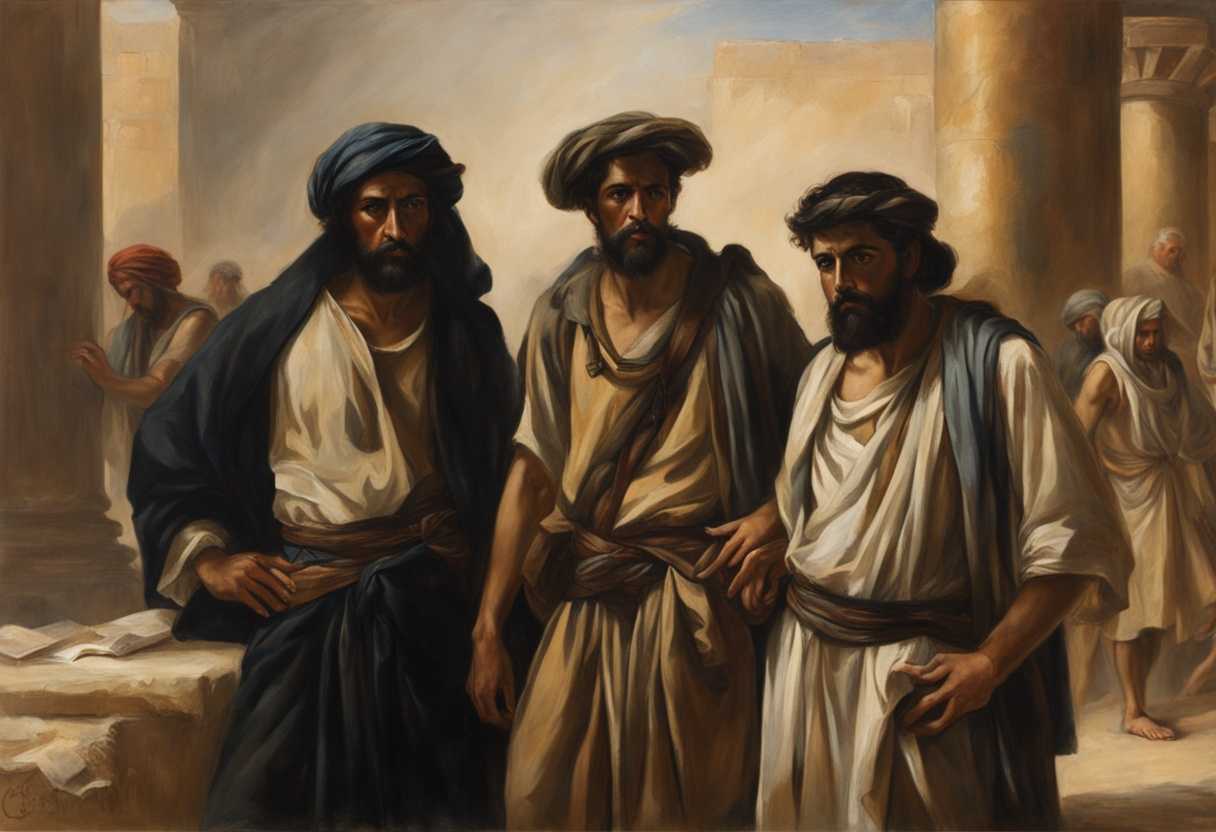
Setting the Scene for Leviticus 25:55
In the scene described in Leviticus 25:55, we find the Israelites gathered at the foot of Mount Sinai. The Israelites had been wandering in the wilderness for some time after their exodus from Egypt, and now they were encamped around the mountain. The air was filled with a sense of anticipation and reverence as they awaited the word of the Lord.
Among the crowd were Moses, the great leader and prophet of the Israelites, and Aaron, the high priest. They had been chosen by God to lead the people and communicate His laws to them. Surrounding them were the tribes of Israel, each with their own leaders and representatives. The scene was set against the backdrop of the majestic Mount Sinai, its peak shrouded in clouds and mystery.
As the people gathered, Moses stood before them and proclaimed the words of the Lord: “For the Israelites belong to me as servants. They are my servants, whom I brought out of the land of Egypt; I am the Lord your God.” This declaration affirmed the special relationship between God and His chosen people, setting the stage for the laws and commandments that would guide them in their journey towards the Promised Land.
What is Leviticus 25:55 about?
We see a clear expression of God’s relationship with the Israelites in this verse. The use of the term “servants” implies a sense of duty, loyalty, and service toward God. It emphasizes the special role that the Israelites have in God’s plan and their unique connection with Him. God is reminding the Israelites of His power, grace, and deliverance by referring to them as “whom I brought out of Egypt.” It serves as a powerful reminder of the foundational event of the Israelite nation’s history – the Exodus from Egypt – and highlights God’s enduring care and protection for His chosen people.
When reflecting on this verse, consider the significance of being chosen and set apart by God. What does it mean to be a servant of God, and how does this identity shape one’s purpose and relationships? How does remembering past instances of God’s faithfulness and deliverance impact our faith and trust in Him today? We are invited to contemplate our own spiritual journey and experience of God’s guiding hand in our lives as we ponder on the Israelites’ journey from slavery to freedom. God claimed the Israelites as His own and led them out of bondage, reminding us of His ongoing presence and care in our lives as we navigate challenges and seek to live in alignment with His will.
Understanding what Leviticus 25:55 really means
Leviticus 25:55, nestled within the Holiness Code of Leviticus, holds profound significance for understanding the relationship between God and His chosen people, the Israelites. This verse serves as a poignant conclusion to a chapter that delves into the Year of Jubilee, a period of liberation and restoration for the Israelites. The phrase “For the Israelites belong to me as servants” underscores the special status of the Israelites as God’s own, dedicated to His service. It highlights the intimate bond between God and His people, emphasizing their role as servants of the Most High.
Moreover, the declaration “They are my servants, whom I brought out of Egypt” serves as a powerful reminder of God’s redemptive work in delivering the Israelites from bondage in Egypt. This statement not only recalls the historical liberation of the Israelites but also reinforces God’s identity as their Redeemer. The phrase “I am the Lord your God” further solidifies God’s authority and care for His people, emphasizing His sovereignty over their lives and His enduring relationship with them.
Drawing parallels with other biblical passages such as Exodus 6:7, 1 Corinthians 6:20, and Romans 6:22, Leviticus 25:55 echoes the theme of belonging to God and living a life that honors Him. These verses collectively emphasize the special relationship between God and His people, urging them to live in a manner that reflects their identity as His chosen ones. The New Testament verses, in particular, underscore the call to honor God with our lives and to embrace the freedom found in serving Him wholeheartedly.
In a contemporary context, Leviticus 25:55 resonates with individuals today by reminding them of their identity and purpose as belonging to God. In a world where identities can be fluid and uncertain, this verse offers a firm foundation rooted in the unchanging relationship between God and His people. It challenges believers to embody gratitude, service, and holiness in their daily lives, reflecting their status as God’s cherished servants.
To illustrate this concept further, consider the analogy of a person rescued from a life-threatening situation. Just as the rescued individual feels immense gratitude towards their rescuer and seeks to honor them, believers are called to live out their faith in a manner that reflects their gratitude towards God, who has rescued them from sin and granted them new life. This analogy underscores the profound connection between gratitude, service, and honoring God in our lives.
In conclusion, Leviticus 25:55 stands as a poignant reminder of our relationship with God, urging us to remember our deliverance, live in service to Him, and find our identity in being His people. This verse, alongside its related passages, lays a solid foundation for understanding our purpose and calling as individuals belonging to God. It challenges us to embrace our role as servants of the Most High, living out our faith with gratitude, service, and holiness as we navigate our journey of faith.
How can we truly serve and honor God?
To truly serve and honor God, we should recognize that He is the ultimate Master, the one who brought us out of bondage and into freedom. We must understand our place as His servants and obey His commandments with reverence and humility. We show our respect and devotion to Him by acknowledging His authority and sovereignty over our lives.
Our service and honor to God should not be based on fear or obligation, but rather on a deep love and gratitude for all that He has done for us. We demonstrate our faithfulness by following His teachings and living a life that reflects His values of love, justice, and compassion. We show our commitment to Him and fulfill our purpose of glorifying His name through our words and actions.
Application
Dear reader,
Embrace the love of the Almighty, as we are His own treasured ones. Let us show our gratitude by living faithfully, following His guidance in every step. Will you take up this divine mantle and walk the path of honor and obedience as a true believer in the modern world?

Reverend Michael Johnson is an experienced Church Minister with a profound expertise in spirituality and guidance. With a serene presence and a compassionate heart, he has faithfully served his congregation for over 20 years, leading them on a spiritual journey towards inner peace and enlightenment. Reverend Johnson’s extensive knowledge of religious philosophies and profound understanding of human nature have made him a trusted confidant and mentor to many, as he seamlessly weaves his profound wisdom into life teachings. Reverend Johnson’s calming demeanor and empathetic nature continue to uplift and heal souls, nurturing a sense of unity and tranquility within his community.