
Exodus 19:1-2 is about the Israelites arriving at Mount Sinai after leaving Egypt, signifying a crucial moment in their journey of forming a covenant with God and receiving His laws.
1 On the third new moon after the people of Israel had gone out of the land of Egypt, on that day they came into the wilderness of Sinai.
2 They set out from Rephidim and came into the wilderness of Sinai, and they encamped in the wilderness. There Israel encamped before the mountain,
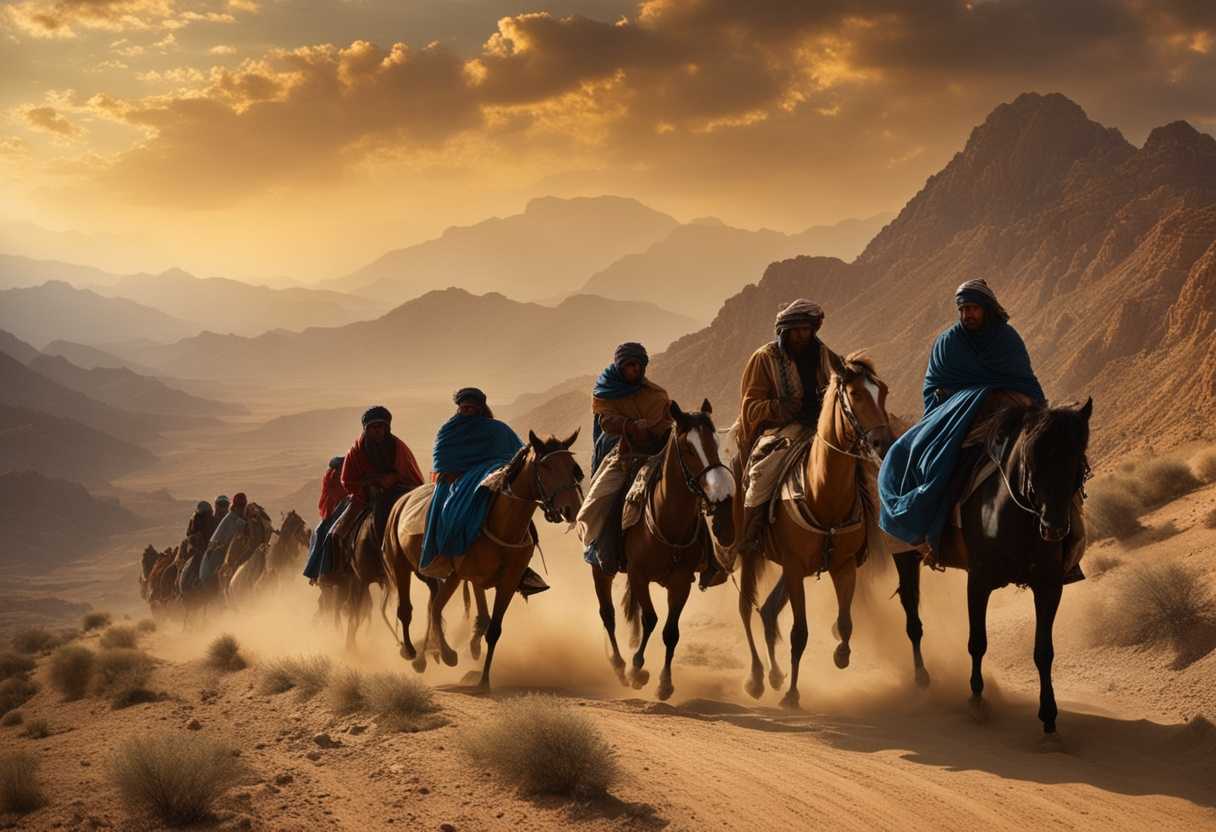
Setting the Scene for Exodus 19:1-2
The scene described in Exodus 19:1-2 takes place at Mount Sinai, where the Israelites have recently arrived after leaving Egypt. The Israelites, led by Moses, have been traveling through the wilderness and have now reached the foot of the mountain. The journey has been long and arduous, filled with challenges and miracles, as they followed the guidance of God through the leadership of Moses.
As the Israelites gather at the base of Mount Sinai, they are filled with a mix of awe, anticipation, and perhaps a bit of trepidation. They have witnessed the power of God through the plagues in Egypt, the parting of the Red Sea, and the provision of manna in the desert. Now, they stand at the foot of the mountain, preparing to receive the commandments and instructions that God will give them through Moses. The atmosphere is charged with a sense of holiness and expectation as the people wait to hear from their divine leader and receive the laws that will shape their identity as a nation.
Moses, the chosen intermediary between God and the people, stands before the multitude, ready to ascend the mountain and receive the words of God. The Israelites, a vast assembly of men, women, and children, are encamped around the mountain, their tents stretching out across the desert landscape. The sun sets in a blaze of colors, casting a warm glow over the scene as the people prepare themselves for the momentous events that are about to unfold.
What is Exodus 19:1-2 about?
Imagine standing at the foot of a majestic mountain, feeling the weight of centuries of tradition and faith pressing down on you. Imagine being chosen by God to receive a set of fundamental principles that will shape the moral foundation of a nation. This verse captures a pivotal moment in the history of the Israelites, where Moses is called by God to ascend Mount Sinai and receive the Ten Commandments. Profound questions about the nature of moral guidance and divine communication confront us as we reflect on this verse. What does it mean to receive commandments directly from God? How does this shape the identity and responsibilities of those who receive them? The imagery of Moses ascending the mountain to commune with God highlights the sacredness and solemnity of this moment, underscoring the significance of the Commandments that will be revealed.
Through this verse, we are reminded of the power and responsibility that comes with receiving divine guidance. We too are called to reflect on our own moral compass and the principles that guide our actions, just as Moses was called to Mount Sinai to receive the Commandments. The Ten Commandments continue to shape our understanding of ethics and justice, and we can strive to live in accordance with these timeless teachings.
Understanding what Exodus 19:1-2 really means
The Book of Exodus narrates the Israelites’ liberation from slavery in Egypt and their journey towards the Promised Land. In Exodus 19:1-2, we witness a crucial moment as the Israelites reach Mount Sinai, where they are on the brink of receiving the Ten Commandments. This passage serves as a prelude to the covenant between God and His people, signifying a significant turning point in their relationship. The three-month period since leaving Egypt symbolizes a time of purification and readiness for the divine law, highlighting the importance of preparation in approaching God’s commands.
The specificity of the Israelites’ arrival “on the very day” at the Desert of Sinai underscores the divine timing and guidance in their journey. It suggests that their steps are ordered by God’s plan, emphasizing the importance of being attuned to His leading in our own lives. As the Israelites camp in front of the mountain, we see a picture of anticipation and expectation for the revelation of God’s will. This waiting period mirrors the seasons in our lives when we are called to pause, reflect, and prepare ourselves to receive God’s guidance and blessings.
In related biblical passages, Exodus 3:12 and Deuteronomy 1:6 further emphasize the significance of Mount Sinai as a place where God’s presence and instructions were manifested to His people. Hebrews 12:18-24 contrasts Mount Sinai with Mount Zion, highlighting the transition from the old covenant to the new covenant through Jesus Christ. These connections deepen our understanding of the spiritual significance of Mount Sinai and the pivotal events that unfolded there.
The relevance of these verses to people today lies in the parallels between the Israelites’ journey to Mount Sinai and our own spiritual quests for purpose and divine direction. Just as the Israelites underwent a period of preparation and anticipation, we too are called to ready ourselves to receive God’s guidance in our lives. The story of Sarah, who embarks on a reflective sabbatical and eventually receives a job offer aligned with her passions, illustrates the importance of trusting in God’s timing and remaining faithful during seasons of waiting and uncertainty.
In conclusion, Exodus 19:1-2 prompts us to reflect on the significance of preparation, divine timing, and anticipation in our spiritual journeys. It encourages us to view our life experiences as part of a larger divine plan, where moments of waiting and readiness are essential for us to receive God’s blessings and direction. May we, like the Israelites at Mount Sinai, approach God with hearts prepared to receive His word and follow His leading in our lives.
How can we draw closer to God’s presence?
One way to draw closer to God’s presence is by positioning ourselves to listen and follow His commands. We can create a closer connection to God and experience His presence more fully by being obedient to His word and living a righteous life. This involves taking the time to study His teachings, pray for guidance, and actively seek His will in our daily lives.
Another way to draw closer to God’s presence is through worship and praise. We can cultivate an environment that is conducive to experiencing God’s presence by lifting our voices in adoration and thanksgiving. Engaging in worship through song, prayer, and meditation allows us to draw near to God and feel His peace and love surrounding us.
Lastly, building a relationship with God through consistent communication and fellowship is essential for drawing closer to His presence. We can deepen our understanding of God’s character and His desire to be in relationship with us by spending time in prayer, meditation, and reading the Scriptures. This intentional effort to seek God’s presence in our lives will lead to a stronger faith and a deeper connection with Him.
Application
Gather with me at the foot of Mount Sinai, not physically, but in spirit. Let us unite in humility to listen to His word and walk in His ways. Just as the Israelites did long ago, let us embrace faith and obedience. Will you join me in actively seeking His guidance and following His path each day?

Reverend Michael Johnson is an experienced Church Minister with a profound expertise in spirituality and guidance. With a serene presence and a compassionate heart, he has faithfully served his congregation for over 20 years, leading them on a spiritual journey towards inner peace and enlightenment. Reverend Johnson’s extensive knowledge of religious philosophies and profound understanding of human nature have made him a trusted confidant and mentor to many, as he seamlessly weaves his profound wisdom into life teachings. Reverend Johnson’s calming demeanor and empathetic nature continue to uplift and heal souls, nurturing a sense of unity and tranquility within his community.