
Leviticus 9:12 is about the priests presenting the burnt offering on the altar as a means of atonement and obedience to God’s commandment, demonstrating the importance of following rituals and demonstrating faithfulness in spiritual practices.
12 Then he killed the burnt offering, and Aaron’s sons handed him the blood, and he threw it against the sides of the altar.
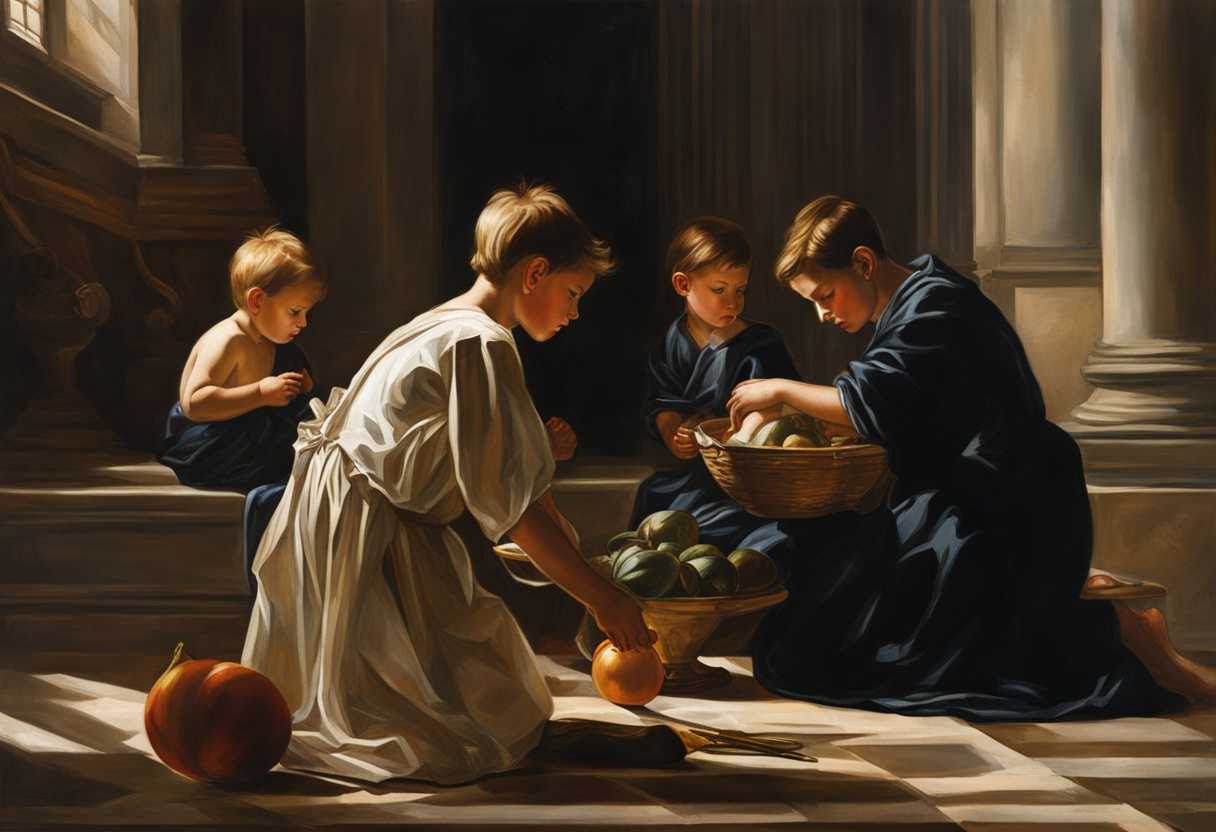
Setting the Scene for Leviticus 9:12
In Leviticus chapter 9, we find ourselves in the Tabernacle courtyard, a sacred space where the Israelites gathered to worship and offer sacrifices to the Lord. The scene is filled with a sense of anticipation and reverence as Aaron, the high priest, and his sons, who are also priests, prepare to make offerings on behalf of the people. The air is heavy with the smell of incense and burning offerings, and the sound of prayers and chants fills the space.
Aaron, dressed in his sacred garments, stands at the altar with his sons by his side. They have been consecrated and set apart for this important task of interceding for the people before God. The people of Israel have gathered around the courtyard, eager to witness this sacred moment and seek forgiveness and favor from the Lord.
As the offerings are made, a sense of awe and holiness descends upon the assembly. The fire of the Lord consumes the sacrifices, signifying His acceptance of their worship. The people bow their heads in reverence, knowing that their sins are being atoned for through these rituals. In this moment, the presence of God is palpable, and the people are reminded of His holiness and their need for His grace and mercy.
What is Leviticus 9:12 about?
We witness a powerful example of obedience and reverence in Leviticus 9:12. Aaron, following the instructions given by the Lord, offers sacrifices as a way of showing respect and devotion. This act signifies an important aspect of faith – the willingness to follow divine guidance even when it may not make sense to our human understanding. It prompts us to reflect on the importance of obedience in our own lives – are we willing to submit to God’s will, even when it challenges our own desires or beliefs? Aaron demonstrates his commitment to honoring and respecting the Lord by carefully following the prescribed rituals. This verse teaches us that offering sacrifices is not simply a matter of tradition or ritual, but an expression of our faith and devotion to God. It reminds us to consider the ways in which we show reverence in our own lives – do our actions reflect our commitment to following God’s will? Let this verse be a reminder that obedience and reverence are not just words, but actions that shape our relationship with the divine.
Understanding what Leviticus 9:12 really means
Leviticus 9:12, nestled within the intricate tapestry of the Old Testament, specifically in the book of Leviticus, offers us a glimpse into the sacred rituals and laws prescribed for the Israelites. This verse finds its place in a pivotal moment as Aaron and his sons embark on their priestly duties following their consecration. The chapter unfolds with a vivid description of offerings presented to God, ranging from sin offerings to burnt offerings and peace offerings, each carrying its own significance and symbolism.
In exploring related passages, Hebrews 10:1-4 beckons us to ponder the limitations of the old sacrificial system, pointing us towards the ultimate sacrifice of Christ. Exodus 29:38-42 underscores the importance of daily burnt offerings, emphasizing the continual dedication required in our relationship with God. Romans 12:1 echoes a call to present ourselves as living sacrifices, a spiritual act of worship that resonates with the sacrificial themes found in Leviticus.
While the practice of animal sacrifices has faded into the annals of history, the essence of sacrifice remains a poignant lesson for us today. It serves as a poignant reminder of dedication, obedience, and the profound cost of atonement. The meticulous nature of the ancient rituals underscores the significance of discipline and reverence in our spiritual walk, urging us to approach our faith with intentionality and respect.
Looking beyond the rituals of Leviticus, we find a profound foreshadowing of Christ’s ultimate sacrifice. This foundational understanding shapes the Christian belief in atonement and redemption, anchoring our faith in the sacrificial love of Jesus. Just as Aaron and his sons meticulously carried out their priestly duties, Christ’s sacrifice stands as the pinnacle of God’s redemptive plan, inviting us into a deeper understanding of grace and salvation.
Consider a family tradition where each member plays a vital role in preparing a special meal—a tradition that fosters unity, tradition, and cooperation. Similarly, the detailed sacrificial rituals in Leviticus teach us about the importance of community, obedience, and reverence towards God. The phrases within Leviticus 9:12, such as “He slaughtered the burnt offering,” “His sons handed him the blood,” and “He splashed it against the sides of the altar,” carry profound symbolism. They signify the gravity of sin, the communal aspect of worship, and the purification and consecration inherent in sacrifice.
By delving into the depths of Leviticus 9:12 and its surrounding context, we unearth timeless truths about sacrifice, dedication, and holiness. As we grasp the significance of these ancient rituals and their fulfillment in Christ, may we be inspired to live lives marked by sacrificial love, unwavering dedication, and a profound reverence for the God who calls us His own.
How can we approach God with reverence and obedience?
Approaching God with reverence and obedience involves recognizing His holiness, majesty, and authority. We approach God understanding that He is the Creator of the universe and the ultimate source of power and righteousness. With this understanding, we come before Him with humility and awe, acknowledging His greatness and our own unworthiness.
Obeying God means following His commandments and teachings as outlined in the Bible. This obedience is an expression of our love and devotion to Him. We show respect for His authority and demonstrate our faith in His wisdom and goodness by living according to His will. It is through this obedience that we honor God and deepen our relationship with Him. We seek to cultivate a heart of reverence and obedience in our approach to God, understanding that He is worthy of our worship and allegiance. We demonstrate our faithfulness to Him and open ourselves to His blessings and guidance by submitting our lives to His will and following His commands.
Application
Let’s align our worship with God’s will and offer our best with sincerity and purity of heart, just like we do in our work and with our family. Let’s take a moment to reflect and reevaluate our worship, ensuring it is genuine and true. Will you join me in presenting ourselves before the Lord with a renewed spirit of devotion?

Reverend Michael Johnson is an experienced Church Minister with a profound expertise in spirituality and guidance. With a serene presence and a compassionate heart, he has faithfully served his congregation for over 20 years, leading them on a spiritual journey towards inner peace and enlightenment. Reverend Johnson’s extensive knowledge of religious philosophies and profound understanding of human nature have made him a trusted confidant and mentor to many, as he seamlessly weaves his profound wisdom into life teachings. Reverend Johnson’s calming demeanor and empathetic nature continue to uplift and heal souls, nurturing a sense of unity and tranquility within his community.