
2 Kings 2:18 is about the power of faith and persistence in seeking the guidance and blessing of God, as seen in Elisha’s determination to find water despite the initial disbelief of the people.
18 And when they came back to him (for he was staying in Jericho), he said to them, “Did I not say to you, ‘Do not go’?”
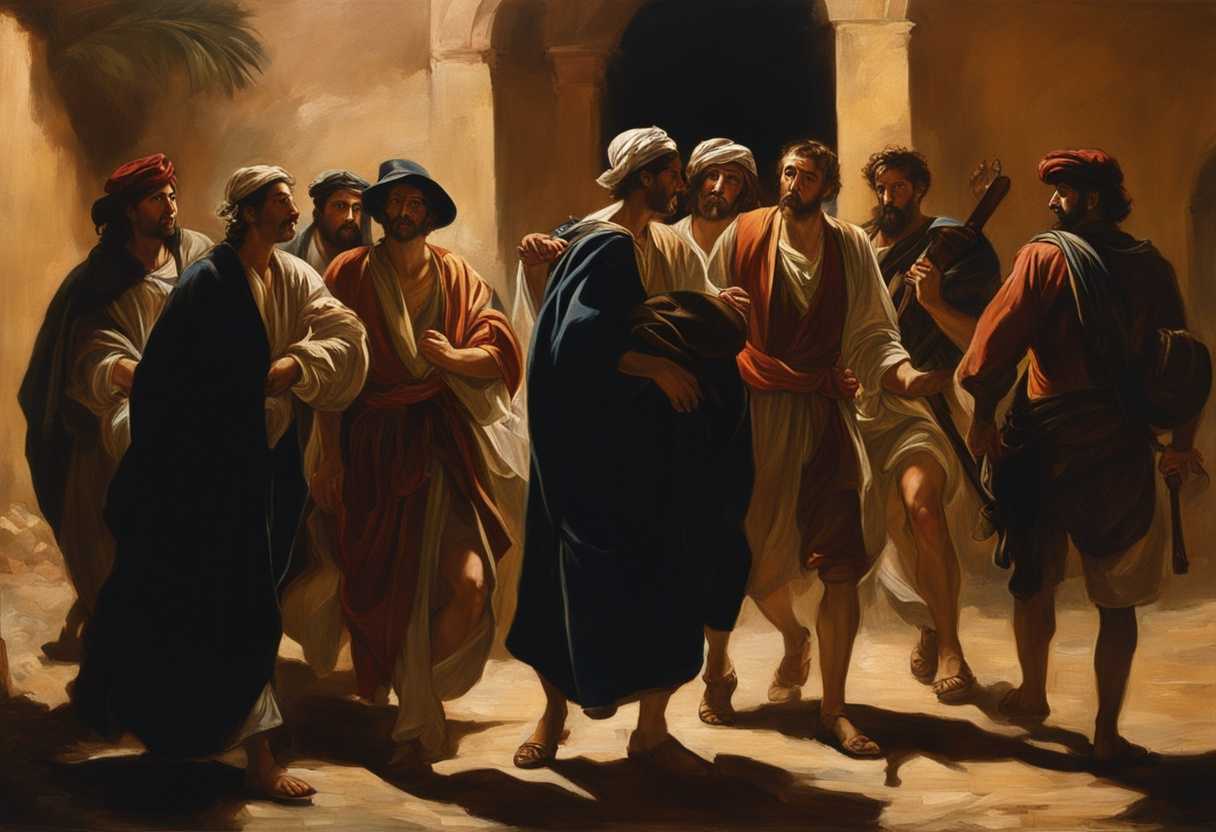
Setting the Scene for 2 Kings 2:18
In 2 Kings chapter 2, we find the prophet Elisha taking over the prophetic ministry from his mentor, Elijah. The scene is set near the Jordan River, a significant location in the Bible. Elisha and Elijah are standing together, surrounded by a group of prophets who have been following them on their journey. The air is filled with anticipation and a sense of transition as Elijah is about to be taken up to heaven in a whirlwind.
Elisha and Elijah had been traveling together, and now they find themselves at the Jordan River. The group of prophets had been aware of the impending departure of Elijah, as he had mentioned it to Elisha earlier. As they stand by the riverbank, a chariot of fire and horses of fire suddenly appear, separating Elijah and Elisha. Elijah is taken up to heaven in a whirlwind, leaving Elisha behind to carry on his prophetic ministry.
The moment is filled with awe and wonder as Elisha witnesses the miraculous event. The group of prophets, who had been witnesses to the powerful ministry of Elijah, now turn to Elisha as their new leader. The passing of the mantle from Elijah to Elisha marks a significant moment in the history of Israel and the prophetic tradition.
What is 2 Kings 2:18 about?
This verse from the Bible demonstrates the supernatural power bestowed upon Elisha by God. Elisha showcases his authority and ability to bring about miraculous transformations in the physical world by healing the waters of Jericho. The polluted waters symbolize the stagnation, impurity, and lack of life in the area, but through Elisha’s intervention, they are purified and made wholesome again. This act not only highlights Elisha’s spiritual connection with God but also serves as a testimony to his role as a prophet and miracle worker. Faith, obedience, and divine intervention can have a profound impact on our lives and surroundings as we reflect on this verse. We too can draw strength from this example in our own spiritual journeys, just as Elisha brought about healing and restoration through his unwavering faith in God’s power. Trusting in God’s guidance and surrendering ourselves to His will open us up to the possibility of experiencing miraculous transformations and witnessing His power at work in our lives.
So, as we meditate on Elisha’s demonstration of power in healing the waters of Jericho, let us be inspired to deepen our connection with God, cultivate our faith, and strive to be vessels of His grace and blessings in the world. We should seek to bring about positive change and restoration in our communities and environments, guided by the same divine wisdom and love that empowered the prophet Elisha to renew and bring life to a stagnant situation.
Understanding what 2 Kings 2:18 really means
In the narrative of Elisha succeeding Elijah as a prophet in Israel, 2 Kings 2:18 stands as a pivotal moment. It follows Elijah’s ascension to heaven in a whirlwind, with Elisha taking up his mantle. Despite Elisha’s assurance that Elijah had been taken by God, the sons of the prophets embark on a search for him, only to return to Elisha. This sequence underscores themes of faith, leadership transition, and divine providence that resonate with us today.
The related passages, such as 2 Kings 2:11, emphasize the divine intervention in Elijah’s departure and the transfer of prophetic authority to Elisha. In 1 Kings 19:19-21, we witness Elisha’s initial calling by Elijah, showcasing his dedication and the passing of the prophetic mantle. The connection to Matthew 17:1-3, where Elijah appears during the Transfiguration of Jesus, reinforces the enduring significance of Elijah and the divine nature of his departure.
Consider a scenario where a revered leader steps down, and a new, less experienced leader assumes the role. Initially met with skepticism, the new leader eventually proves capable, akin to Elisha succeeding Elijah. This anecdote mirrors the acceptance of new leadership and the realization that God prepares individuals for their appointed tasks.
The phrase “They came back to him” signifies the sons of the prophets’ acknowledgment of Elisha’s authority and the correctness of his words. Elisha’s location in Jericho symbolizes a place of new beginnings and transitions, reminiscent of the Israelites’ conquest of the city in the Promised Land. His admonition, “Did I not say to you, ‘Do not go’?” serves as a gentle rebuke, highlighting the importance of trusting in divine guidance and prophetic insight.
Through reflection on these elements, we glean timeless lessons on faith, leadership, and trusting in God’s plans from 2 Kings 2:18. The verse prompts us to consider the faithfulness of God’s design, the inevitability of leadership changes, and the need to embrace new beginnings with trust and confidence in His providence.
What can we do to seek God’s presence daily?
To seek God’s presence daily, we can follow the example from this verse by regularly looking to God for guidance and direction. This involves making a conscious effort to start each day with prayer and seeking wisdom from God’s Word through reading and meditating on scripture. By opening ourselves up to His presence and guidance in our lives, we do so.
Additionally, cultivating a spirit of obedience and submission to God’s will will help us draw closer to Him each day. When we align our actions and decisions with His teachings and commands, we create a pathway for His presence to manifest in our lives. This requires humility, faith, and a willingness to surrender our own desires in favor of what God wills for us.
Finally, we can seek God’s presence daily through constant communication with Him. This includes not only formal prayer and Bible study but also maintaining an ongoing dialogue with God throughout our day. We can experience a deeper connection with Him and a greater awareness of His presence in our daily walk by acknowledging His presence in all aspects of our lives and seeking His guidance in every situation.
Application
Embrace the wisdom of 2 Kings 2:18. It’s time to navigate life’s challenges like a seasoned captain sailing through rough seas, with unwavering faith as your compass. Let your spirit be the anchor that keeps you grounded amidst the chaos of the modern world. Will you seize this moment to strengthen your connection with the divine forces guiding your path?

Reverend Michael Johnson is an experienced Church Minister with a profound expertise in spirituality and guidance. With a serene presence and a compassionate heart, he has faithfully served his congregation for over 20 years, leading them on a spiritual journey towards inner peace and enlightenment. Reverend Johnson’s extensive knowledge of religious philosophies and profound understanding of human nature have made him a trusted confidant and mentor to many, as he seamlessly weaves his profound wisdom into life teachings. Reverend Johnson’s calming demeanor and empathetic nature continue to uplift and heal souls, nurturing a sense of unity and tranquility within his community.