
Numbers 26:26-27 is about the importance of faithfulness to one’s family lineage and the preservation of one’s heritage in continuing God’s covenant with His people.
26 The sons of Zebulun according to their clans: of Sered, the clan of the Seredites; of Elon, the clan of the Elonites; of Jahleel, the clan of the Jahleelites.
27 The sons of Ezer: Bilhan, Zaavan, and Akan.
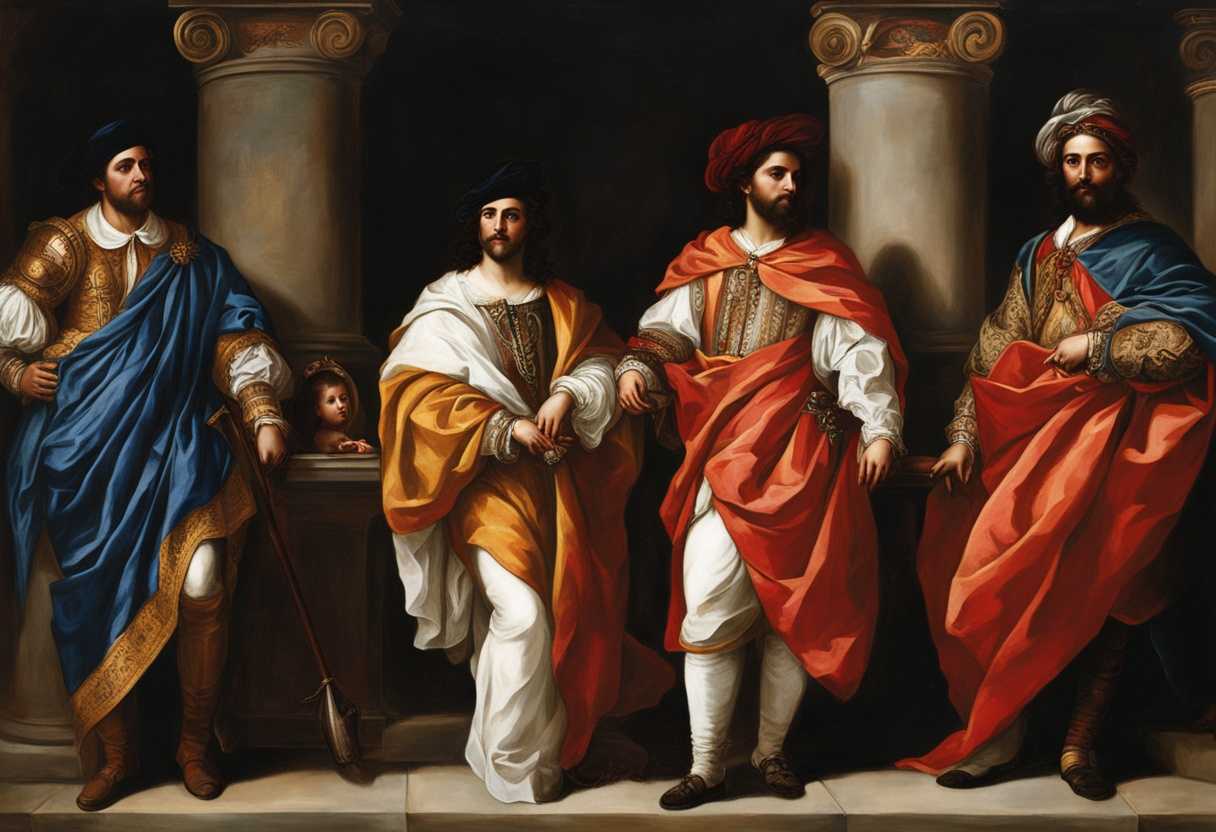
Setting the Scene for Numbers 26:26-27
The scene in Numbers 26:26-27 takes place in the wilderness of Sinai, where Moses is conducting a census of the Israelites before they enter the Promised Land. Among those counted are the sons of Zebulun: Sered, Elon, and Jahleel. These three brothers are descendants of Zebulun, the sixth son of Jacob and Leah. They are part of the tribe of Zebulun, one of the twelve tribes of Israel.
As the census is being taken, the brothers stand together, surrounded by their fellow tribe members. Sered, Elon, and Jahleel are likely reflecting on their family’s journey from Egypt, through the wilderness, and now on the brink of entering the land that was promised to their ancestors. They are proud to be part of the chosen people of God and are ready to fulfill their role in the inheritance of the land.
The brothers are a testament to the faithfulness of God in preserving and multiplying the descendants of Israel. Their presence in this scene serves as a reminder of the importance of each individual in the larger community of believers, as they prepare to take the next steps in their journey towards the Promised Land.
What is Numbers 26:26-27 about?
The verse records the genealogy of Gera’s descendants from the tribe of Benjamin with meticulous detail. But why is it important for us to know this information? Understanding one’s lineage is vital in connecting with one’s roots, history, and identity. It offers a sense of belonging and helps maintain a connection to one’s heritage. The biblical writers were also emphasizing the importance of lineage and family ties in the community by preserving these genealogical records.
These verses serve as a reminder of the significance of family history and ancestry in shaping who we are. They show that every individual has a place in a larger narrative, one that is woven together through generations of family connections. So, as we read through these genealogies, we are reminded of the rich tapestry of lives that came before us and the legacy we are a part of. Just like Gera’s descendants, our own family history contributes to the story of who we are and where we come from.
Understanding what Numbers 26:26-27 really means
The Book of Numbers, a part of the Torah, recounts the Israelites’ journey through the desert for 40 years. In Numbers 26, Moses and Eleazar conduct a census of the new generation of Israelites, as commanded by God. Specifically, verses 26-27 focus on the descendants of Zebulun, one of the twelve tribes of Israel. This census serves to organize and establish the tribes and families within the community, emphasizing the importance of lineage and identity.
“The descendants of Zebulun by their clans” underscores the significance of family ties and the unique roles each tribe and clan played in the larger Israelite community. The mention of specific clans like the Seredites, Elonites, and Jahleelites within Zebulun highlights the diversity and individuality present within the tribe. Each family unit had its own identity and contribution to the collective whole, showcasing the intricate tapestry of the Israelite society.
Connecting to other biblical passages, Genesis 49:13 records Jacob’s blessing to Zebulun, foreseeing their prosperity by the seashore. This blessing finds fulfillment in the census, demonstrating the continuity of God’s promises through the growth of Zebulun’s descendants. Joshua 19:10-16 further solidifies Zebulun’s significance by detailing the allocation of land to the tribe, securing their place among the tribes of Israel.
The relevance of these ancient accounts extends to modern times, highlighting the importance of community, identity, and faithfulness. Just as the Israelites found belonging in their tribes and families, people today derive a sense of identity and support from their own communities and heritage. The faithfulness of God in preserving His people despite their shortcomings serves as a reminder for contemporary readers to trust in His guidance and provision in their lives.
Consider a small town where each family’s history and traditions contribute to the town’s unique culture. Similarly, the census in Numbers 26 underscores the significance of each family within the broader community of Israel, mirroring how our own family legacies shape our identities and roles in society. Reflect on your family’s history and the ways in which your heritage has influenced your community involvement. Honor your roots while actively contributing to the growth and well-being of your community, embodying the principles of faithfulness and continuity seen in the biblical narrative. Trust in God’s faithfulness to lead and protect you, drawing inspiration from the enduring legacy of the Israelites as a testament to His unwavering care for His people.
How can we faithfully carry out our responsibilities?
We can faithfully carry out our responsibilities by being diligent and accountable in our actions. We should also be organized and thorough in fulfilling our duties, just as the verse emphasizes keeping track of the number of people within a certain group. This includes staying committed, being reliable, and ensuring that we are responsible in all areas of our lives.
Furthermore, we can faithfully carry out our responsibilities by working collaboratively with others. The mention of the different families within the group in the verse highlights the importance of teamwork and unity. We can achieve our goals more effectively and strengthen our collective efforts towards fulfilling our responsibilities by supporting and cooperating with one another.
Additionally, we can faithfully carry out our responsibilities by acknowledging and respecting the diverse roles and contributions of each individual. We should value the unique strengths and perspectives that each person brings, just as the verse recognizes the different families and their specific numbers. We can create a harmonious environment that encourages everyone to actively participate and contribute towards the common good by fostering a culture of inclusivity and appreciation.
Application
Embrace the values and teachings gifted to you by your ancestors, just like treasures handed down for safekeeping. Commit to nurturing the flame of faith within your family and community, ensuring it shines brightly for future generations. Let us be the stewards of this sacred trust, fostering a legacy of strength and devotion that endures through time. How will you honor the heritage of faith in your corner of the world?

Reverend Michael Johnson is an experienced Church Minister with a profound expertise in spirituality and guidance. With a serene presence and a compassionate heart, he has faithfully served his congregation for over 20 years, leading them on a spiritual journey towards inner peace and enlightenment. Reverend Johnson’s extensive knowledge of religious philosophies and profound understanding of human nature have made him a trusted confidant and mentor to many, as he seamlessly weaves his profound wisdom into life teachings. Reverend Johnson’s calming demeanor and empathetic nature continue to uplift and heal souls, nurturing a sense of unity and tranquility within his community.