
13 “Zebulun shall dwell at the shore of the sea;
he shall become a haven for ships,
and his border shall be at Sidon.
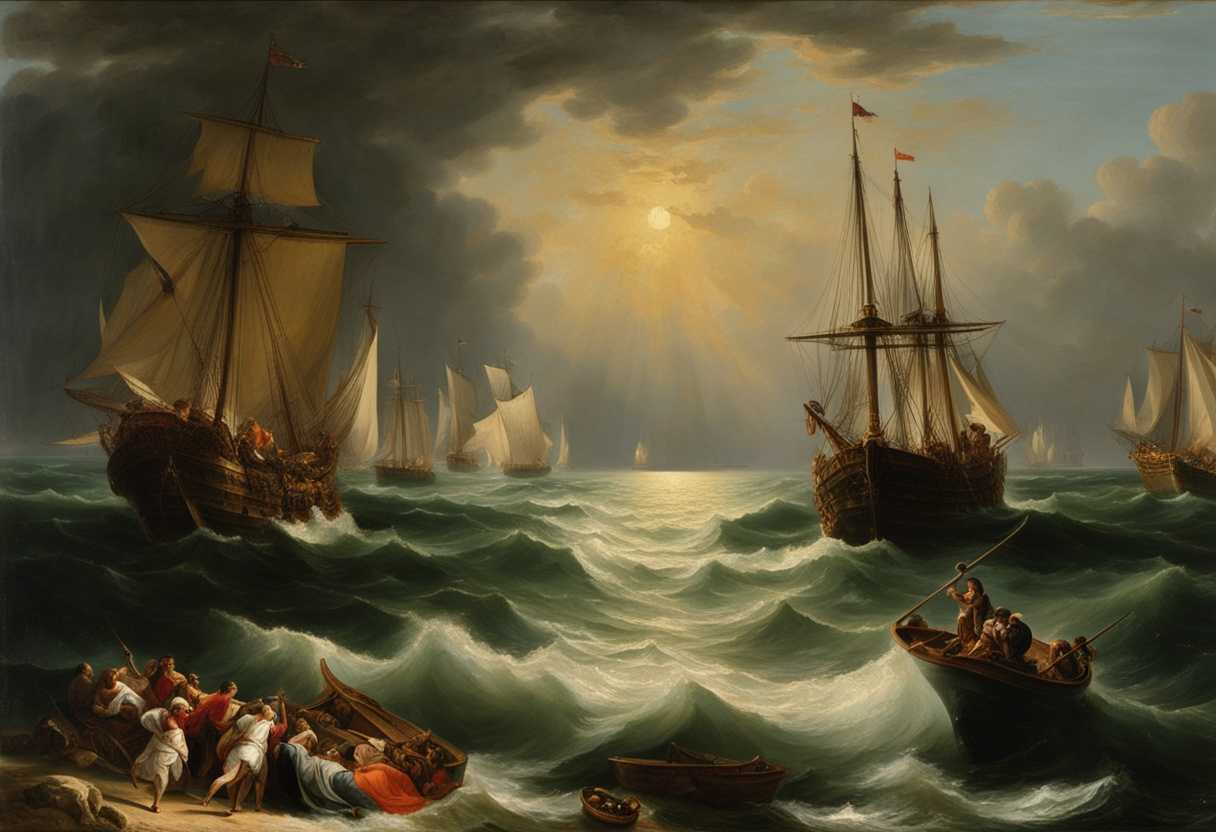
Setting the Scene for Genesis 49:13
In Genesis chapter 49, we find Jacob, also known as Israel, on his deathbed. He calls his twelve sons to his side to bless them and prophesy about their future. The scene is set in a dimly lit tent, with the flickering light of oil lamps casting shadows on the faces of the gathered family members. The air is heavy with the scent of myrrh and frankincense, creating an atmosphere of solemnity and reverence.
As Jacob speaks to his sons, each one listens intently, knowing that his father’s words carry great weight and significance. The brothers are a mix of emotions – some anxious to hear what their future holds, others perhaps fearful of any potential reprimands or warnings. Yet, they all gather around their father, their patriarch, in a show of respect and unity, despite their past conflicts and rivalries.
In this particular verse, Genesis 49:13, Jacob is addressing his son Zebulun. He prophesies that Zebulun will dwell by the seashore and become a harbor for ships; his territory will be a place of trade and commerce. This moment captures a poignant scene of a father imparting blessings and destinies to his sons, setting the stage for the future of the tribes of Israel.
What is Genesis 49:13 about?
This verse from the book of Genesis describes the blessing of Zebulun, one of the sons of Jacob. Zebulun’s territory was located near the Mediterranean Sea, making it a prime location for trade and commerce. The mention of dwelling at the seashore and being a haven for ships symbolizes prosperity, abundance, and a thriving economy. Ships would dock at Zebulun’s coast, bringing goods from distant lands and contributing to the region’s wealth and growth.
Through this verse, we can see that Zebulun’s blessing was not just about material wealth, but also about being a source of support and assistance to others. Just as ships find refuge and safety in a harbor, Zebulun was called to provide help, shelter, and resources to those in need. This could be interpreted as a lesson for us to use our blessings and resources to benefit others, to be a beacon of light and hope for those around us.
When reflecting on this verse, consider how you can be like Zebulun in your own life. How can you use your resources, skills, and blessings to be a source of support and assistance to others? Think about the ways you can contribute to the prosperity and well-being of those in your community, just as Zebulun provided a haven for ships at the seashore. Let this verse inspire you to be a beacon of light and help to those in need, making a positive impact in the world around you.
Understanding what Genesis 49:13 really means
Introduction and Structure
To provide a meaningful commentary on Genesis 49:13, we will follow a structured approach:
1. Context and Background
2. Explanation of Key Phrases
3. Connections to Other Biblical Passages
4. Relevance to Modern Life
5. Anecdotal Illustration
6. Jacob blesses his twelve sons with prophetic utterances in Genesis 49:13. This verse specifically focuses on Zebulun. This section is crucial as Jacob’s blessings often allude to the future roles and territories each tribe would occupy in Israel. Understanding Jacob’s words allows us to comprehend how each son’s lineage shaped Israel’s history. Jacob declares in this verse that Zebulun will live “by the seashore and become a haven for ships,” focusing on the geographical and economic positioning of Zebulun’s descendants. The phrase “live by the seashore” signifies a life entwined with maritime activities, potentially highlighting trade, commerce, and interaction with various cultures. The “haven for ships” emphasizes security and prosperity, suggesting that Zebulun will provide refuge and sustenance, becoming a critical node in the regional economy.
Connections to Other Biblical Passages
Genesis 49:13 can be linked to Deuteronomy 33:19, where Moses blesses Zebulun with joy in their going out and benefiting economically from the abundance of the seas. Furthermore, Isaiah 9:1 references Zebulun in the context of a region experiencing divine favor and future transformation, connecting our verse to a broader divine plan.
Relevance to Modern Life
Even today, this verse holds significance. It speaks to the idea of being situated in a place where one can thrive and contribute to a broader community. Many of us seek such spaces—whether in commerce, relationships, or spiritual life—where our efforts provide refuge and blessings for others. How are we creating “havens” in our own communities? A small business owner becomes a sanctuary for individuals of all walks of life through their coffee shop. This person didn’t just focus on the economic aspects of the business but also fostered a welcoming environment where people found solace and community. Through simple acts—like a warm greeting or a listening ear—they transformed their establishment into a “haven,” similar to Zebulun’s envisioned role.
Conclusion
Genesis 49:13, while initially a blessing directed to Zebulun, offers profound insights into the potential for living a life of significance and service. We find enduring principles by examining the prophecy’s phrases and connecting them to related biblical passages. These principles speak both to individual lives and collective responsibilities where thriving and creating safe spaces for others are valued. Reflect on how you can embrace this calling in your own life, fostering environments where others can find refuge and prosperity.
How can we honor our unique spiritual gifts?
One way we can honor our unique spiritual gifts is by recognizing and embracing them as blessings from God. Just as Jacob bestowed blessings upon his sons in Genesis 49, we too can acknowledge the special talents and abilities that have been given to us by God. We can use these gifts to bring glory to God and contribute positively to the world around us by acknowledging and nurturing them.
Another way to honor our unique spiritual gifts is by using them with humility and gratitude, rather than for personal gain or recognition. When we operate in our gifts with a spirit of humility, we are acknowledging that these abilities are not our own doing, but are divine gifts entrusted to us for a greater purpose. We honor the source of our gifts and live out our spiritual calling by using them to serve others and make a positive impact.
Lastly, we can honor our unique spiritual gifts by seeking opportunities to further develop and grow in them. Just as the sons of Jacob were each given distinct blessings, we must also steward our gifts well by investing time and effort into honing our skills and deepening our understanding of how best to utilize them. We show reverence for the talents God has given us and honor the responsibility that comes with them by continually seeking to improve and expand our gifts.
Application
Think of your life as a journey to build something meaningful—whether it’s at work, with family, or within your passions. Genesis 49:13 calls you to be bold and brave, like a leader steering the ship through rough waters. Lean into your faith and trust that you have the strength to overcome any challenge ahead. Embrace the courage to move forward confidently, knowing you’re guided and protected. What steps will you take today to answer this call for bravery and trust?

Reverend Michael Johnson is an experienced Church Minister with a profound expertise in spirituality and guidance. With a serene presence and a compassionate heart, he has faithfully served his congregation for over 20 years, leading them on a spiritual journey towards inner peace and enlightenment. Reverend Johnson’s extensive knowledge of religious philosophies and profound understanding of human nature have made him a trusted confidant and mentor to many, as he seamlessly weaves his profound wisdom into life teachings. Reverend Johnson’s calming demeanor and empathetic nature continue to uplift and heal souls, nurturing a sense of unity and tranquility within his community.