
Isaiah 21:11-12 is about being watchful and prepared for God’s judgment and the importance of seeking refuge in Him during times of trouble and distress.
11 The oracle concerning Dumah. One is calling to me from Seir, “Watchman, what time of the night? Watchman, what time of the night?”
12 The watchman says: “Morning comes, and also the night. If you will inquire, inquire; come back again.”
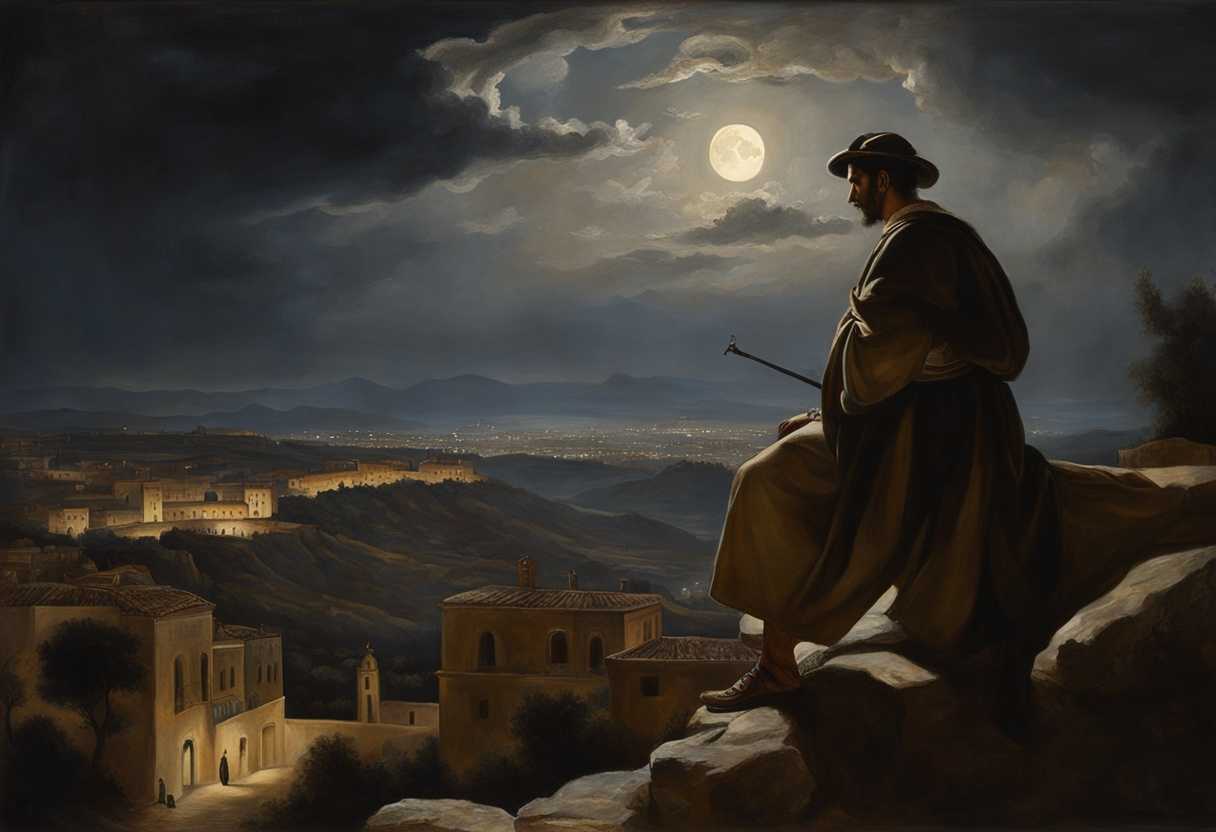
Setting the Scene for Isaiah 21:11-12
In the scene described in Isaiah 21:11-12, the prophet Isaiah is standing watch on a watchtower, looking out into the distance. The watchtower is situated on a hill, providing a vantage point overlooking the vast desert landscape. The sun is setting, casting a warm golden glow over the horizon, while the cool evening breeze rustles through the dry grasses.
Isaiah is joined by a group of fellow prophets and seers, who have gathered with him to discern the signs and messages that God may reveal to them. Each of them carries a scroll or a tablet, ready to record any visions or prophecies that may come to them in this sacred place. The atmosphere is charged with anticipation and reverence, as they wait for the voice of God to speak to them through the stillness of the desert night.
As the stars begin to appear in the darkening sky, Isaiah raises his voice and begins to share the words that have been placed on his heart by the Lord. His companions listen intently, their faces illuminated by the flickering light of the torches that they have brought with them. In this moment, surrounded by the beauty and mystery of the desert, the prophets are united in their purpose to serve as messengers of God’s will to the people of Israel.
What is Isaiah 21:11-12 about?
A prophecy in this verse foretells the downfall of Edom, a nation that historically represented pride, arrogance, and opposition to God’s people. The verse speaks of Edom’s allies being cut off, indicating that those who joined forces with this prideful nation will also face destruction. This prophecy serves as a reminder of the consequences of aligning oneself with the unrighteous and standing against the righteous.
Reflecting on this verse, we can ponder the implications of our own allegiances and associations. Are we aligning ourselves with values and actions that are righteous and just, or are we unintentionally standing on the side of pride and arrogance? This prophecy reminds us of the importance of choosing our alliances carefully and ensuring that our actions are in accordance with God’s will. It prompts us to reflect on the consequences of our choices and urges us to strive for righteousness in all aspects of our lives.
Understanding what Isaiah 21:11-12 really means
In Isaiah 21:11-12, we encounter a poignant dialogue between a watchman and an inquirer, set against the backdrop of Edom, symbolizing a time of uncertainty and anticipation. The watchman’s ancient role of vigilance over the city is used metaphorically to convey a spiritual message, emphasizing the need for awareness and readiness in the face of impending challenges. The question, “Watchman, what of the night?” reflects a deep concern and anxiety about the future, with the night symbolizing darkness, uncertainty, and potential danger. This inquiry resonates with the human experience of grappling with the unknown and seeking reassurance in times of turmoil.
The watchman’s response, “The morning comes, and also the night,” underscores the cyclical nature of time and events. Morning symbolizes hope, renewal, and the promise of a fresh start, while night represents ongoing challenges and trials that accompany life’s journey. This cyclical pattern is echoed in other biblical passages like Psalm 30:5, which contrasts weeping in the night with joy in the morning, highlighting the transient nature of hardships and the eventual arrival of brighter days. Similarly, Lamentations 3:22-23 emphasizes God’s faithfulness and compassion that are renewed each morning, offering solace and strength to endure difficulties.
The relevance of Isaiah 21:11-12 to contemporary life is striking, as individuals often find themselves navigating periods of uncertainty and fear akin to the night described in the passage. The dialogue between the watchman and the inquirer serves as a metaphor for seeking guidance and reassurance amidst life’s challenges, reminding us to remain vigilant and hopeful for the dawn of a new day. In personal struggles such as job loss or illness, where the night seems unending, the assurance that “the morning comes” can be a beacon of hope, inspiring perseverance and faith in a brighter future.
Anecdotal accounts further illustrate the enduring message of Isaiah 21:11-12. Consider the story of a friend who faced job loss during tough economic times, feeling engulfed by darkness and uncertainty. Despite the bleakness of the night, he persevered with faith and resilience, eventually finding a new job that not only restored his livelihood but also aligned with his passions and skills. This narrative mirrors the promise of a new morning after a long night, showcasing the transformative power of hope and perseverance in the face of adversity.
In conclusion, Isaiah 21:11-12 offers a timeless reminder that life unfolds in cycles of darkness and light, challenges and triumphs. The dialogue between the watchman and the inquirer encapsulates the universal human experience of seeking guidance and hope in the midst of uncertainty. As we navigate our own nights of despair and doubt, may we hold fast to the assurance that the morning will come, bringing with it the promise of renewal, joy, and a fresh beginning.
How can we discern and interpret God’s messages?
Isaiah illustrates in the mentioned verses how God sometimes communicates messages through events, such as the watchman seeing something and then declaring it. Through this metaphor, we can understand that God’s messages may not always be direct or readily apparent, but with careful observation and insight, we can discern them. We too must be attentive and open to recognizing God’s messages in our lives, just as the watchman in the verse scans the horizon diligently for signs.
Interpreting God’s messages requires a willingness to seek understanding and discernment. We must be vigilant like the watchman, ready to receive and comprehend the signs and signals that God may be sending our way. This may involve prayer, meditation, studying scripture, seeking wise counsel, and being attuned to our surroundings. We position ourselves to recognize and interpret His messages when they come by staying connected to God and actively seeking His guidance. The verses teach us the importance of being alert and receptive to God’s messages. We can interpret the signs God sends us and respond accordingly by being spiritually vigilant and discerning. We too must actively engage in seeking, understanding, and following God’s guidance in our lives, just as the watchman fulfills his role diligently.
Application
Just as in the world of work and family, in our faith journey, we must stay alert and watchful. Let’s not settle for mediocrity in our relationship with God, but actively pursue His guidance. Are you ready to embrace this call to stay spiritually awake and responsive to God’s leading in your life?

Reverend Michael Johnson is an experienced Church Minister with a profound expertise in spirituality and guidance. With a serene presence and a compassionate heart, he has faithfully served his congregation for over 20 years, leading them on a spiritual journey towards inner peace and enlightenment. Reverend Johnson’s extensive knowledge of religious philosophies and profound understanding of human nature have made him a trusted confidant and mentor to many, as he seamlessly weaves his profound wisdom into life teachings. Reverend Johnson’s calming demeanor and empathetic nature continue to uplift and heal souls, nurturing a sense of unity and tranquility within his community.