
Author: Reverend Michael Johnson
-

What the Bible Says About the Heb Definition
In the Bible, “Hebrew” refers to the ancient people and language of the Israelites, often associated with their covenant relationship with God. The term is used to identify the ethnic and cultural heritage of the descendants of Abraham, Isaac, and Jacob, particularly highlighted in the context of the Old Testament. Scripture 1 In the beginning,…
-

What the Bible Says About Key Verses and Their Definitions
Key Bible verses are passages from the Scriptures that encapsulate significant theological truths or principles essential for understanding the Christian faith. They serve as foundational texts for doctrine, moral guidance, and inspiration for believers. Scripture 1 In the beginning, God created the heavens and the earth. 2 The earth was without form and void, and…
-
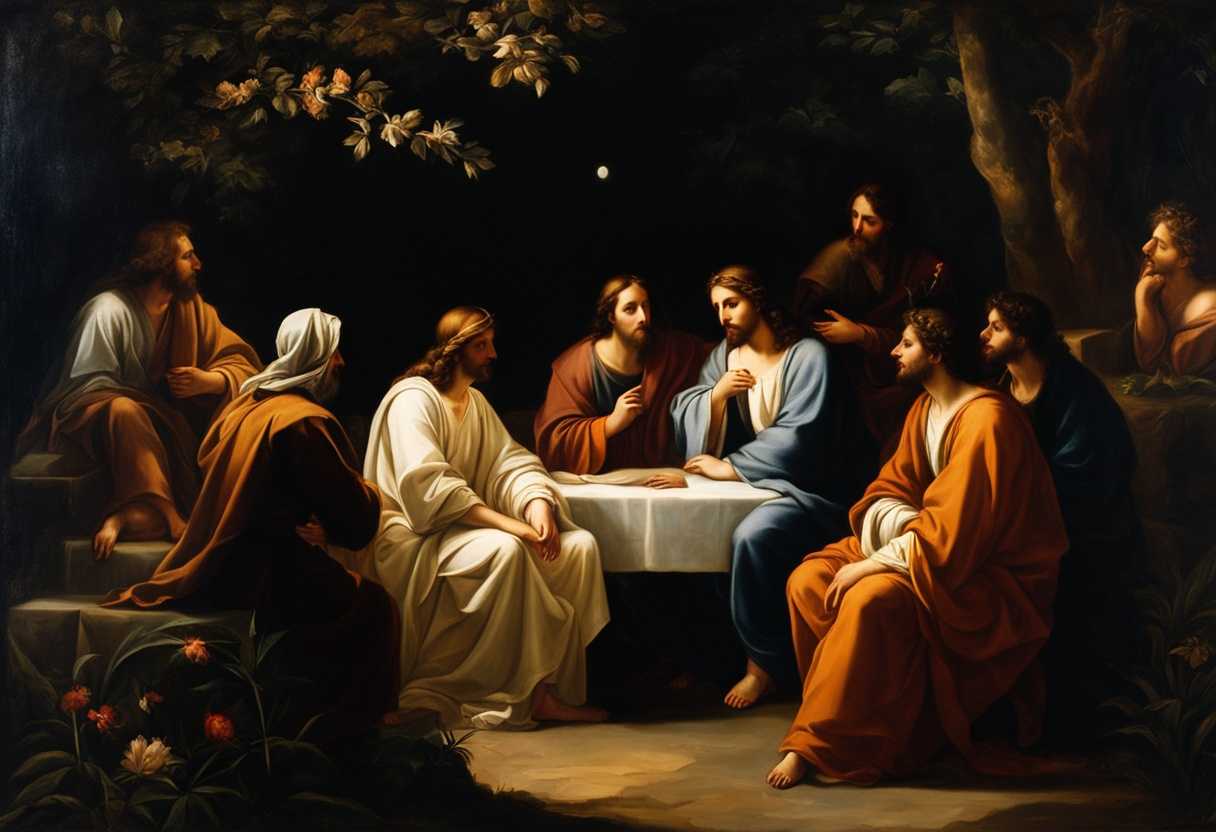
What the Bible Says About “The Flesh is Weak”
The phrase “the flesh is weak” originates from Matthew 26:41, where Jesus tells his disciples to “watch and pray” because “the spirit indeed is willing, but the flesh is weak.” This highlights the human tendency to succumb to temptation and fail in spiritual vigilance despite a desire to do what is right. Scripture 36 Then…
-

What the Bible Says About “Hewn”
In the Bible, “hewn” refers to something that has been cut or shaped, typically from a solid material like stone or wood, often for construction or crafting purposes. It can symbolize God’s meticulous work in creating or refining believers, as seen in passages that discuss God shaping lives or nations. Scripture 22 The sister of…
-

What the Bible Says About Kicking Against the Pricks
The phrase “kick against the pricks” comes from Acts 9:5, where it refers to resisting God’s guidance and authority. It symbolizes the futility of opposing divine will, as attempting to harm oneself by resisting God is ultimately self-destructive. Scripture 1 But Saul, still breathing threats and murder against the disciples of the Lord, went to…
-

What the Bible Says About Fainting: Understanding Its Meaning and Significance
In the Bible, “faint” often refers to the state of physical or emotional weakness and exhaustion, indicating a loss of strength or courage. It can also symbolize spiritual fatigue or despair, urging believers to find renewal and strength through faith in God (Isaiah 40:29-31). Scripture 1 When you go out to war against your enemies,…
-
What the Bible Says About the Meaning of Locus
In a biblical context, “locus” often refers to a specific place or location. It can also symbolize a point of divine action or significance, particularly in narratives where God interacts with humanity at designated sites. Scripture 12 Then the Lord said to Moses, “Stretch out your hand over the land of Egypt for the locusts,…
-

What the Bible Says About the Meaning of Zina
In the Bible, “zina” is not a term specifically used; however, the concept can relate to sexual immorality or adultery, which is condemned in passages such as Exodus 20:14 (“You shall not commit adultery”) and Hebrews 13:4, emphasizing the sanctity of marriage and sexual purity. The overarching biblical view promotes fidelity and warns against sexual…
-

What the Bible Says About the Meaning of Good Measure
In the Bible, “good measure” refers to the principle of providing generously and abundantly, as seen in Luke 6:38, which states that one should give with a generous heart, resulting in being given back in the same or greater measure. It emphasizes the idea that the quality and intention behind giving are as important as…
-

What the Bible Says About Bearing Witness
In the Bible, to “bear witness” means to testify or provide evidence to the truth of something, often in relation to God’s commands or the life of Jesus (John 1:7). It emphasizes the importance of sharing personal experiences or affirmations that validate faith and truth in the Christian context. Scripture 6 There was a man…