
Author: Reverend Michael Johnson
-

What the Bible Says About Reciprocity: Understanding Its Meaning and Significance
In the Bible, reciprocity is often reflected in the principle of treating others as one wishes to be treated, encapsulated in the Golden Rule found in Matthew 7:12: “So whatever you wish that others would do to you, do also to them.” This concept underscores mutual respect, kindness, and the expectation of returning good for…
-

What the Bible Says About the Meaning of the Phrase “A Certain”
In the Bible, the phrase “a certain” is often used to introduce an individual or situation without specifying their name or details, highlighting the significance of the story or lesson rather than the identity of the person. It typically emphasizes the importance of the narrative, inviting readers to focus on the moral or spiritual lesson…
-

What the Bible Says About Interlinear Study Bible Definition
An Interlinear Study Bible presents biblical text in its original language alongside a direct English translation, allowing readers to compare the original words with their meanings. Its purpose is to deepen understanding of scripture by providing insights into language, grammar, and context that are often lost in standard translations. Scripture 16 All Scripture is breathed…
-

What the Bible Says About Being Simple
In the Bible, simplicity often refers to a pure, uncomplicated faith and trust in God, as seen in passages like 2 Corinthians 11:3, which encourages believers to maintain sincere and pure devotion to Christ. It also emphasizes humility and the rejection of worldly complications, aligning with Proverbs simplicity speaks to living a life focused on…
-

What the Bible Says About Encampment: A Definition and Exploration
In the Bible, “encamp” refers to the act of setting up a temporary shelter or dwelling, often in a designated area, as seen in the Israelites’ journey through the wilderness where they would encamp around the tabernacle (Exodus 10:5). It symbolizes a period of rest and gathering for a community or people on a journey.…
-

What the Bible Says About the Book of the Law: Understanding Its Meaning
The Book of the Law, often referred to as the Torah or the Pentateuch, comprises the first five books of the Hebrew Bible (Genesis, Exodus, Leviticus, Numbers, and Deuteronomy). It defines the laws, commandments, and teachings given by God to the Israelites, outlining their covenant relationship with Him and guiding their moral and social conduct.…
-

What the Bible Says About the Meaning of Life
Ecclesiastes is a book in the Bible that reflects on the meaning of life and the human experience, emphasizing the inevitability of death and the futility of earthly pursuits. It encourages readers to find joy in the present and recognize the limitations of wisdom and material wealth. Scripture 1 The words of the Preacher, the…
-

What the Bible Says About Delight: A Deep Dive into Its Definition
In the Blue Letter Bible, “delight” is defined as a strong feeling of pleasure or joy, often in the context of taking pleasure in God’s law, His presence, or His creation. It encompasses a sense of satisfaction and contentment that aligns with spiritual fulfillment and obedience to God. Scripture 4 Delight yourself in the Lord,…
-

What the Bible Says About Being Incited
In the Bible, “incited” refers to the act of provoking or stirring up someone to take action, often in a negative context. For instance, it is used to describe how Satan incited David to conduct a census of Israel (1 Chronicles 21:1), leading him to sin against God. Scripture 24 Again the anger of the…
-
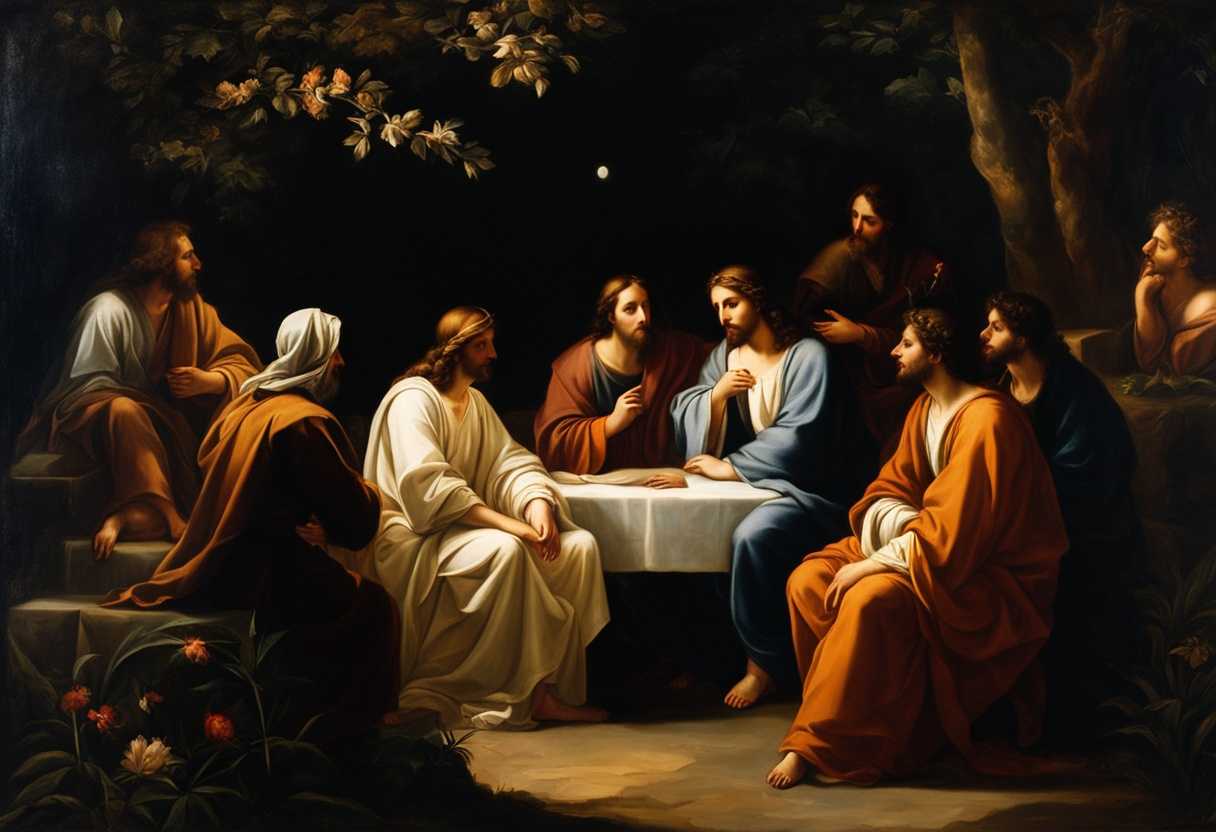
What the Bible Says About “The Flesh is Weak”
The phrase “the flesh is weak” originates from Matthew 26:41, where Jesus tells his disciples to “watch and pray” because “the spirit indeed is willing, but the flesh is weak.” This highlights the human tendency to succumb to temptation and fail in spiritual vigilance despite a desire to do what is right. Scripture 36 Then…