
Author: Reverend Michael Johnson
-

What the Bible Says About the Meaning of Rama in Matthew
In the Gospel of Matthew, “Rama” refers to a town in ancient Judea and is associated with the prophecy of the massacre of infants by King Herod. It symbolizes sorrow and mourning, as it is mentioned in the context of Rachel weeping for her children who were killed, fulfilling the prophecy found in Jeremiah 31:15.…
-

What the Bible Says About the Meaning of “First” in Greek
In the Greek Bible, the term “first” is often translated from the word “πρῶτος” (protos), which signifies not only the first in order or priority but also can imply preeminence or superiority in rank. It is used in various contexts, including the designation of Jesus as the “Firstborn” or “First” among many brethren (Romans 8:29).…
-
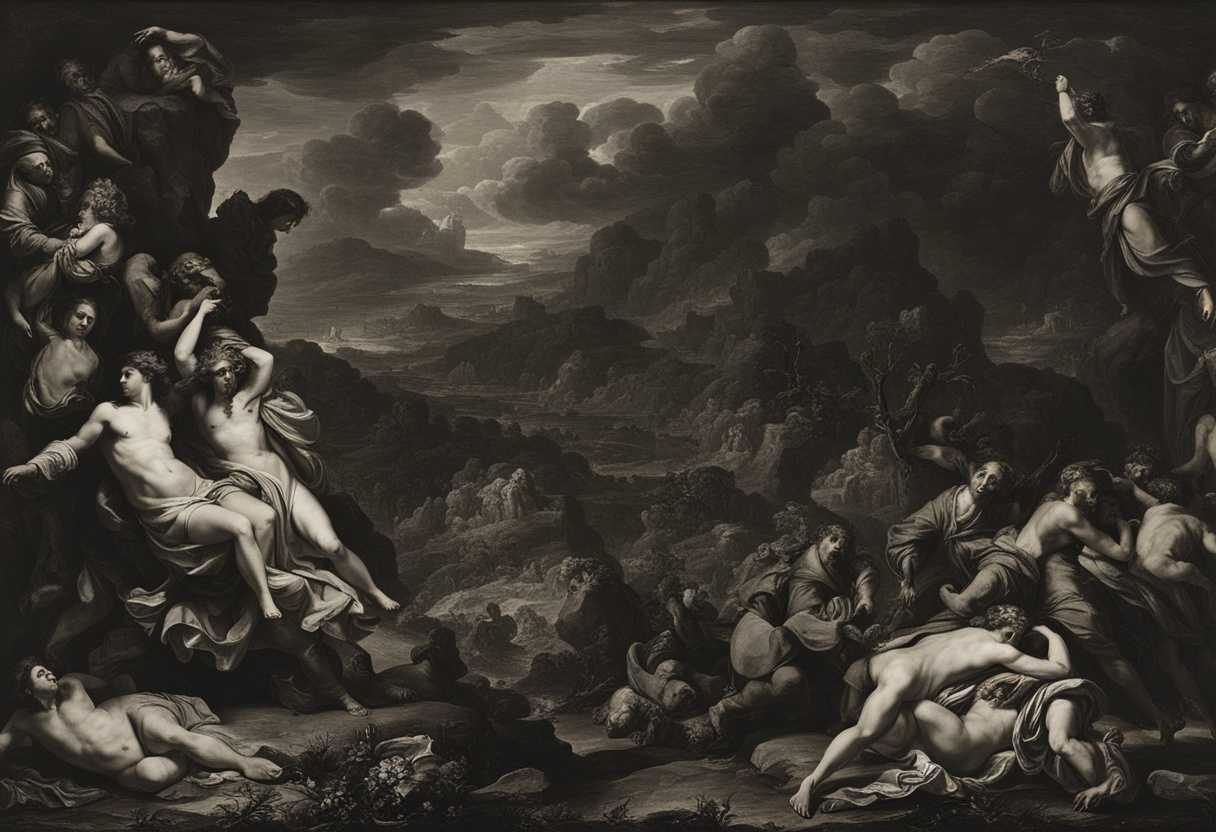
What the Bible Says About Loathsome Behavior
In the Bible, “loathsome” refers to something that is detestable or repulsive, often used to describe sinful behaviors or conditions that provoke God’s anger or disgust (e.g., Isaiah 66:24). It conveys a strong sense of aversion and is associated with moral corruption and uncleanliness. Scripture 5 The righteous hates falsehood, but the wicked brings shame…
-
What the Bible Says About the Meaning of Darnell
Darnel, also known as “tares,” refers to a type of weed that resembles wheat but is harmful to crops. In the Bible, particularly in the parable of the wheat and the tares (Matthew 13:24-30), it symbolizes the presence of evil or false believers among the righteous until the final judgment. Scripture 24 He put another…
-
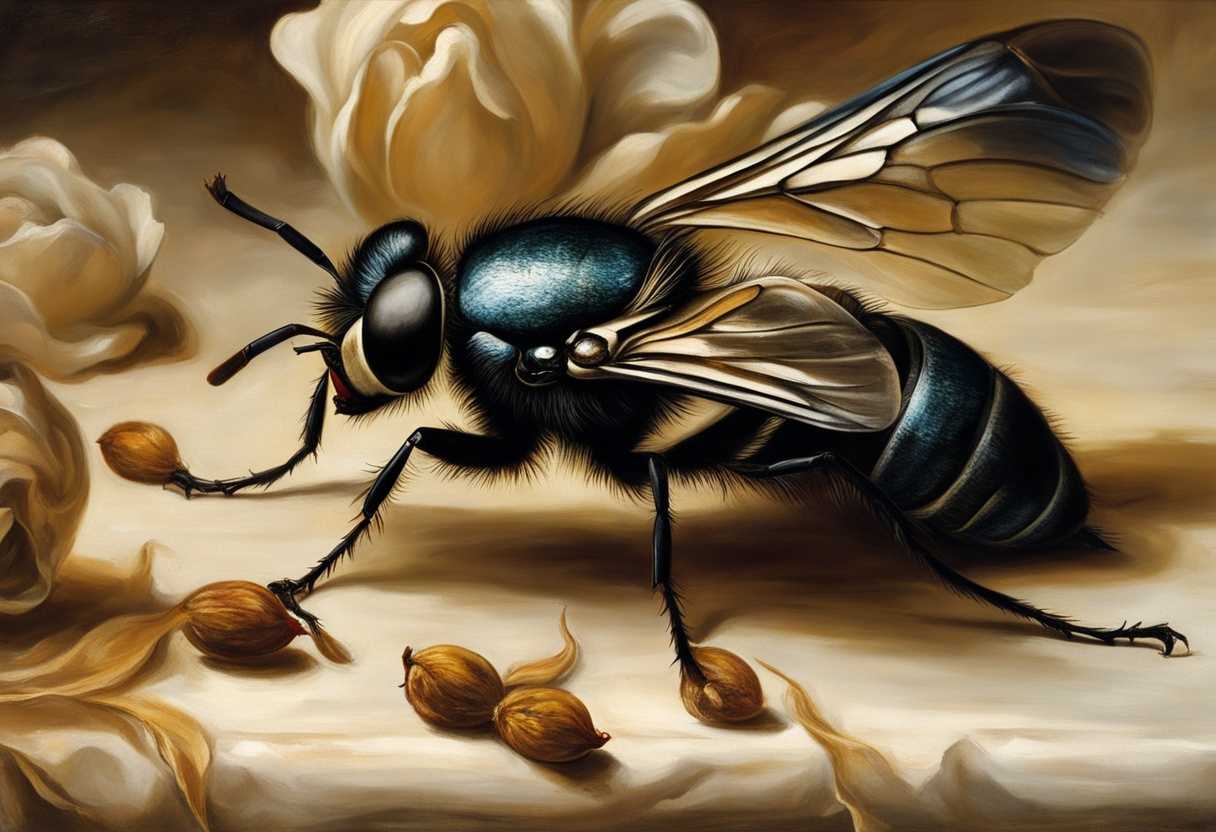
What the Bible Says About Dead Flies: Understanding Their Meaning
In the Bible, dead flies symbolize decay and corruption, particularly in Ecclesiastes 10:1, where the presence of a few dead flies spoils the perfumer’s ointment. This serves as a metaphor for how a small amount of foolishness can outweigh wisdom and honor. Scripture 1 Dead flies make the perfumer’s ointment give off a stench; so…
-

What the Bible Says About the Meaning of the Four Horses
The Four Horses, described in Revelation 6:1-8, symbolize the Four Horsemen of the Apocalypse, representing conquest (white horse), war (red horse), famine (black horse), and death (pale horse). Each horseman signifies different aspects of turmoil and judgment during the end times. Scripture 1 Now I watched when the Lamb opened one of the seven seals,…
-

What the Bible Says About the Meaning of Locus
In a biblical context, “locus” often refers to a specific place or location. It can also symbolize a point of divine action or significance, particularly in narratives where God interacts with humanity at designated sites. Scripture 12 Then the Lord said to Moses, “Stretch out your hand over the land of Egypt for the locusts,…
-
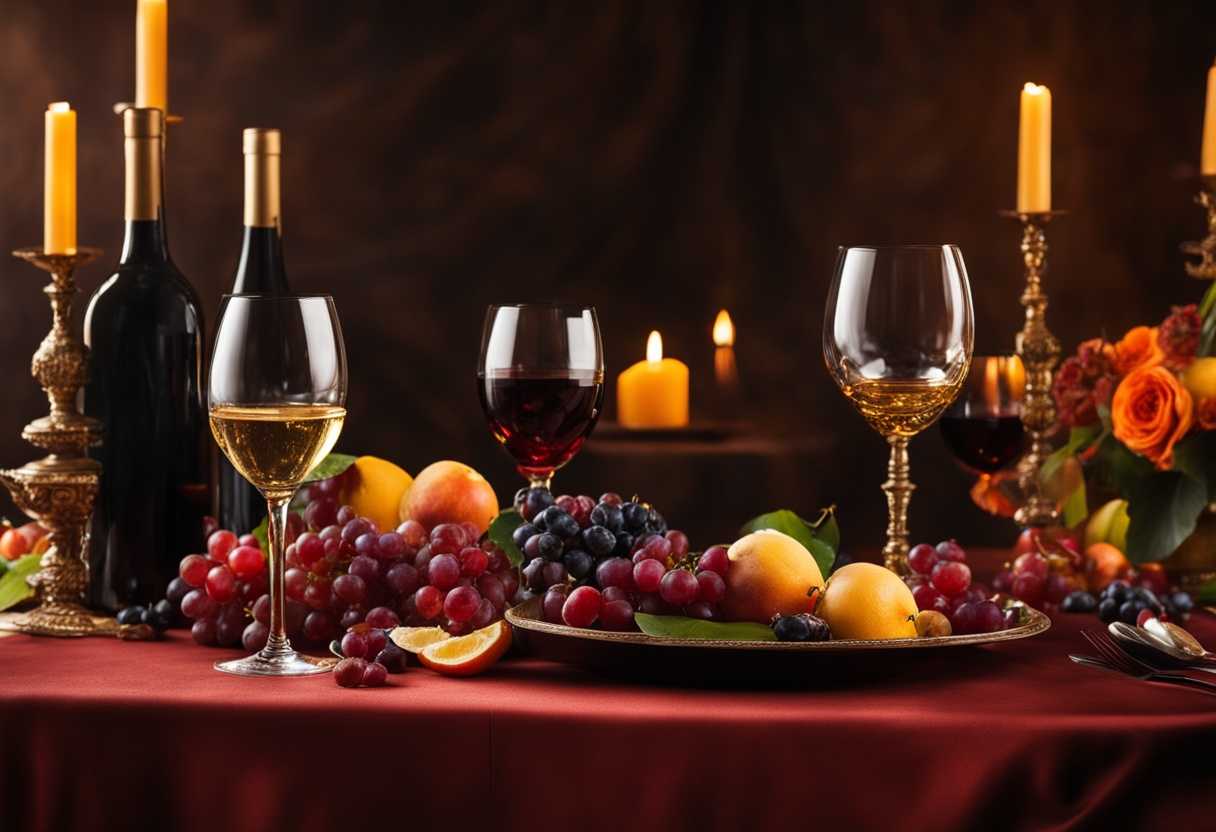
What the Bible Says About the Meaning of Mixed Wine in Proverbs 9:2
In Proverbs 9:2, “mixed wine” refers to wine that has been blended or diluted, symbolizing a preparation of something enticing and pleasurable. It serves as a metaphor for wisdom’s invitation to partake in understanding and the blessings it brings. Scripture 1 Wisdom has built her house; she has hewn her seven pillars. 2 She has…
-

What the Bible Says About Self-Sufficiency: Understanding Its Meaning
In the Bible, self-sufficiency is often contrasted with reliance on God; true contentment and sufficiency come from trusting in Him rather than one’s own abilities or resources. Philippians 4:13 highlights this by stating, “I can do all things through Christ who strengthens me,” emphasizing dependence on Christ for strength and provision. Scripture 11 Not that…
-

What the Bible Says About Still Life: Meaning and Symbolism
The term “still life” does not have a direct reference in the Bible, as it is primarily an art genre depicting inanimate objects. However, biblical themes often reflect the beauty of creation and the significance of everyday objects, symbolizing deeper spiritual truths or God’s providence, as seen in passages that highlight nature and its relationship…