
Author: Reverend Michael Johnson
-

What the Bible Says About Presbytery: A Definition and Understanding
In the Bible, “presbytery” refers to a body of elders or leaders within the church, responsible for spiritual oversight and governance. It is derived from the Greek word “presbyteros,” meaning elder, and highlights the role of mature believers in guiding the church community (1 Timothy 4:14). Scripture 14 Do not neglect the gift you have,…
-

What the Bible Says About Being an Imitator
In the Bible, an “imitator” refers to a person who seeks to emulate the behavior, character, or teachings of another, often in the context of following Christ’s example (1 Corinthians 11:1) or the teachings of apostles (Ephesians 5:1). This concept emphasizes the importance of modeling one’s life after the virtues and morals demonstrated by Christ…
-

What the Bible Says About the Right Definition of Love
In the Bible, “right” often refers to what is just, righteous, or morally correct according to God’s laws and standards. It signifies alignment with divine principles and the pursuit of ethical behavior, as seen in passages such as Proverbs 4:18, which describes the path of the righteous as “like the light of dawn.” Scripture 18…
-

What the Bible Says About the Meaning of Undershepherd
In the Bible, an undershepherd refers to a leader or pastor who serves under the authority of Christ, the Chief Shepherd. The term emphasizes the role of caring for and guiding the flock (congregation) with humility and accountability (1 Peter 5:1-4). Scripture 5 So I exhort the elders among you, as a fellow elder and…
-

What the Bible Says About “Give to Caesar What is Caesar’s”
The phrase “Give to Caesar what is Caesar’s and to God what is God’s,” found in Matthew 22:21, reflects the principle of separation between civic duties and spiritual obligations. It emphasizes the importance of fulfilling one’s responsibilities to both government authorities and divine command. Scripture 15 Then the Pharisees went and plotted how to entangle…
-

What the Bible Says About Novice: Understanding Its Definition and Context
In the Bible, a novice refers to a person who is new or inexperienced in their faith or spiritual practice. Specifically, 1 Timothy 3:6 warns against appointing a novice to a position of church leadership, as their lack of experience may lead to pride and fall into temptation. Scripture 1 The saying is trustworthy: If…
-
What the Bible Says About “Feed My Sheep” Meaning
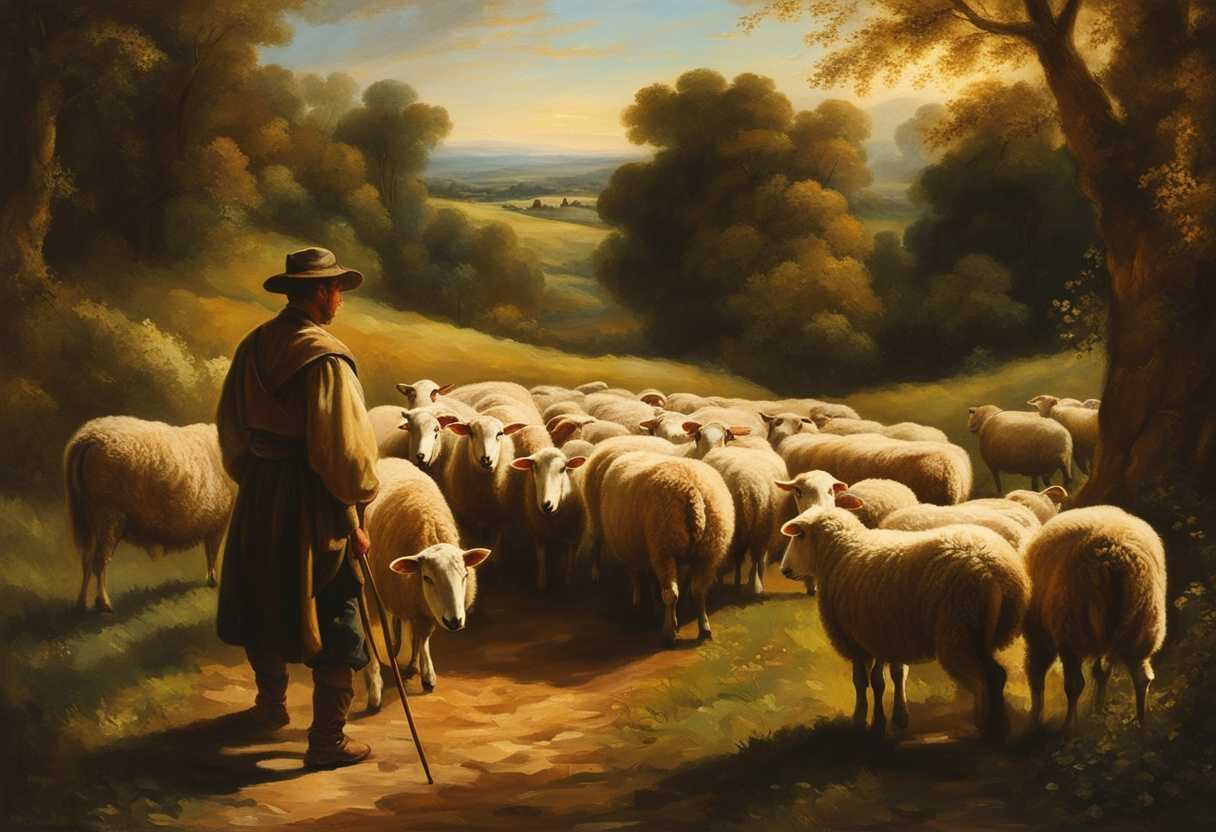
“Feed My Sheep” signifies a call to pastoral responsibility and care for the spiritual well-being of others. This phrase, originating from Jesus’ conversation with Peter in John 21:15-17, emphasizes the importance of nurturing and guiding believers in their faith. Scripture 15 When they had finished breakfast, Jesus said to Simon Peter, “Simon, son of John,…
-
What the Bible Says About Calling No Man Father: Understanding the Meaning
The phrase “Call no man father” comes from Matthew 23:9, where Jesus instructs His followers to avoid using titles that elevate human authority over spiritual matters, emphasizing that God is the ultimate Father. This teaching encourages humility and recognition of God’s supremacy in spiritual guidance. Scripture 8 But you are not to be called rabbi,…
-

What the Bible Says About the Areopagite
The term “Areopagite” refers to a member of the Areopagus, the ancient council of Athens known for its judicial and legislative authority. In the Bible, particularly in Acts 17:34, it denotes those who were converted to Christianity, highlighting the spread of the gospel to influential urban leaders. Scripture 16 Now while Paul was waiting for…
-

What the Bible Says About the Lamb to the Slaughter: Understanding Its Meaning
The phrase “Lamb to the Slaughter” can be understood biblically as a symbol of innocence and helplessness, often associated with sacrificial offerings in the Old Testament, where an unblemished lamb was used to atone for sins (Exodus 12:5). This concept also foreshadows the sacrificial death of Jesus Christ, referred to as the “Lamb of God”…