
Author: Reverend Michael Johnson
-

What the Bible Says About Abhor: Understanding Its Definition and Context
In the Bible, “abhor” means to regard with extreme repugnance or to detest, often used in the context of hating evil or sin. For instance, in Romans 12:9, believers are instructed to “abhor what is evil; cling to what is good,” emphasizing the importance of rejecting sin and embracing righteousness. Scripture 16 There are six…
-

What the Bible Says About the Mediator: Definition and Significance
In the Bible, a mediator is one who intercedes on behalf of others, often facilitating communication and reconciliation between God and humanity. Jesus is described as the ultimate mediator, serving as the bridge for humanity’s relationship with God (1 Timothy 2:5). Scripture 5 For there is one God, and there is one mediator between God…
-
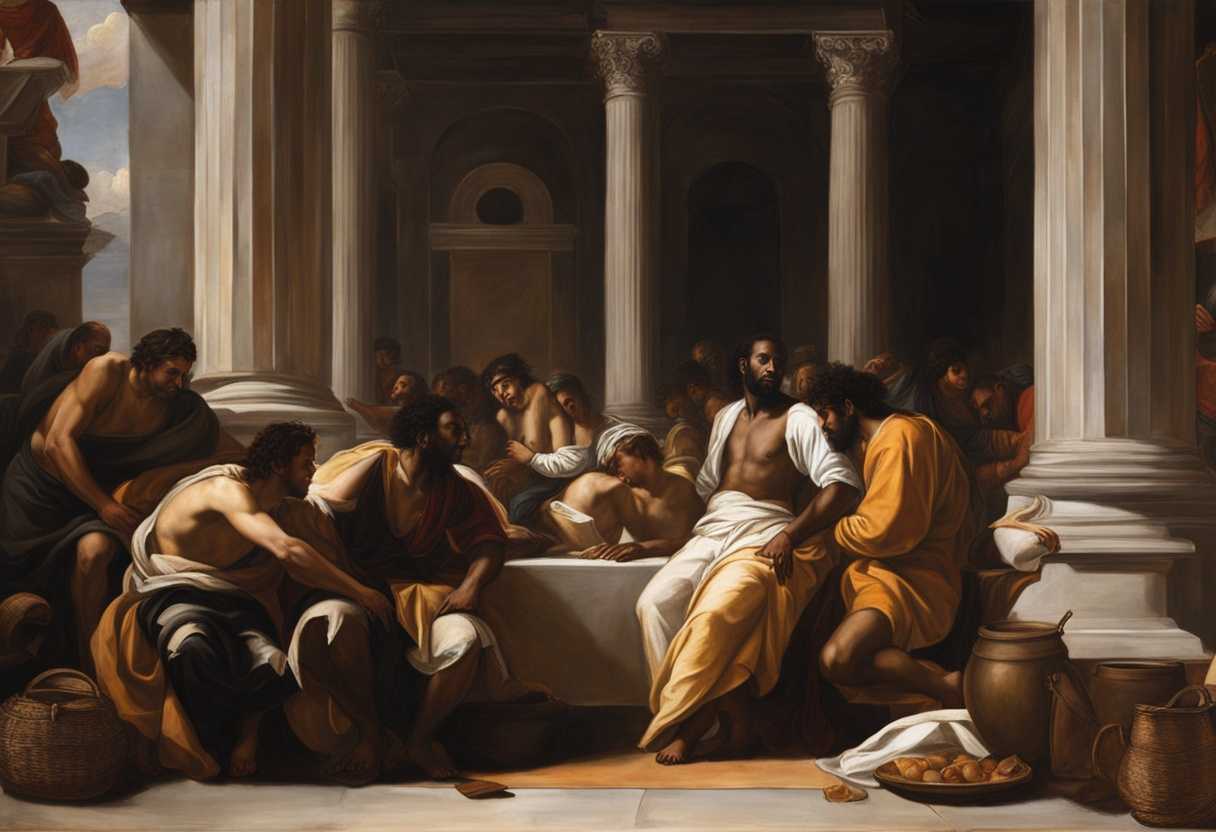
What the Bible Says About the Definition of a Slave
In the Bible, slavery is often defined as a state of being under the control of another person, where a slave serves their master and is subject to their authority. It is addressed in various contexts, particularly in the Old Testament laws and in the New Testament, with an emphasis on ethical treatment and the…
-

What the Bible Says About the Meaning of Poetic Books
The poetic books of the Bible, primarily Psalms, Proverbs, Ecclesiastes, Song of Solomon, and Lamentations, express deep human emotions, wisdom, and reflections on life, suffering, and relationships with God. They utilize literary techniques such as parallelism, metaphor, and imagery to convey spiritual truths and artistic beauty. Scripture 1 There was a man in the land…
-

What the Bible Says About Hypocrisy: A Definition and Reflection
In the Bible, hypocrisy is defined as the act of pretending to be virtuous or morally upright while secretly engaging in sinful behavior. It is often condemned, as seen in passages like Matthew 23:27-28, where Jesus criticizes the Pharisees for appearing righteous outwardly while being full of hypocrisy and lawlessness inwardly. Scripture 1 Then Jesus…
-

What the Bible Says About the Hebrew Meaning of Feathers
In the Hebrew Bible, feathers often symbolize protection and divine care, as seen in Psalm 91:4, where God is described as covering His people with His feathers, implying safety and refuge. Additionally, feathers can represent purity and the lightness of the spirit, reflecting the holiness of God’s creation. Scripture 1 He who dwells in the…
-

What the Bible Says About the Persecuted
In the Bible, “persecuted” refers to suffering, oppression, or affliction faced by individuals or groups, particularly for their faith or adherence to God’s principles. This term is often associated with the teachings of Jesus, who blessed those who are persecuted for righteousness in the Sermon on the Mount (Matthew 5:10-12), highlighting the spiritual rewards for…
-

What the Bible Says About the Meaning of an Extortioner
In the Bible, an extortioner refers to a person who obtains money or favors through coercion, deceit, or unethical means. This term is often associated with unjust practices and is condemned in scriptural teachings, as seen in passages like 1 Corinthians 6:10, which states that extortioners will not inherit the kingdom of God. Scripture 25…
-

What the Bible Says About Variance: Understanding Its Meaning and Context
In the Bible, “variance” refers to a state of discord or disagreement, often seen in relation to fervent conflicts within communities or families. It is associated with the works of the flesh mentioned in Galatians 5:20, where it signifies divisions and strife among people. Scripture 16 There are six things that the Lord hates, seven…
-

What the Bible Says About the Definition of a Martyr
In the Bible, a martyr is defined as a person who suffers death or persecution for their faith and adherence to God’s teachings, most prominently exemplified by Jesus Christ and early Christians, as seen in Acts 7 with Stephen’s stoning. The term conveys a deeper commitment, often reflecting the believer’s unwavering loyalty to God even…